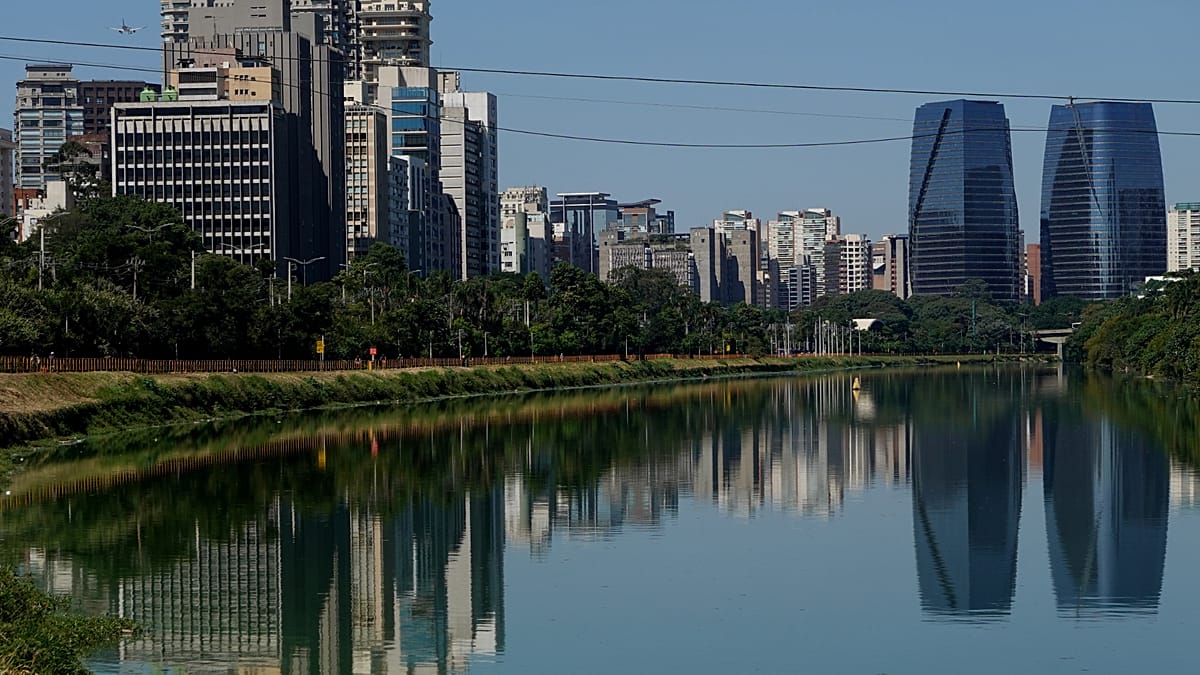
In a three-storey building in São Paulo, a metropolis of roughly 12 million people, chef Ivan Ralston and gastronomic researcher Katherina Cordas run Tuju, a restaurant where the menu is dictated not by tradition but by the sky. Their concept is built on seasonality, tied closely to rainfall and the natural rhythms of the climate. But those rhythms are becoming less predictable, and the kitchen has learned to improvise.
"Here in São Paulo, there are times of year when, day after day, the weather brings us certain ingredients; there are transitional seasons, like the one we are in now; and then suddenly we have a time of year in São Paulo when 60 days go by without rain. Each of these patterns offers different products and possibilities," Ralston told AFP.
The result is a culinary approach that treats cooking as an art form, blending precision with adaptability. The tasting menus change with the weather, and the team stays alert to shifts that might extend a season or cut it short. "By now, São Paulo should already be dry. Normally, July and August are dry months, but it still hasn't dried out. We've had occasional rain. This is linked to Super El Niño, which has given us a much longer mushroom season; it has lasted almost twice as long. So you always have to stay alert and adapt. In the end, it's not a fixed situation that will stay the same forever," the chef added.
Four menus, no fixed dates
Tuju offers four tasting menus over the course of a year: "Humidity", "Rain", "Wind", and "Drought". These are not tied to calendar dates but to actual climatic conditions. For a 12-course tasting, the menu changes every three months, ensuring each ingredient is showcased at its peak in terms of flavour, texture, provenance, and environmental responsibility.
This flexible approach is increasingly relevant as climate change makes weather patterns more erratic. São Paulo has experienced prolonged dry spells and unexpected rains, forcing chefs to rethink supply chains and menu planning. The restaurant's model offers a template for fine dining in an era of climate volatility, a topic that resonates far beyond Brazil. In Europe, similar discussions are underway, from drying Alpine gorges to the spread of climate briefings that are moving experts to tears.
In April, Tuju earned its third Michelin star, alongside another São Paulo venue, Evvai, making them the first restaurants in Latin America to receive this distinction. The Michelin Guide describes Tuju as "a truly unique experience", noting that the chef "draws on his experience to combine Brazilian seasonal products and flavours, particularly from São Paulo, with the most contemporary techniques".
Each season, with its distinctive climatic characteristics of humidity, rain, wind, and drought, shapes an entirely new tasting menu. The guide highlights how the restaurant's concept is deeply rooted in the local environment, a philosophy that could inspire chefs across the globe, including those in Europe's own winery restaurants.
This gastronomic experience, however, is not accessible to everyone. Reservations must be made months in advance, and the price is steep: menus cost up to 1,650 reais, around 277 euros. "It's a restaurant for celebrating. It's not the sort of place you come to every day just to eat and go home; it's for a special occasion," says co-owner Katherina Cordas.
Tuju's success highlights a broader trend: chefs are becoming climate adapters, not just cooks. As weather patterns shift, the ability to pivot quickly and creatively is becoming a core culinary skill. For European diners and restaurateurs, Tuju offers a case study in resilience and innovation, proving that even the most volatile conditions can be turned into a memorable meal.