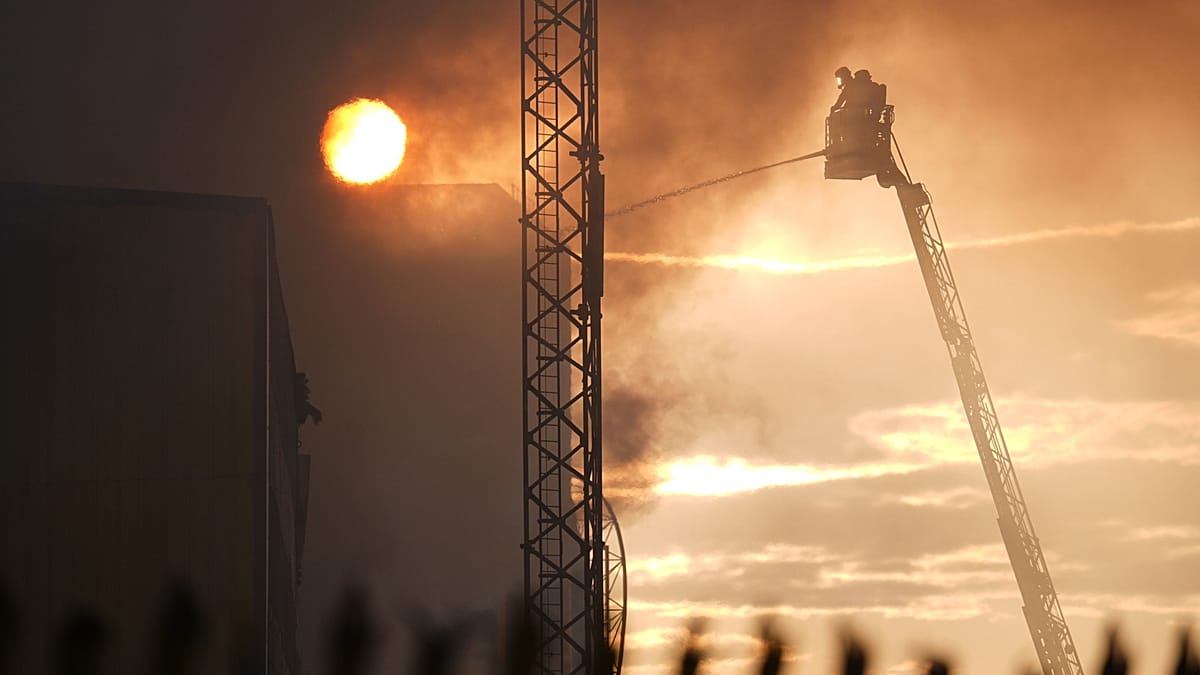
A significant fire broke out on [date] at a recycling centre in Deptford, a district in southeast London, prompting a large-scale emergency response. The London Fire Brigade (LFB) dispatched around 100 firefighters and 15 fire engines to the scene, where thick plumes of smoke could be seen rising over the area.
The blaze, which was reported in the early afternoon, affected a large pile of waste at the facility. Crews worked to contain the fire and prevent it from spreading to nearby buildings and residential areas. The LFB said the fire was under control by the evening, but firefighters remained on site to damp down hotspots.
Response and safety measures
Residents in the vicinity were advised to keep windows and doors closed as a precaution due to the smoke. The LFB urged people to avoid the area to allow emergency vehicles access. A cordon was set up around the site, and local roads were temporarily closed.
No injuries have been reported, and the cause of the fire is under investigation. The LFB has not yet confirmed whether the blaze was accidental or deliberate, but such incidents at recycling centres are often linked to improper disposal of hazardous materials, such as batteries or chemicals.
This incident comes amid a broader context of fire risks at waste facilities across Europe. In recent years, several countries have seen major fires at recycling plants, raising concerns about safety standards and the environmental impact of such events. The smoke from burning waste can release toxic pollutants, affecting air quality in surrounding areas.
In London, air quality monitoring has become a growing priority. The city has been deploying pocket sensors to provide real-time air quality data to residents, a tool that could help locals assess the impact of incidents like this fire.
While the Deptford fire was significant, it is not on the scale of some recent European blazes. For instance, Belgium's largest wildfire on record earlier this summer highlighted the growing threat of fires across the continent, exacerbated by climate change and dry conditions.
The LFB has reminded the public to dispose of batteries and other potentially flammable items responsibly. Recycling centres are particularly vulnerable to fires caused by lithium-ion batteries, which can ignite when damaged or improperly discarded.
Local authorities are expected to conduct a full investigation into the Deptford fire. Meanwhile, the community has expressed relief that no one was hurt, but concerns remain about the environmental and health implications of the smoke.
As Europe grapples with the dual challenges of waste management and climate resilience, incidents like this underscore the need for stricter regulations and better fire prevention measures at recycling facilities across the continent.