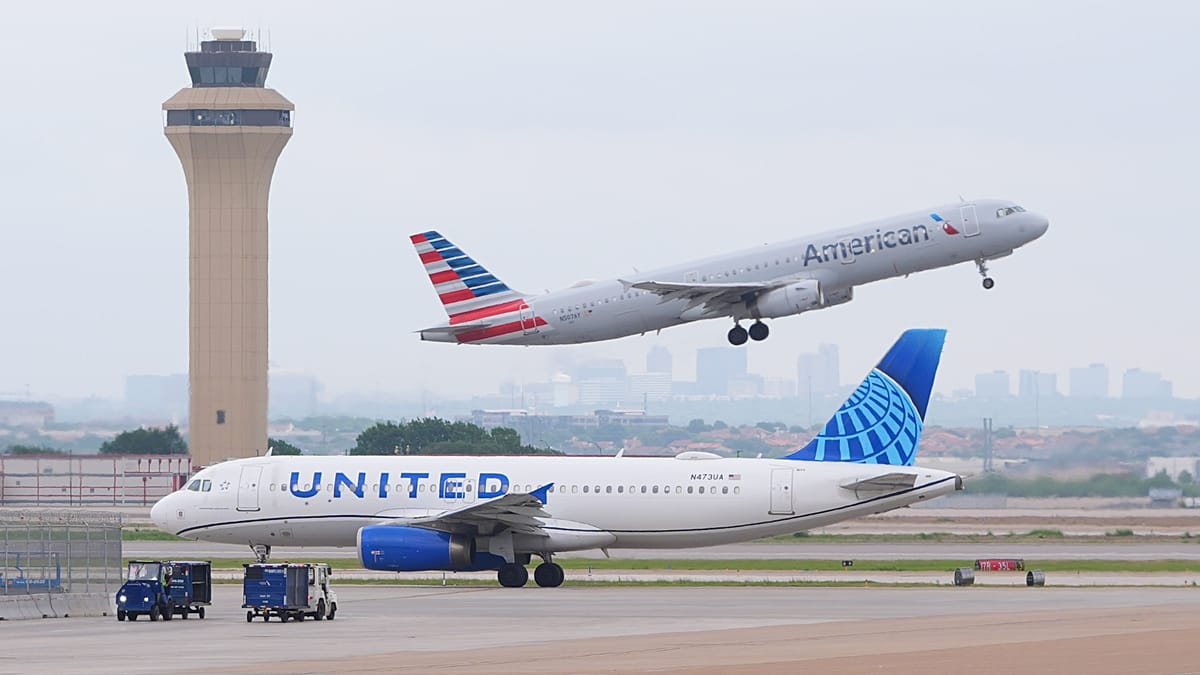
On Thursday, an American Airlines flight from Miami touched down at Simón Bolívar International Airport in Caracas, re-establishing the first direct commercial air link between the United States and Venezuela in nearly seven years. The route had been suspended in 2019 amid escalating political tensions and security concerns, forcing travelers to rely on indirect connections via third countries such as Panama, Colombia, or the Dominican Republic.
The three-hour flight carried a mix of passengers, including many Venezuelan nationals living in the United States who had long awaited a simpler way to return home. Upon landing, the aircraft commander displayed a Venezuelan flag from the cockpit window, while passengers descended the stairs holding small banners of the South American nation. The plane itself was decorated in red, white, and blue to commemorate the 250th anniversary of the signing of the US Declaration of Independence.
Diplomatic and Economic Implications
On the tarmac, the flight was greeted by Venezuelan Transport Minister Jacqueline Faria, Deputy Foreign Minister Oliver Blanco, and US Chargé d'Affaires John Barrett, among other officials. The presence of a White House delegation and US business representatives on board signals a potential thaw in bilateral relations. The delegation is expected to pursue agreements in energy, oil, and gas sectors—areas where Venezuela holds significant reserves and where US companies have historically been active.
This development comes amid a broader context of shifting geopolitical alignments. The US and Venezuela have had fraught relations since the late Hugo Chávez era, with sanctions and diplomatic expulsions becoming common. The resumption of direct flights does not necessarily indicate a full normalization of ties, but it does represent a practical step toward easing travel for the diaspora and opening channels for economic dialogue.
For European observers, the re-establishment of this route is noteworthy for several reasons. European airlines and travel operators have long used indirect connections to serve the Venezuelan market, and a direct US-Venezuela link could shift passenger flows. Moreover, the energy dimension resonates with Europe's ongoing efforts to diversify oil and gas supplies, particularly after the Russian invasion of Ukraine. While Venezuela's oil production has declined sharply in recent years, any increase in US engagement could have ripple effects on global energy markets.
The flight also highlights the broader trend of air travel recovery in the Americas. As European airlines face rising jet fuel costs, carriers in the Americas are cautiously expanding routes. The US-Venezuela link is a reminder that air connectivity often mirrors political and economic relationships.
For the Venezuelan diaspora—estimated at over 7 million people, with a significant portion in the United States—the direct flight offers more than convenience. It provides a tangible connection to family and culture that had been severed by years of crisis. Many passengers expressed relief at avoiding multi-leg journeys that could take over 24 hours.
The resumption of this route also comes at a time when other international travel norms are being reexamined. For instance, Turkey has tightened power bank rules on flights, reflecting heightened safety concerns. Meanwhile, the US Navy's USS Gerald R. Ford recently ended a record deployment that included missions near Venezuela, underscoring the strategic importance of the region.
While the direct flight is a positive step, challenges remain. US sanctions on Venezuela are still in place, and political negotiations between the government of Nicolás Maduro and the opposition have stalled. The Biden administration has signaled a willingness to engage on specific issues, but full diplomatic normalization is not imminent.
For now, the Miami-Caracas route stands as a symbol of cautious re-engagement. Whether it leads to broader economic cooperation or remains an isolated gesture will depend on the outcomes of the discussions now underway in Caracas.