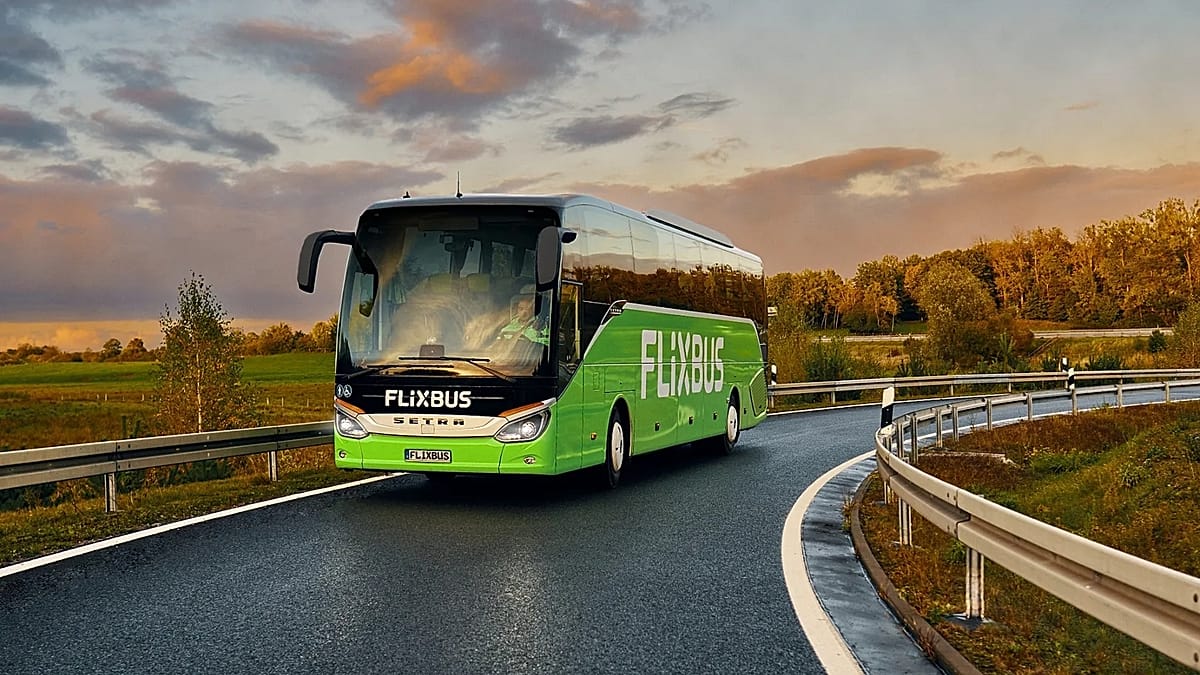
Three years after Poland's notorious 666 bus route to the Hel Peninsula was renumbered following protests from religious groups, the number is making a comeback. FlixBus, the German-based long-distance coach operator, announced it will launch a new 666 service from Kraków to Hel, running via Warsaw and several popular Baltic resorts, starting in the 2026 summer season.
The route originally operated by PKS Gdynia linked Dębki with Hel and gained notoriety for its playful coincidence: the town's name sounds like the English word 'hell', and 666 is widely recognised as the biblical 'number of the beast'. Tourists flocked to photograph the buses and share them on social media, dubbing it 'the bus to hell'. In 2023, following pressure from some religious groups and petitions, the number was changed to 669, a story that attracted international media attention.
FlixBus resurrects the number
FlixBus's decision to reinstate 666 is unapologetically deliberate. 'It's better when a route explains by itself where it's going. In this case, there's really nothing more to say. Everyone will understand,' said Michał Leman, managing director of FlixBus in Eastern Europe, at a press conference, as reported by Trójmiasto.pl. The company insists the move is not just marketing: passengers have been actively seeking direct connections to the Hel Peninsula from Poland's major cities for several seasons.
The new daily service will depart Kraków at 06:00, arrive in Warsaw around 10:30, and reach Hel before 20:00, a journey of approximately 13 hours. The operator says the carefully chosen timetable aims to avoid the worst traffic jams on the approaches to the Hel Peninsula, particularly during the summer holiday period when trains and roads to the Baltic coast operate at full capacity.
Hel itself is a town at the tip of the 35-kilometre-long Hel Peninsula, one of the most visited attractions on Poland's Baltic coast. Its name has nothing to do with the Anglo-Saxon hell; it derives from Old Germanic languages, where hel meant a dune or coastal hill. On medieval Danish maps, the peninsula was called Heel (heel), supposedly in reference to its shape.
The revival of the 666 route comes amid broader developments in Poland's transport and security landscape. Poland recently took delivery of its first F-35 jets to strengthen NATO's eastern flank, and the UK and Poland signed a major defence treaty as Prime Minister Starmer seeks closer EU ties. Meanwhile, a false claim that the EU-Mercosur deal was responsible for a rejected Brazilian coffee shipment in Poland has been debunked, highlighting ongoing trade sensitivities.
For now, the 666 bus to Hel is a lighter story, but one that underscores how a simple route number can capture public imagination across the continent. Whether passengers will embrace the 13-hour journey remains to be seen, but the marketing value is already evident.