As European summers grow hotter, with cities like Paris, Berlin, and Madrid recording record temperatures, there is much to learn from how other cultures have long adapted to extreme heat. From Japan's ingenious accessories to China's sun-protective fashion and the passive cooling techniques of the Americas and North Africa, these methods blend practicality with cultural tradition.
Japan's Neck-Cooling Innovations
In Japan, where summer humidity can be oppressive, the neck is the focal point of cooling. Cooling ties, embedded with small cold packs or gel inserts, are a common sight in Tokyo's business districts. Some versions feature towelling fabric on the neck side to absorb sweat. These are not mere gimmicks: cooling the neck, wrists, armpits, and groin is scientifically effective because large blood vessels run close to the skin there. Ice rings worn around the neck are also popular, reducing the sensation of heat throughout the body. A colour-coordinated, dampened towel draped casually is another staple of summer attire.
Traditional tenugui cloths—small, thin cotton towels—are discreetly moistened and worn under shirt collars, suits, or hats. This method, along with handheld fans and folding fans often worn as accessories, reflects a culture that prioritizes evaporative cooling and air movement. During the 1980s aerobics boom in Europe, headbands and wristbands were fashionable; in Japan, they remain everyday aids, regularly re-moistened to cool pulse points.
China's UV-Protective Masks and Cultural Habits
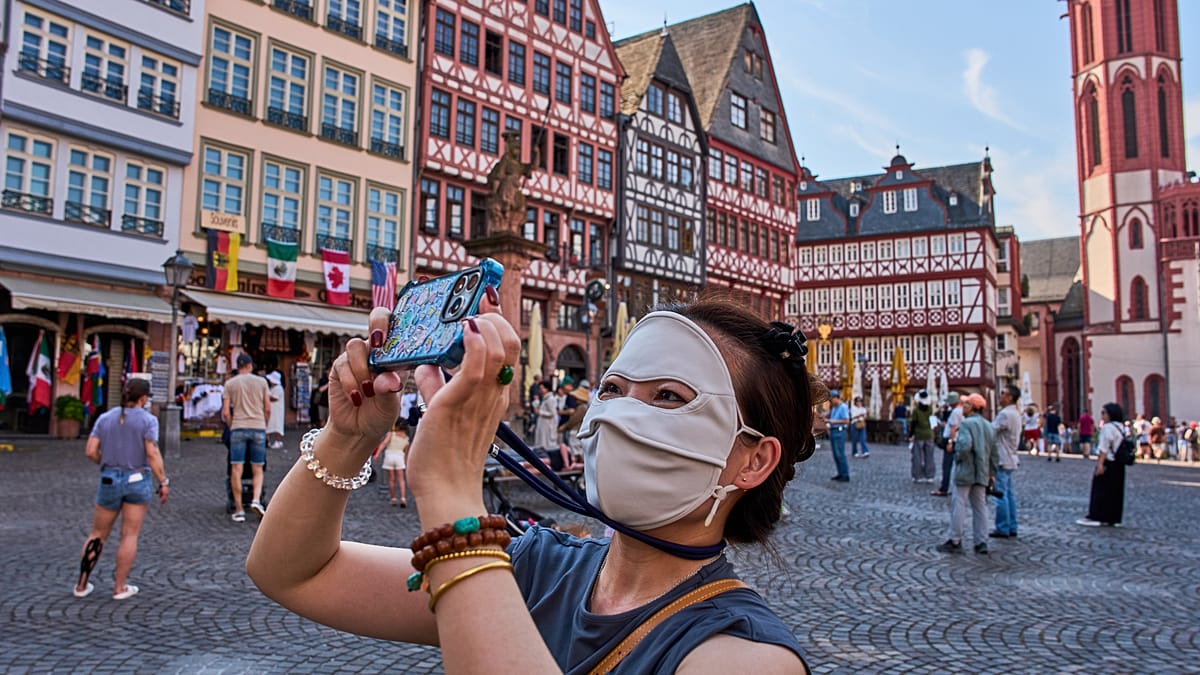
In China, sun protection has evolved into a fashion statement. The Facekini, a hood made of elastic fabric leaving only eyes, nose, and mouth exposed, originated in coastal regions like Qingdao (home of Tsingtao beer) for beachgoers protecting against UV radiation. Today, lightweight UV-protection masks made of breathable materials like “ice silk” with UPF 50+ ratings are worn daily, reflecting cultural values around skincare and beauty. Large hats from natural materials, often with a damp cloth underneath to prevent heatstroke, are also common.
Interestingly, many Chinese prefer warm or lukewarm drinks in hot weather, rooted in Traditional Chinese Medicine (TCM). The belief is that intense cold disrupts internal balance, forcing the body to expend extra energy on temperature regulation, while warm drinks support natural sweating and evaporative cooling.
Architectural Wisdom from the Americas and Egypt
Beyond accessories, traditional building techniques offer passive cooling. Navajo and Pueblo structures in the southwestern United States use clay and stone with small windows and overhanging roofs for shade. Unlike modern German homes designed for insulation, Pueblo buildings use high thermal mass to keep indoor temperatures stable—cool in summer, warm in winter. In Mexico, thick adobe walls and internal courtyards create natural cool spots, while the siesta remains a practical midday rest.
In Egypt, traditional windcatchers (malqaf) channel cooler air into homes, and courtyards with water features reduce microclimates through evaporative cooling. Hanging damp cloths in windows is a simple yet effective technique that Europeans might consider as heatwaves intensify. For more on how rising temperatures affect health, see our report on Rising Sea Temperatures Drive Flesh-Eating Bacteria Outbreaks Across Europe and Beyond.
These methods, grounded in physiology and local knowledge, offer Europe a repertoire of low-tech, culturally adaptable solutions. As the continent grapples with more frequent heatwaves, integrating such practices could complement modern air conditioning and urban planning. For insights on how heatwaves disproportionately affect vulnerable groups, read Heatwave Costs Hit Working Mothers, Farm Labourers, and Low-Income Households Hardest Across Europe. And for a European example of natural cooling, explore France's Troglodyte Village of Trôo Offers Natural Cooling as Heatwaves Intensify.