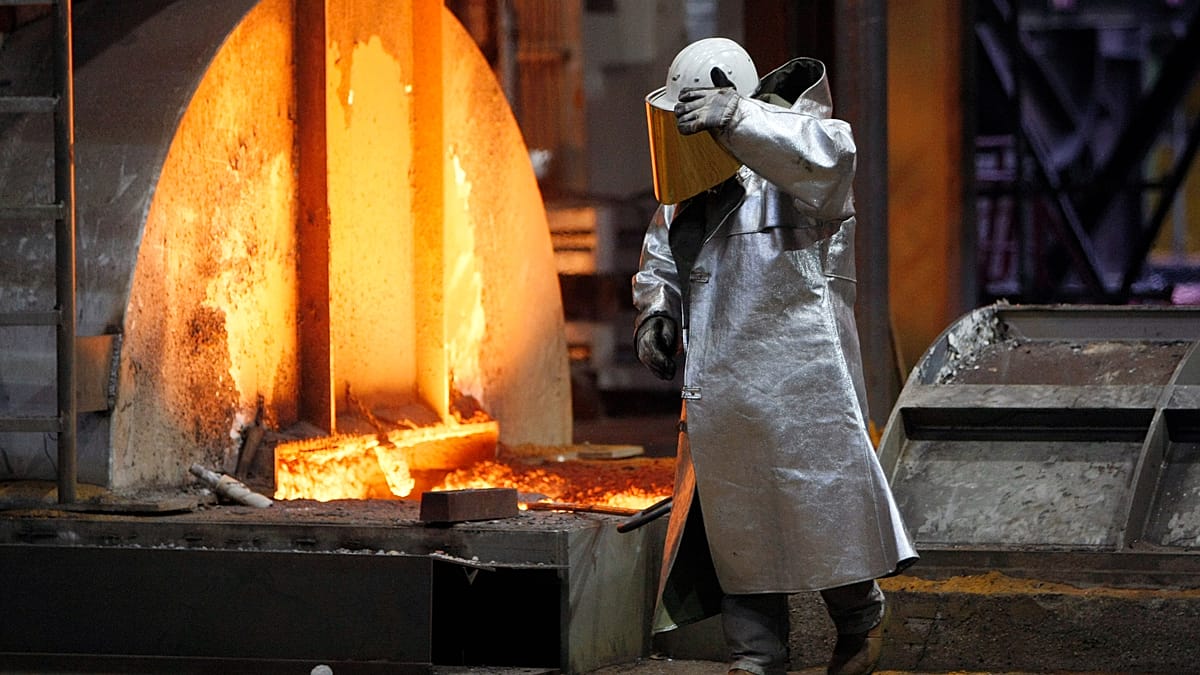
Official data released Tuesday by Destatis, Germany's federal statistics office, showed industrial output rising 0.4% in April compared to March, ending a five-month decline. The uptick was largely driven by a 2.4% jump in construction activity. Exports also surprised on the upside, climbing 0.9% month-on-month, though imports rose even faster, leaving the trade surplus virtually unchanged.
Yet the headline figure offers little comfort. Carsten Brzeski, Global Head of Macro at ING, described the April reading as "simply too little", noting that output has effectively stagnated over the first four months of 2026 and remains roughly 12% below pre-pandemic levels. The broader picture, he warned, is far grimmer than a single month's data suggests.
Orders collapse and energy costs mount
The production data came a day after a deeply discouraging orders report. New manufacturing orders fell 3.8% in April month-on-month, according to provisional Destatis figures. The automotive sector was among the worst hit, with orders dropping more than 5%, while electrical equipment and machinery also posted sharp declines. Foreign orders fell by over 4%, and domestic orders were down nearly 3%.
According to Brzeski, what had been a boom in industrial orders after last summer—with four consecutive months of over 4% monthly gains—has swung sharply into reverse in 2026. Orders have fallen more than 2% on average every single month through April. The momentum from domestic defence stockpiling and supply chain pre-ordering has, for now, evaporated.
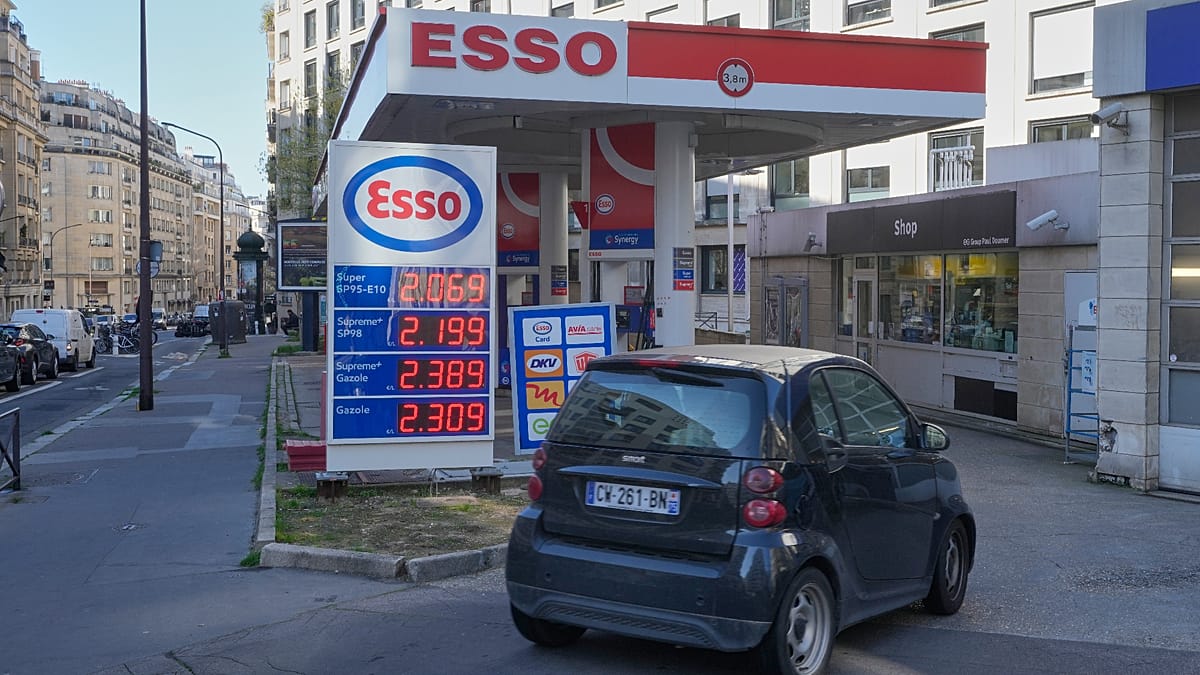
The backdrop is stark. Germany remains one of Europe's largest net importers of energy, with roughly 6% of its oil imports coming from Middle Eastern countries, according to ING analysis. Energy-intensive industries, employing close to one million people, account for around 17% of industrial gross value added. The ongoing conflict in the region—following Iran's missile attack on Israel—has sent energy prices spiralling. Germany's inflation rate climbed to 2.9% year-on-year in April, the highest since January 2024, driven by energy product prices that were over 10% higher than a year earlier.
In April, the German government halved its growth forecast for 2026, now projecting GDP expansion of just 0.5%. The Federal Ministry for Economic Affairs noted that, given the extent of the damage to production capacity and the backlog from energy and commodity supply bottlenecks, any normalisation is expected to take considerable time.
The broader European context is also challenging. While EU fossil fuel imports have dropped since the Iran war, Germany, along with Italy and Belgium, has bucked the trend, increasing its reliance on energy imports. This divergence underscores the uneven impact of the crisis across the continent.
For now, the modest uptick in April offers little more than a statistical blip. The structural headwinds—soaring energy costs, collapsing orders, and geopolitical uncertainty—remain formidable. Europe's largest economy is still searching for solid footing, and the road ahead looks long.