German authorities are investigating what they believe was a deliberate disruption at an electricity substation near Cologne, the latest in a series of incidents targeting the country's critical infrastructure.
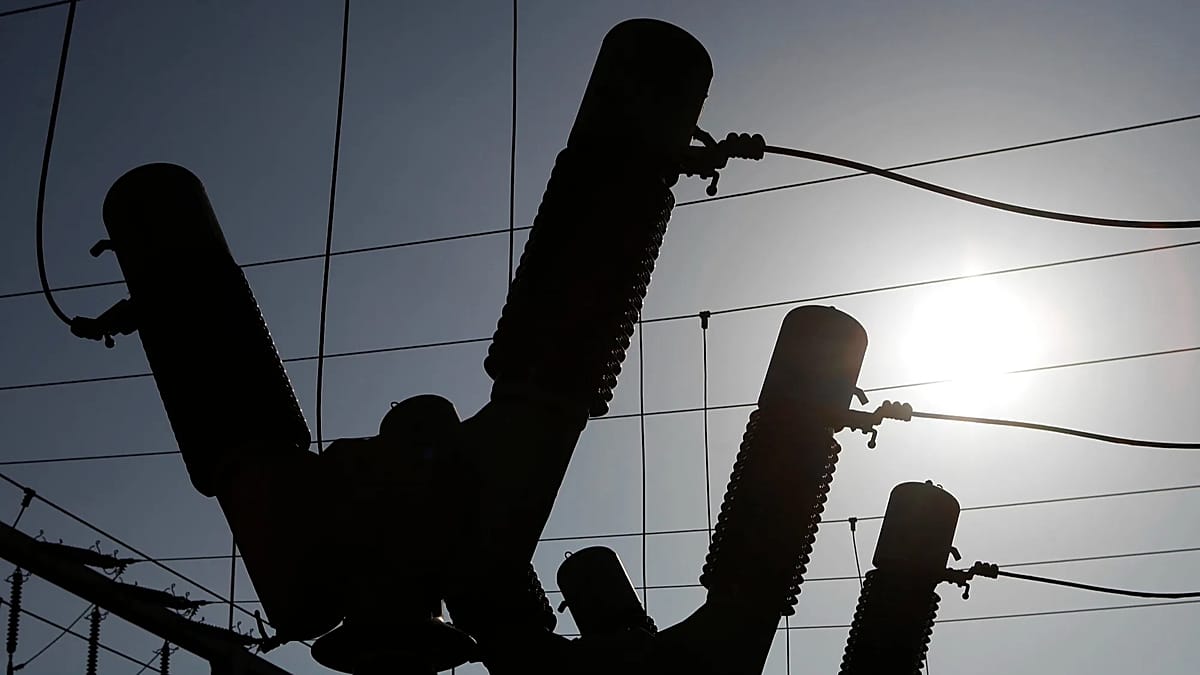
Police were called on Tuesday evening after a short-circuit knocked out several lines at a substation in Bergheim, in the western state of North Rhine-Westphalia. No power outages were reported, but investigators said they do not believe the fault was accidental.
"We are not assuming a technical failure but a deliberate act," a local police spokesperson said, describing the incident as a "disruption."
The probe comes just a day after several improvised explosive devices were found at a substation near a coal-fired power plant in the eastern state of Brandenburg, and multiple power lines were damaged, according to police and grid operator 50Hertz. The operator said there was a "brief interruption of service" at the Preilack substation, which distributes power from the nearby Jänschwalde power plant, but that all lines are now back in operation.
Heightened alert over hybrid threats
The incidents have intensified concerns about the security of Germany's energy infrastructure, which has been on high alert since the sabotage of the Nord Stream pipelines in 2022. Berlin has repeatedly accused Moscow of orchestrating a campaign of hybrid attacks, including espionage and sabotage, against NATO member states supporting Ukraine. The Kremlin has consistently denied these allegations.
On Tuesday, German Interior Minister Alexander Dobrindt publicly blamed Russia for an attempted drone attack at Leipzig airport last month. In a press conference, he said an assessment of the incident "fits the known pattern of Russian hybrid operations in Europe."
Germany's vulnerability to such attacks was underscored by a suspected rocket attack on a key substation in Brandenburg earlier this year, which caused a temporary power outage. The country has also been seeking alternative energy sources, including gas deals with Algeria, to reduce its dependence on Russian supplies and bolster its resilience.
The latest incidents have prompted calls for increased protection of critical infrastructure, with experts warning that such attacks could have cascading effects on the economy and public safety. The German government has pledged to strengthen security measures around power grids, communication networks, and transport hubs.
While the investigation into the Bergheim incident is ongoing, the pattern of recent events has heightened concerns among European allies, who see Germany as a key target in a broader campaign of destabilization. The European Union has been working on a framework to counter hybrid threats, but member states remain responsible for the physical security of their own infrastructure.
As Germany prepares for a potential escalation of such incidents, the authorities are urging the public to remain vigilant and report any suspicious activity near critical facilities. The coming weeks will likely reveal more about the scope and origin of these attacks, but for now, the focus remains on ensuring the reliability of the power supply and preventing further disruptions.