Greece's appeal among European travellers shows no signs of fading, with new data suggesting the country's tourism boom will extend well beyond the current summer peak and into 2027. The findings come from the first wave of a rolling market survey commissioned by the Greek National Tourism Organization (GNTO), which polled nearly 8,000 travellers across ten European countries.
The survey, which gathered responses from adults aged 18 to 64 in the United Kingdom, Austria, France, Germany, Italy, Spain, the Netherlands, Poland, Sweden, and Romania, found that 29% of Europeans intend to visit Greece by May 2027. That places Greece as the third most sought-after Mediterranean destination, trailing only Spain and Italy in traveller preference.
Notably, the pull is not limited to first-timers. More than half of those planning a trip—58%—have already visited the Hellenic Republic, while 42% are considering their first journey. This mix of loyalty and fresh interest suggests Greece has managed to retain its allure for repeat visitors while still attracting new audiences.
Interest varies significantly by market. Romanian travellers showed the highest intention to visit, with 45% planning a trip, followed by Italians at 38% and Swedes at 37%. The survey also points to a growing appetite for travel outside the traditional summer months: 35% of those planning a trip are considering visits between September and November 2026, with September emerging as the top choice month for 23% of respondents.
Off-season travel gains momentum
The shift toward off-season travel is a key takeaway for the GNTO, which sees an opportunity to smooth out seasonal peaks and support local economies year-round. Andreas Fiorentinos, the organization's secretary general, said the initial findings confirm that Greece maintains a strong position in European travel intentions, earning both the trust of those who have already visited and the interest of new audiences. He added that the data will help the GNTO tailor its promotional strategies to the dynamics of individual markets.
Beyond raw numbers, the survey delved into what travellers value most about Greece. Variety of experiences topped the list, cited by 83% of respondents, followed closely by the friendliness and hospitality of locals at 82%. Safety was mentioned by 77%, tourist infrastructure by 75%, and the quality-to-price ratio by 67%. These attributes, the GNTO argues, give Greece a competitive edge in a crowded Mediterranean market.
The positive outlook is echoed in broader European tourism data. The European Travel Commission's recent trends and prospects quarterly report found that Greece led in visitor arrivals in the first months of 2026, recording a 38.3% increase compared to the same period last year. That growth outpaced Italy, which saw a 21.1% rise, and Malta, which grew by 16%.
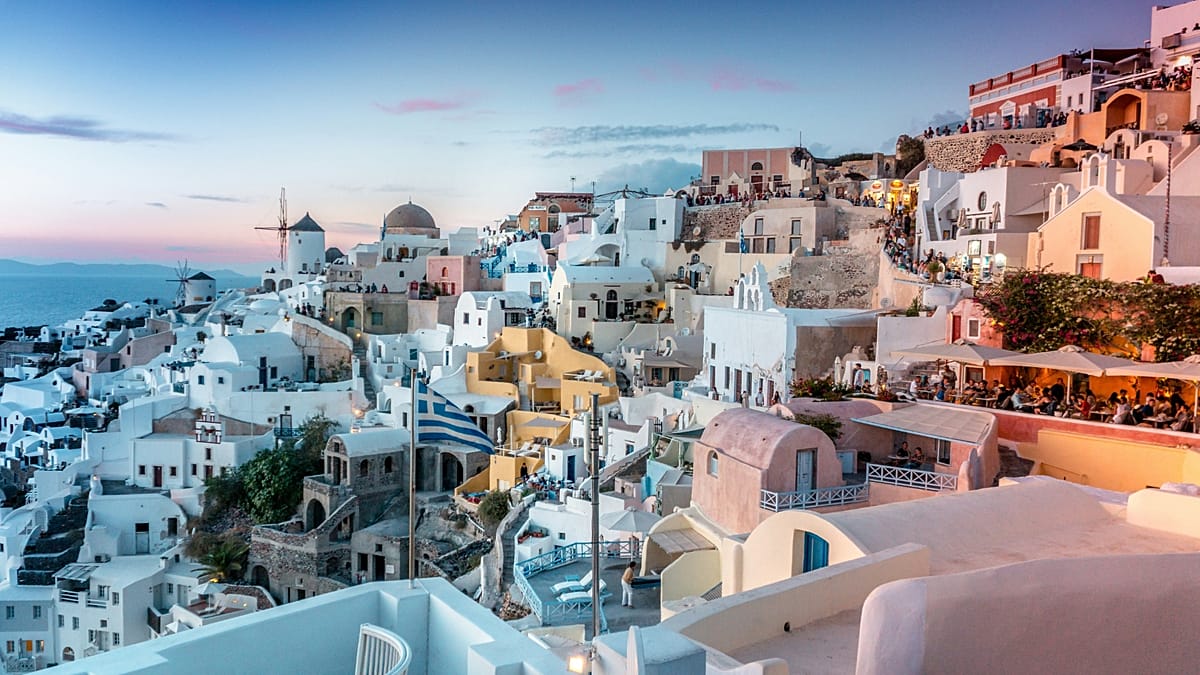
Greece's ability to attract repeat visitors is particularly notable given the challenges the region has faced, including wildfire evacuations in Halkidiki and other climate-related disruptions. Yet the country's cultural and natural offerings continue to draw travellers, from ancient sites to island getaways. For those planning a visit, the August 15th celebrations offer a unique glimpse into local traditions, while the free entry to ancient sites during the full moon remains a popular draw.
As Europe's travel landscape evolves, with trends like coolcation travel gaining traction in northern destinations, Greece is positioning itself as a year-round destination rather than a summer-only escape. The GNTO's survey suggests that the country's blend of experiences, hospitality, and safety is resonating with a broad European audience, and the momentum appears set to continue.