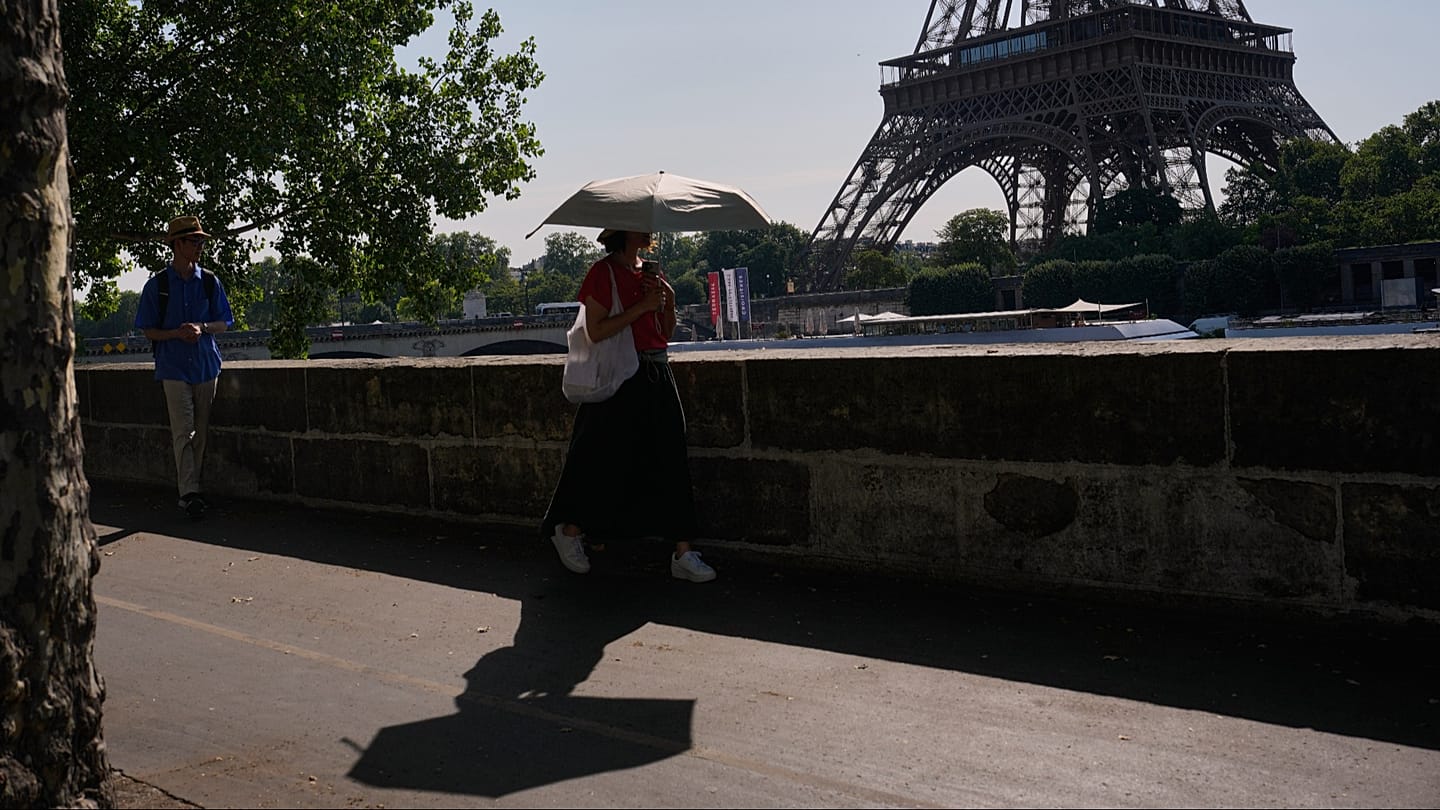
As a severe heatwave sweeps across Europe, iconic tourist attractions are being forced to adapt, with the Eiffel Tower in Paris closing early and the Louvre shortening its hours. The extreme temperatures, which have pushed thermometers above 40°C in parts of France, are disrupting travel plans and raising concerns about public health and infrastructure resilience.
In Paris, the Eiffel Tower shut its doors to visitors at 2 p.m. on Tuesday, a rare move for the monument that typically stays open until midnight. The Louvre, another major draw, also reduced its opening hours, while the Changing of the Guard ceremony at Buckingham Palace in London was cancelled due to the heat. These disruptions are not isolated incidents; across the continent, from Brussels to Vienna, cultural landmarks and outdoor events are being scaled back or postponed.
Health and Safety Concerns Mount
The heatwave has prompted health alerts in several countries. Belgium issued a health warning as temperatures soared, and France placed 54 departments on red alert, with reports of 20 drownings as people sought relief in rivers and lakes. The World Health Organization has urged European leaders to act, warning that heat-related deaths are rising. In a related development, WHO Chief Urges European Leaders to Act Now as Heatwave Deaths Mount, emphasizing the need for coordinated action.
France has been particularly hard hit, with power cuts in Finistère and wildfire alerts across the south. The situation has been exacerbated by the fact that many buildings in European cities are not designed for such extreme heat, lacking air conditioning or adequate insulation. This has led to a surge in demand for cooling, straining energy grids and raising costs for businesses and households.
Economic and Cultural Impact
The disruption to tourism is significant. The Eiffel Tower alone attracts millions of visitors annually, and early closures mean lost revenue for the city and its businesses. Similarly, the Louvre's reduced hours affect not only ticket sales but also nearby restaurants and shops. The cancellation of the Changing of the Guard, a quintessential London experience, disappoints tourists and impacts local vendors.
Beyond the immediate economic hit, the heatwave is forcing a rethink of how cultural institutions operate. Many are now considering permanent changes, such as installing cooling systems or shifting peak hours to cooler times of day. In Paris, the 'Ciné-clim' initiative offers cool refuge during heatwaves, providing air-conditioned cinema screenings for residents and visitors alike. This kind of adaptation is becoming essential as heatwaves become more frequent and intense due to climate change.
Climate Change as the Underlying Driver
Scientists are clear that this heatwave is not a natural anomaly but a direct consequence of climate change. As Europe's Heatwave Is Not El Niño's Fault: Climate Change Is the Driver, the continent is warming faster than the global average, making extreme weather events more common. This has implications for everything from agriculture to public health, and requires a coordinated European response.
In Brussels, residents have been seeking relief in fountains, a stark reminder of the city's lack of green spaces and cooling infrastructure. The European Union has proposed tax overhauls to reduce business costs, but critics argue that more urgent investment in climate adaptation is needed. Meanwhile, in Vienna, a new mural on an office tower for Eurovision highlights the city's cultural vibrancy, but also serves as a backdrop to the heatwave's impact on daily life.
Looking Ahead
As the heatwave continues, authorities are urging caution. Tourists are advised to stay hydrated, avoid peak sun hours, and check attraction schedules before visiting. For the long term, European cities must invest in green roofs, urban forests, and reflective materials to mitigate the urban heat island effect. The current crisis is a wake-up call for the continent to build resilience against a warming world.
For those seeking escape, Europe's Finest Hotel Pools: Where to Cool Off During the Heatwave offers a list of luxury options, but the broader challenge remains: how to adapt Europe's cultural and economic hubs to a future of extreme heat. The answer will require not just individual actions, but systemic changes across policy, infrastructure, and public awareness.