Reykjavík — Icelanders have narrowly rejected a proposal to resume European Union accession talks, a result that keeps the island nation outside the bloc for the foreseeable future. The referendum, held on Saturday, saw a razor-thin margin, with the no camp edging ahead by just over two percentage points, according to the final count.
The outcome marks a decisive moment in Iceland's long and ambivalent relationship with the EU. The country first applied for membership in 2009, in the wake of the financial crisis that devastated its banking sector, but talks were frozen in 2013 and formally dropped in 2015. This vote was seen as a test of whether the political mood had shifted enough to revive the process.
A divided island
The result exposed a clear geographical and generational split. In the capital region, including Reykjavík and its suburbs, a majority voted in favour of reopening talks, reflecting a more cosmopolitan and EU-friendly outlook. But in the rural north and east, where fishing and agriculture dominate, the no vote was overwhelming. Many voters there fear that EU membership would threaten Iceland's control over its fisheries — a key pillar of the economy — and impose unwanted regulations on farming.
"This is a clear message from the people that we should not rush into a process that could change our way of life," said Gunnar Bragi Sveinsson, a former foreign minister and a leading no campaigner. "We have a good relationship with Europe already, through the EEA and Schengen. We don't need to be in the room to have a seat at the table."
Supporters of the yes campaign, however, argued that the referendum was a missed opportunity. "The EU is our largest trading partner, and we share its values," said Katrín Oddsdóttir, a lawyer and pro-EU activist. "This result means we will remain on the sidelines while decisions that affect us are made in Brussels."
What happens next
The referendum is not legally binding, but Prime Minister Bjarni Benediktsson has said the government will respect the outcome. In a statement, he called for unity and said the focus should now shift to strengthening Iceland's existing ties with the EU through the European Economic Area and the Schengen Agreement.
For Brussels, the result is a quiet relief. EU officials had been cautious about reopening accession talks with Iceland, wary of the complex fisheries negotiations and the precedent it might set for other reluctant member states. The lessons from this vote are likely to be studied in other European capitals, where EU scepticism remains a potent force.
The narrow margin also suggests that the issue is far from settled. Polls had shown the race too close to call in the weeks leading up to the vote, and the final result — with turnout above 80% — underscores how deeply the question divides the nation. Some analysts believe a future government could revisit the issue, especially if the economic or security landscape shifts.
Iceland's relationship with the EU has always been pragmatic rather than emotional. As a member of the EEA, it already enjoys access to the single market, and its citizens can live and work freely in the bloc. What it lacks is a seat in the European Parliament and a vote in the Council. For many Icelanders, that trade-off is acceptable.
The referendum also drew attention beyond Iceland's shores. In neighbouring countries with their own EU debates, such as Norway and Switzerland, the result was watched closely. What the vote means for Reykjavík and Brussels will be analysed in the coming days, but for now, the status quo prevails.
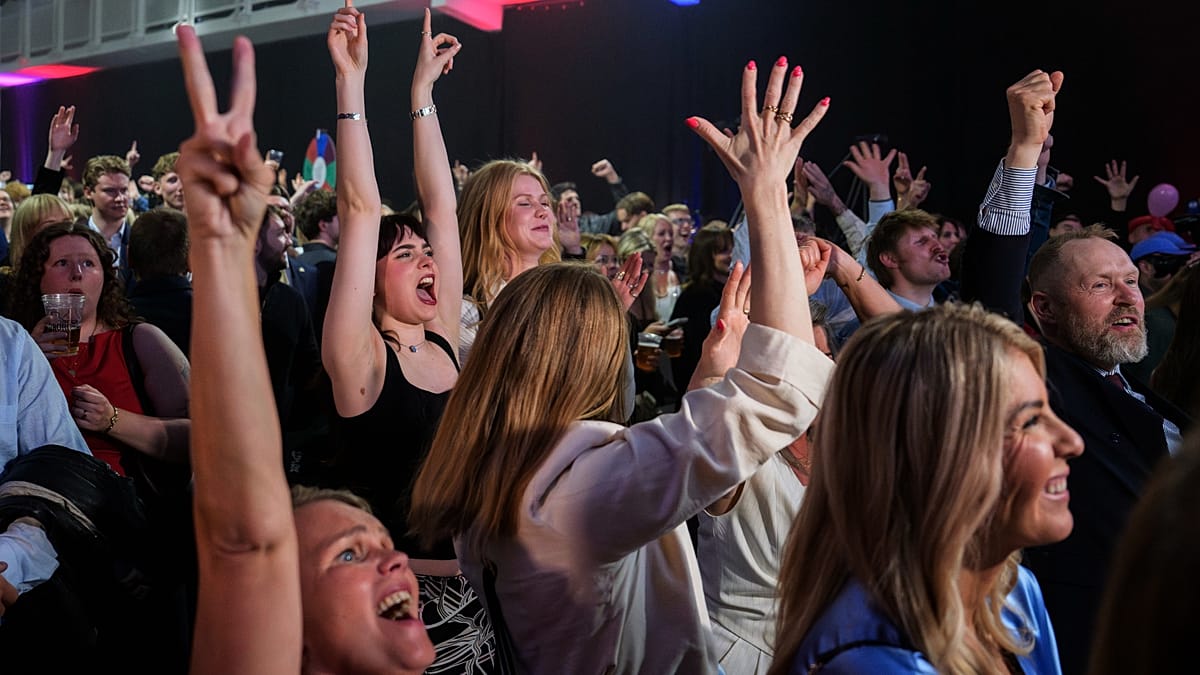
As the counting concluded, supporters of both camps gathered in Reykjavík's central square, the atmosphere tense but peaceful. The no camp celebrated with Icelandic flags, while yes supporters held EU banners. The outcome, though narrow, was accepted by both sides without major incident.
For now, Iceland remains outside the EU, a position it has held since independence from Denmark in 1944. The referendum has not changed that, but it has reignited a debate that is unlikely to disappear. As one political analyst put it, "The question is not whether Iceland will join the EU, but when it will ask again."