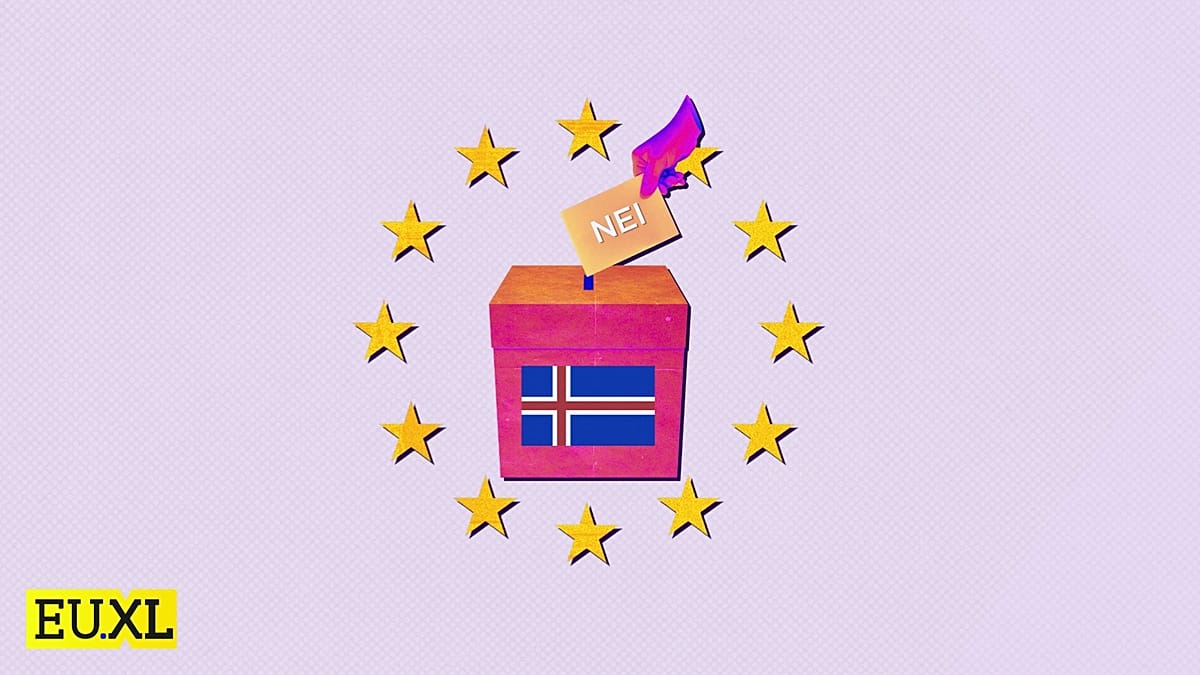
On 29 August, Icelanders delivered a clear verdict: they do not want to reopen EU membership talks. The referendum, though legally advisory, saw a majority vote against resuming negotiations that have been dormant since 2013. The government had framed the vote as a 'now or never' moment, but the outcome means the question is likely off the table for years.
The result is a setback for Brussels, which had hoped that the post-Ukraine security environment might persuade Icelanders to reconsider their position. Instead, the vote underscores the limits of the EU's enlargement appeal, even among countries with deep economic and political ties to the bloc.
What the No vote means for Iceland's relationship with the EU
Iceland is not a member of the EU, but it enjoys a privileged relationship through the European Economic Area (EEA). This gives the country full access to the single market and membership in the Schengen area, allowing free movement of people and goods. However, Iceland has no seat in the European Parliament and no vote in the Council of the EU, meaning it has little say in the rules it must adopt.
The referendum's outcome does not alter these arrangements. Iceland will continue to implement EU legislation as part of the EEA, but without the political representation that comes with full membership. For many Icelanders, this trade-off is acceptable: they retain sovereignty over key areas like fisheries and agriculture, while still enjoying the economic benefits of the single market.
Prime Minister Bjarni Benediktsson had argued that the time was ripe for a fresh look at membership, citing the changing security landscape in Europe. But the electorate was not convinced. The result reflects a deep-seated skepticism about EU membership, which has persisted since the 2008 financial crisis and the subsequent collapse of Iceland's banking system.
A blow to Brussels' enlargement strategy
The vote is a symbolic setback for the European Commission, which has sought to reinvigorate enlargement in the wake of Russia's invasion of Ukraine. Commission President Ursula von der Leyen has repeatedly stressed the strategic importance of bringing new members into the fold, and the EU has granted candidate status to Ukraine and Moldova. But Iceland's rejection suggests that even countries with close ties to the bloc are not automatically drawn to membership.
As the No vote complicates the EU's enlargement strategy, it also highlights the challenges of selling membership to skeptical publics. In Iceland, concerns about sovereignty, fisheries, and the Common Agricultural Policy have long outweighed the perceived benefits of joining. The referendum result is a reminder that enlargement cannot be taken for granted, even in a country that is already deeply integrated with the EU.
Some analysts argue that the EU's approach to Iceland has been flawed. The EU's flawed silence strategy may have allowed misconceptions to fester, while others point to the security-driven enlargement pitch as insufficient to sway voters. The EU's focus on geopolitical arguments may not resonate with Icelanders, who prioritize economic and cultural autonomy.
What happens next?
The government has pledged to respect the referendum's outcome, effectively closing the door on membership talks for the foreseeable future. The issue is unlikely to resurface until at least the next parliamentary election, and even then, the political will to push for membership appears weak.
For Brussels, the result is a reminder that enlargement is not a one-way street. The EU must offer compelling reasons for countries to join, and in Iceland's case, those reasons have not been sufficient. The bloc's financial commitments to Ukraine and its broader security agenda may be priorities, but they do not automatically translate into support for membership among European citizens.
Iceland's decision is also a signal to other non-members, such as Norway and Switzerland, that the EU's appeal is not universal. These countries have similar arrangements with the EU and have shown little appetite for full membership. The Icelandic vote reinforces the notion that the EU's 'soft power' has limits, particularly when it comes to countries that already enjoy the benefits of the single market without the political costs.
In the end, the referendum was a democratic exercise that reflected the will of the Icelandic people. It may disappoint those in Brussels who hoped for a different outcome, but it is a legitimate expression of national preference. For now, Iceland remains a close partner of the EU, but not a member—and that is exactly how most Icelanders want it.