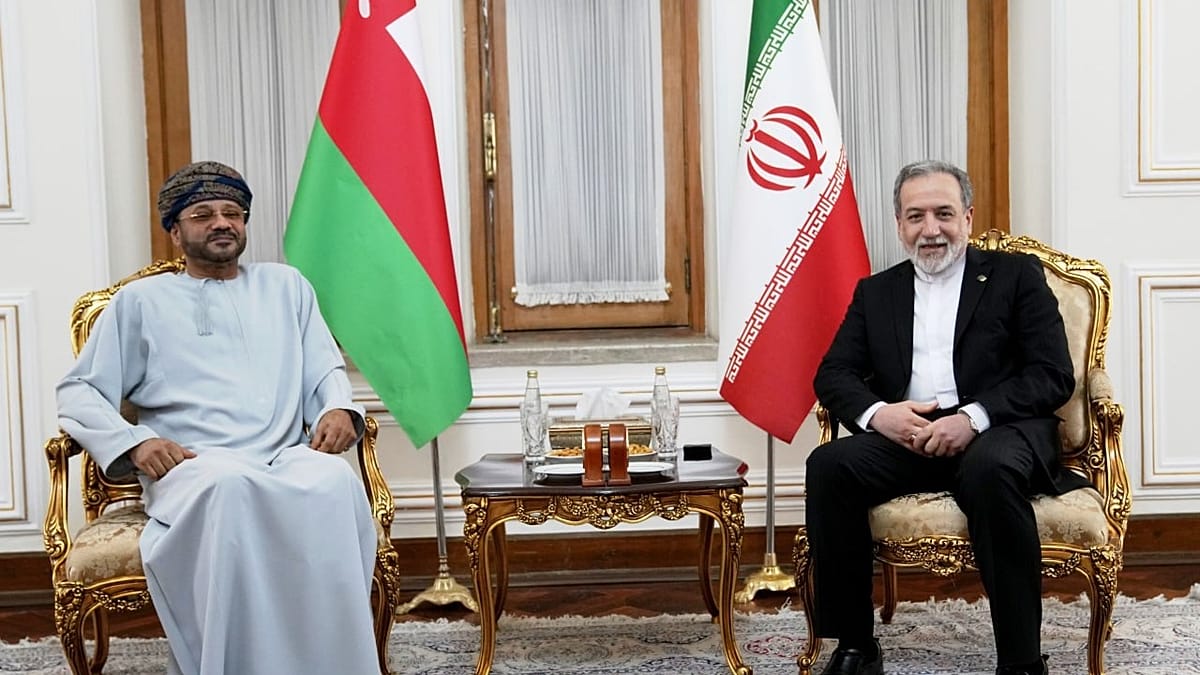
Tehran and Muscat are exploring a phased approach to reopen the Strait of Hormuz, a waterway that has been effectively closed since the outbreak of war in Iran in February. The foreign ministers of Iran and Oman met in Tehran on Tuesday to discuss a framework that could restore some order to one of the world's most critical maritime chokepoints.
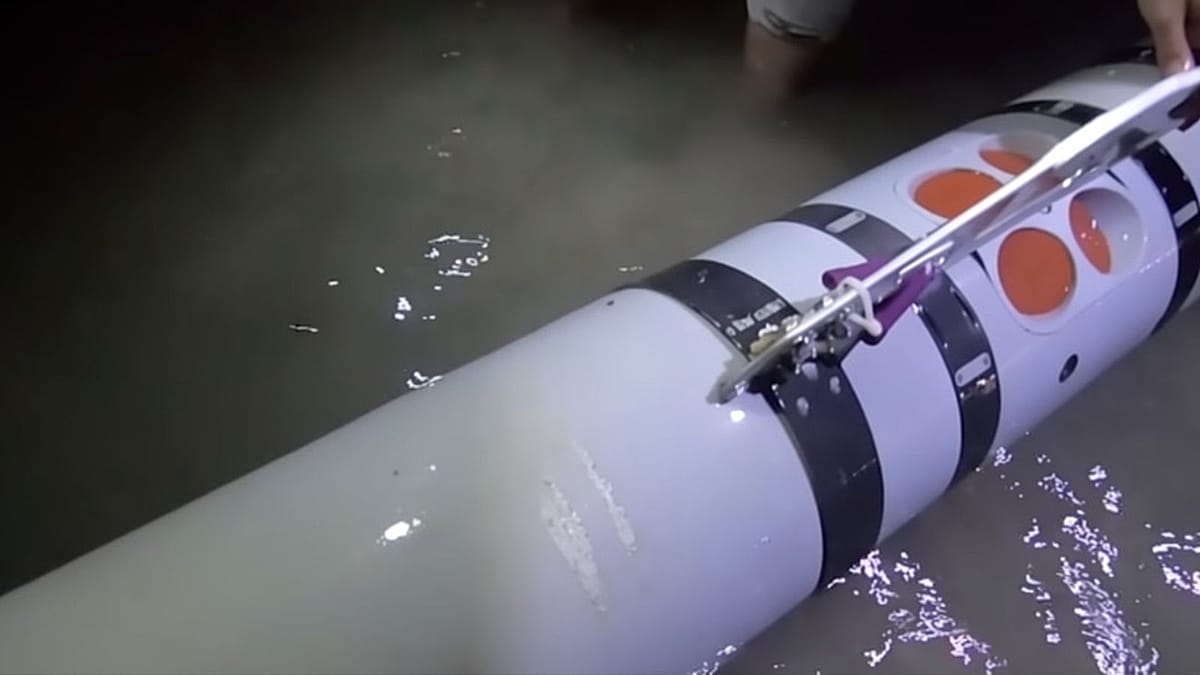
Omani Foreign Minister Badr Albusaidi and his Iranian counterpart Abbas Araghchi issued a joint statement describing their talks as covering a "phased framework that could provide a practical and implementable basis for moving forward." The proposed measures include a "joint temporary navigational corridor" through the strait and a joint mine-clearing project in the waterway.
Further negotiations are expected to establish a permanent navigational corridor, decide on the future administration of the strait, and set up mechanisms for information-sharing, traffic management, and the provision of navigational and security services. Albusaidi expressed optimism on social media, writing on X: "I am hopeful we will soon announce a temporary corridor for the Strait of Hormuz." He added that the two countries would work towards a permanent solution and an agreement on who will administer the strait.
Iranian Deputy Foreign Minister Kazem Gharibabadi told state television that the temporary route for vessels entering the Persian Gulf from the Gulf of Oman would pass entirely through Iranian waters, while the outbound route would traverse both Iranian and Omani waters. He indicated that further talks would take place over the next 30 to 60 days.
The diplomatic push comes just a week after US President Donald Trump threatened to strike Oman if it "gets in the way" of Washington's negotiations with Tehran over the strait. In an interview with Fox News on Monday, Trump said: "If Oman gets in the way, we'll bomb the s--- out of them." His remarks followed the expiry of a US-Iran memorandum of understanding in June. It remains unclear whether the White House will accept the deal brokered between Iran and Oman.
Regional diplomacy and European stakes
The talks in Tehran also involved a Pakistani delegation, which left the Iranian capital on Tuesday after discussions aimed at reviving negotiations to end the war in Iran, according to Pakistan's military. Iran's president and other senior officials met with the delegation.
For Europe, the reopening of the Strait of Hormuz carries significant economic and security implications. The waterway is a vital artery for global oil and gas shipments, and its closure has contributed to energy price volatility across the continent. European capitals, particularly those reliant on Gulf energy imports, will be watching the outcome of these negotiations closely.
The proposed corridor, if implemented, could ease some of the immediate pressures on shipping and insurance markets. However, the involvement of the United States and the threat of military action add a layer of unpredictability. As Qatar pushes daily diplomacy to restart US-Iran talks and reopen the strait, the region remains a tinderbox.
Analysts note that any temporary arrangement would be a stopgap measure, with the underlying political and security issues unresolved. The permanent administration of the strait is a contentious point, with Iran historically asserting its right to control the waterway, while Oman has often played a mediating role in regional disputes.
European Union member states, which have imposed sanctions on Iran over its nuclear program and support for proxies, are likely to demand transparency and verification mechanisms in any agreement. The bloc's diplomatic service has not yet commented on the latest developments.
As talks continue, the international community will be looking for signs of a breakthrough that could restore stability to a region that has been on edge since the war began. The next 30 to 60 days will be crucial in determining whether the temporary corridor becomes a reality or remains a diplomatic aspiration.