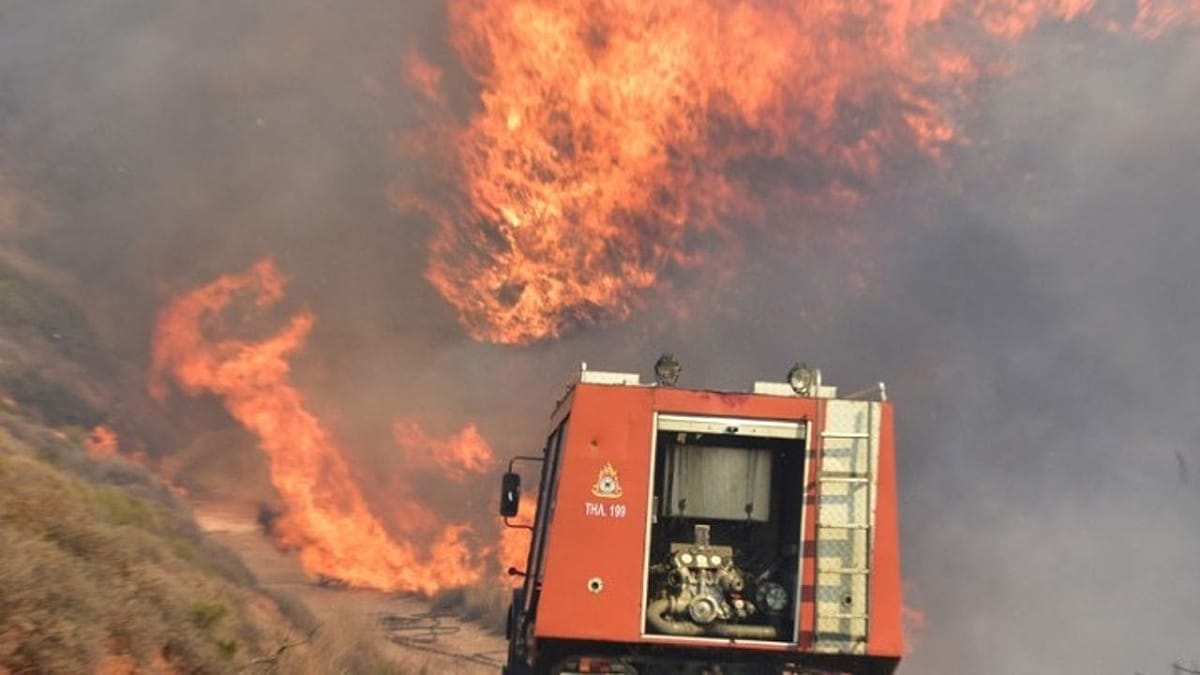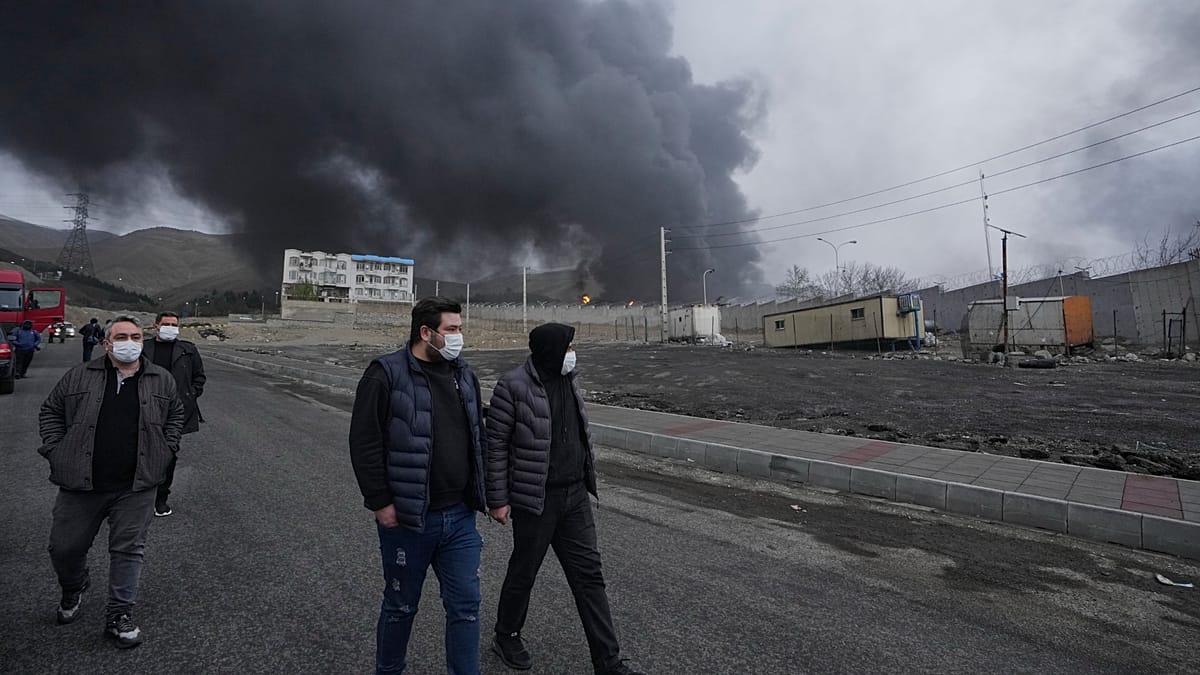
The ongoing conflict in Iran is inflicting a profound and lasting environmental toll, with attacks on oil depots, industrial sites, and critical infrastructure leaching a dangerous cocktail of pollutants into the region's air, soil, and water. Scientists warn the damage could undermine public health and ecological stability for generations, representing a catastrophic reversal for environmental protection efforts.
A Daunting Legacy of Pollution
Documenting the full scale of the damage remains a significant challenge. Organisations like the UK-based Conflict and Environment Observatory are using satellite imagery and open-source intelligence to track the fallout. They have already recorded more than 400 environmentally significant incidents linked to the hostilities. "For someone like me who has fought for sustainability and protection of the environment in that region, this is like going many years backward," said Kaveh Madani, an Iranian scientist and director of the United Nations University Institute for Water, Environment and Health.
The most visible signs are the plumes of black smoke from burning oil and gas facilities, which have even led to reports of oily, acidic 'black rain' falling near Tehran. This microscopic soot and ash pose immediate risks for respiratory and cardiovascular diseases, while the release of toxic chemicals and heavy metals raises the spectre of long-term cancer risks and widespread contamination of agricultural land and water supplies.
Critical Water Infrastructure at Risk
A particularly acute concern is the threat to water security. Nations around the Persian Gulf, including Iran and Bahrain, rely heavily on desalination plants for drinking water. Damage to these facilities, which has already been reported by both sides, creates a dual crisis of public health and regional stability. "Any damage to water infrastructure can have long-lasting impacts," Madani noted, highlighting that access to clean water is a struggle in the region even during peacetime.
The pollution crisis extends beyond immediate battle damage. Strikes on manufacturing plants, such as facilities producing ammonia for fertiliser, can release acutely toxic chemicals. Furthermore, the widespread destruction of buildings in urban centres like Tehran pulverises construction materials, creating hazardous dust and contaminating residential areas with substances like asbestos.
"If you hit an ammonia-producing plant for fertiliser or for food production... those release chemicals that are absolutely toxic and harmful if they spread," said Mohammed Mahmoud of the UN University Institute of Water, Environment and Health.
Experts from organisations like the Conflict and Environment Observatory stress that a full accounting is currently impossible, hampered by internet blackouts and delays in satellite data. However, the emerging picture is one of systemic degradation that will outlast the immediate conflict.
A Long and Uncertain Road to Recovery
The post-conflict prioritisation of rebuilding energy, housing, and food production infrastructure means environmental remediation is likely to be sidelined. Some pollution, especially in marine environments like the Persian Gulf, may never be adequately addressed. This creates a scenario where the health consequences—from increased disease burdens to contaminated food chains—will manifest slowly over coming decades, burdening future generations.
The regional environmental fallout also carries implications for Europe. Prolonged instability and resource scarcity in the Middle East can trigger wider geopolitical and humanitarian consequences. Furthermore, the destruction underscores the urgent need for international frameworks to protect the environment during armed conflict, a discussion with clear relevance for European foreign and security policy. The conflict's impact on global energy markets, as highlighted by the EU Energy Chief's warnings of prolonged price hikes, is a direct economic concern for the continent.
This crisis also intersects with broader global environmental challenges. Just as a Central Asian summit is advancing a proposal for a UN Water Agency to manage transboundary resources, the situation in Iran demonstrates the devastating speed at which conflict can undo decades of environmental stewardship and threaten vital water supplies for millions.