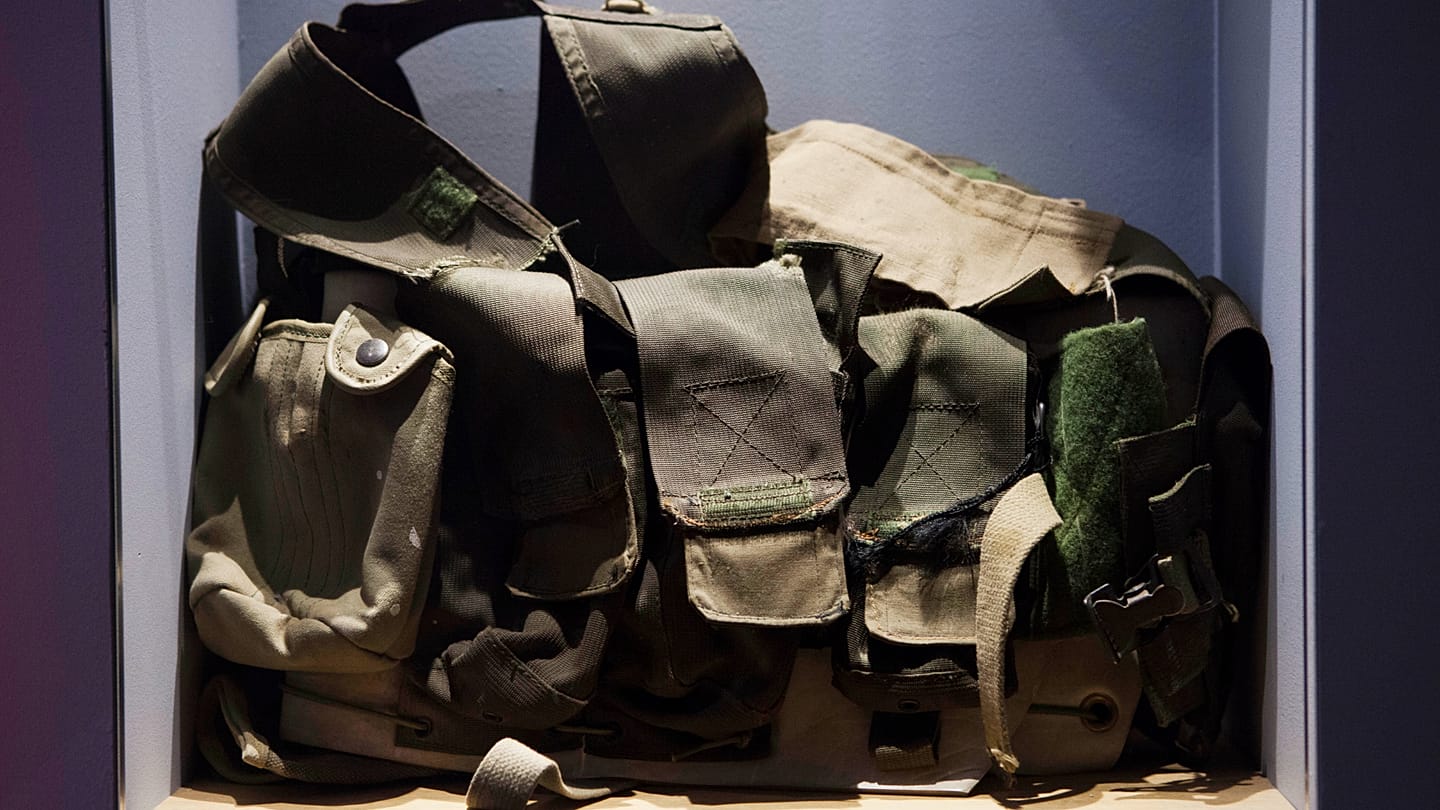
On the eve of the 50th anniversary of the Entebbe raid, Israel has declassified a trove of secret documents that shed new light on the internal debates that preceded one of the most famous hostage rescue operations in modern history. The files, released by the Israel State Archives, reveal that senior officials privately considered negotiating with the hijackers before ultimately authorizing the daring military mission in Uganda.
The operation, which took place on 4 July 1976, saw Israeli commandos fly over 4,000 kilometres to Entebbe Airport near Kampala to free 106 hostages held by Palestinian and German militants. The hijackers had diverted Air France Flight 139 from Tel Aviv to Entebbe, where they were supported by Ugandan dictator Idi Amin. The raid resulted in the deaths of three hostages, one Israeli soldier, and all seven hijackers, but it was widely hailed as a tactical success and a symbol of Israeli resolve.
Internal divisions over negotiation
The newly released documents, which include cabinet meeting minutes, intelligence assessments, and diplomatic cables, show that the Israeli government was deeply divided in the days following the hijacking. Some officials argued that a negotiated release was the safest option, given the risks of a long-range military intervention. Others insisted that any concession would encourage further attacks. The files also reveal that Israel secretly explored the possibility of involving third parties, including the French government, to mediate with the hijackers.
One document, dated 29 June 1976, records a senior military official warning that a rescue attempt could result in heavy casualties and that the operation's success depended on perfect intelligence and surprise. Another memo, from the Mossad, assessed that the hijackers were unlikely to release the hostages without significant concessions, including the release of Palestinian prisoners held in Israel.
The declassification comes as European policymakers continue to grapple with the legacy of state-sponsored terrorism and hostage diplomacy. The Entebbe raid remains a reference point for counterterrorism strategies across the continent, particularly in countries like France and Germany, which have faced similar dilemmas. The documents also highlight the role of European governments in the crisis: France, as the airline's home country, was involved in early diplomatic efforts, while West Germany provided intelligence support.
The timing of the release is notable, coming just weeks after EU's Internal Power Struggle Over Foreign Policy Plays Out in Israel Relations, a reminder of the ongoing tensions between Brussels and Tel Aviv over issues ranging from settlement policy to counterterrorism cooperation. The Entebbe documents may also resonate in the context of US-Iran Talks Could Undermine Fragile Israel-Lebanon Peace, Ex-Spokesperson Warns, as they underscore the high stakes of hostage situations and the difficulty of balancing negotiation with military action.
Historians have long debated whether the Entebbe raid set a precedent for future Israeli operations or whether it was a unique case that cannot be replicated. The declassified documents do not settle that debate, but they provide a more nuanced picture of the decision-making process. They show that even as the military prepared for the rescue, diplomatic channels remained open, and that the final decision to go ahead was taken only after a series of tense cabinet meetings.
For European readers, the Entebbe story also touches on broader themes of sovereignty and international law. The raid violated Uganda's airspace and territorial integrity, raising questions that still echo in debates about cross-border counterterrorism operations. The documents reveal that Israeli officials were acutely aware of the legal and diplomatic risks, but concluded that the imperative to save lives outweighed them.
The release of the documents is part of a broader trend of historical transparency in Israel, which has declassified other sensitive archives in recent years. However, some files remain sealed, including those related to the identities of the commandos and the exact nature of the intelligence provided by foreign allies. European intelligence agencies, including those in the UK and France, are believed to have contributed to the operation, but their role is still not fully documented.
As the 50th anniversary approaches, the Entebbe raid continues to captivate public imagination, not least because of its cinematic elements: the long-distance flight, the impersonation of Idi Amin by a commando, and the dramatic rescue under fire. But the declassified documents remind us that behind the heroism lay a complex calculus of risk, politics, and human life. For European policymakers, the lessons of Entebbe remain relevant in an era of persistent terrorist threats and shifting alliances.
The full archive is now available online through the Israel State Archives, offering researchers and the public a rare glimpse into a pivotal moment in counterterrorism history. Whether the operation can serve as a model for future crises is an open question, but the documents make clear that even the most celebrated missions are born from uncertainty and hard choices.