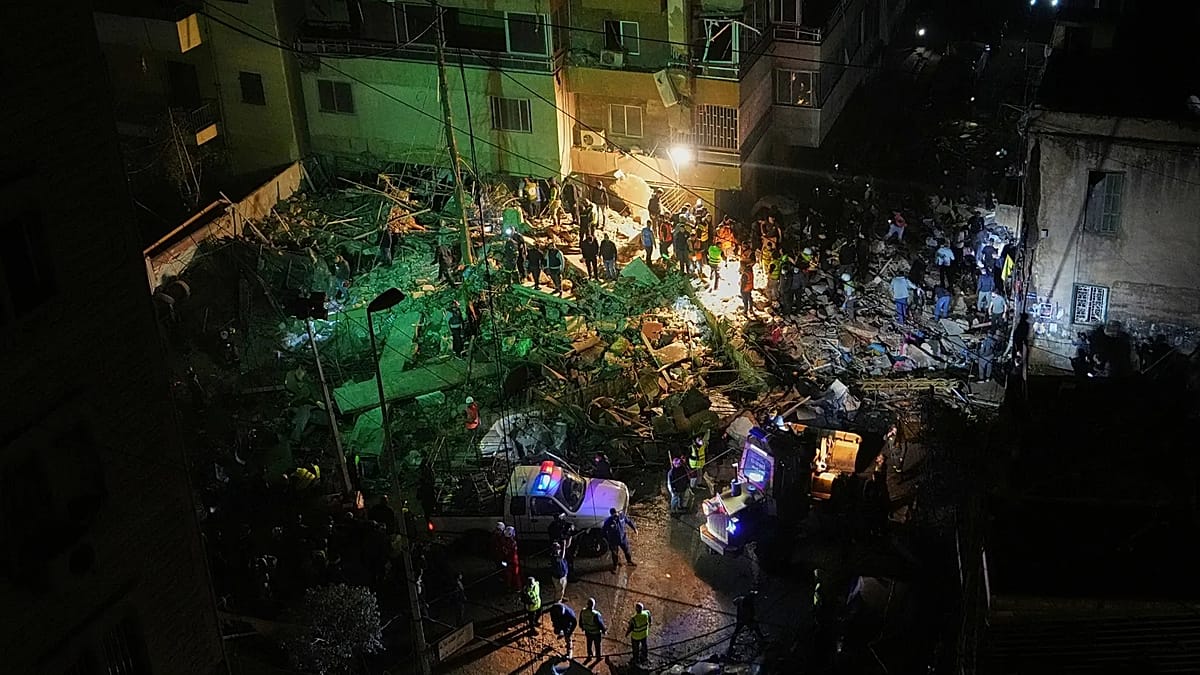
For the first time in nearly a month, Israeli warplanes struck Beirut's southern suburbs on Wednesday night, killing a senior commander from Hezbollah's elite Radwan force, according to a source close to the group. The attack targeted the Ghobeiri district, a stronghold of the Iran-backed militant organization, and marks a significant escalation in the ongoing conflict that has drawn in Lebanon since March.
Israeli Prime Minister Benjamin Netanyahu confirmed that the military had targeted "the commander of Hezbollah's Radwan force." The source identified the slain commander as Malek Ballout, the operations commander within the Radwan unit. At least 11 other people were killed in separate Israeli strikes across southern and eastern Lebanon, the Lebanese health ministry reported.
The strike on Beirut's southern suburbs comes after a period of relative calm in the capital, which had been spared Israeli attacks since 8 April, when massive strikes across the country killed more than 350 people. Many residents had already fled the area after Hezbollah's entry into the war in March, and have not returned despite the truce that took effect on 17 April.
Ceasefire Under Strain
The ceasefire, which allows Israel to act against "planned, imminent or ongoing attacks" by Hezbollah, has been repeatedly tested. Israel has continued to bomb southern Lebanon, and Hezbollah has retaliated with attacks on Israeli troops. On Thursday, the Israeli military reported that an "explosive drone impact" wounded four soldiers, one severely, in southern Lebanon the previous day.
In Saksakiyeh, a town in southern Lebanon, four people were killed and 33 wounded, including six children and four women, in an Israeli strike. The National News Agency (NNA) also reported strikes on the town of Yater and other areas in the south.
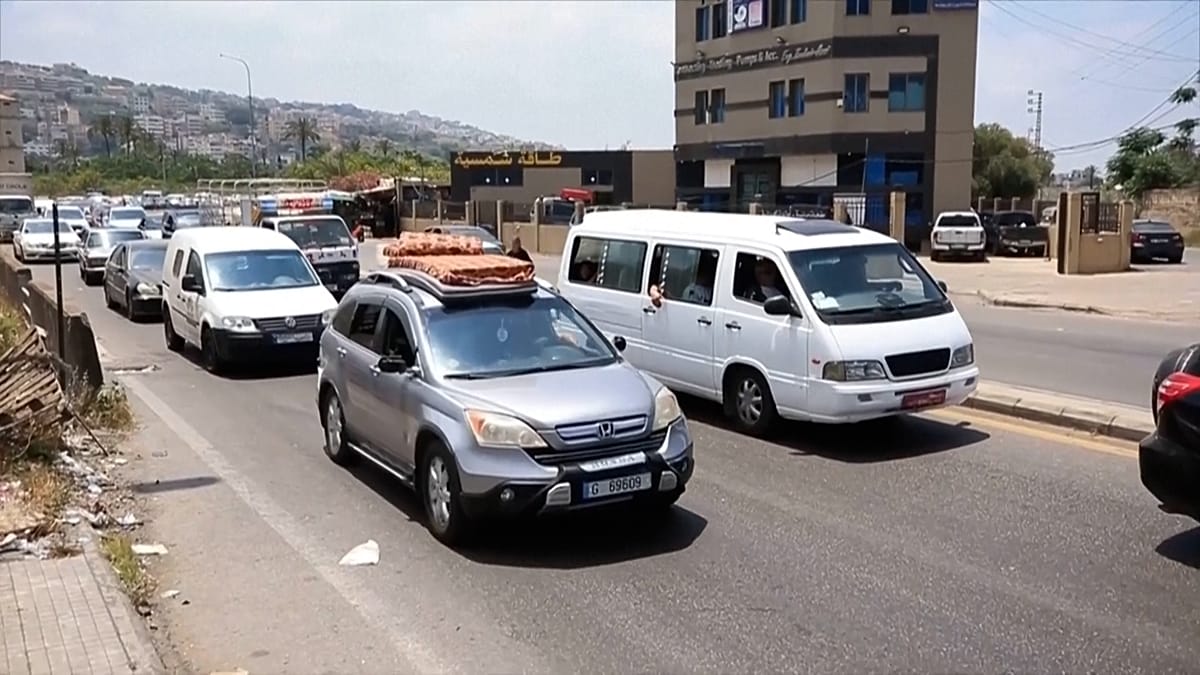
Since 2 March, Israeli strikes on Lebanon have killed more than 2,700 people and displaced over 1 million, primarily from southern and eastern Lebanon and Beirut's southern suburbs. The World Health Organisation (WHO) chief Tedros Adhanom Ghebreyesus said on Wednesday that the WHO had "verified 152 attacks on healthcare that resulted in 103 deaths and 241 injuries." These attacks have led to the closure of three hospitals and 41 primary health centres, and damaged a further 16 hospitals.
Visiting troops in southern Lebanon, where Israel has established a so-called "yellow line," Israeli army chief Eyal Zamir said they will "seize every opportunity to deepen the dismantling of Hezbollah and continue weakening it."
The situation remains highly volatile, with the ceasefire hanging by a thread. The international community, including European capitals like Paris and Berlin, has called for restraint, but the cycle of violence shows no sign of abating. The European Union has previously condemned attacks on healthcare and civilian infrastructure, and the latest developments are likely to reignite debates in Brussels about the bloc's role in mediating the conflict.
For European readers, the instability in Lebanon has direct implications: it fuels migration flows across the Mediterranean, threatens energy security in the Eastern Mediterranean, and complicates EU foreign policy in the Middle East. The bloc's member states, particularly France with its historical ties to Lebanon, are closely watching the situation.