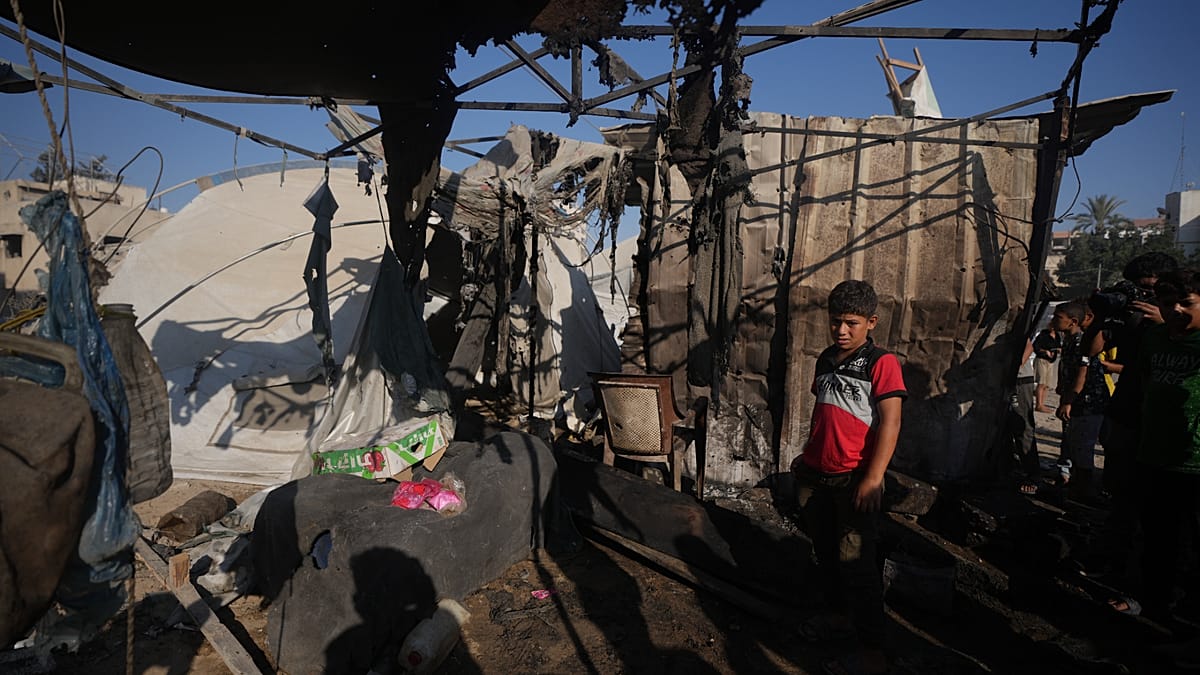
At least four Palestinians were killed on Tuesday when Israeli airstrikes hit a tent shelter in Gaza, according to local medical officials. The strike targeted an area near Khan Younis, where thousands of displaced families have sought refuge in makeshift camps after repeated evacuation orders.
The deaths come as humanitarian agencies warn that living conditions in Gaza's overcrowded camps have deteriorated to a critical point. Aid workers describe scenes of open sewage, swarms of flies, and children suffering from skin infections and diarrhoea, all compounded by severe shortages of clean water and medical supplies.
European calls for restraint grow louder
The latest violence has intensified pressure on European governments to take a clearer stance. In Brussels, diplomats have struggled to agree on a unified response, with some member states urging a formal suspension of the EU-Israel Association Agreement over alleged violations of international law. Others, notably Germany and Hungary, have resisted such moves, citing Israel's right to self-defence.
This diplomatic paralysis echoes a broader frustration across the continent. Earlier this year, Israeli activists in Jerusalem urged the EU to abandon its silence, arguing that inaction amounts to complicity. Their plea has gained renewed urgency as civilian casualties mount.
The EU's difficulty in projecting a coherent foreign policy is not limited to the Middle East. On the bloc's eastern flank, Hungary's declaration that it has met all conditions for its €10bn recovery payout has tested the Commission's resolve, while Russian overnight strikes on Kyiv continue to claim civilian lives. These crises, though distinct, share a common thread: the difficulty of translating European values into decisive action.
In Gaza, the human toll is immediate. The four killed on Tuesday were among hundreds of families living in tents provided by the UN Relief and Works Agency (UNRWA). The agency has repeatedly warned that its capacity to assist is stretched to breaking point, with funding shortfalls and access restrictions hampering deliveries.
Local health officials said the dead included two women and a child. The Israeli military claimed the strike targeted a militant cell operating from the shelter, a statement that could not be independently verified. Similar claims have been made in previous incidents, but witnesses and human rights groups have often disputed them.
The deteriorating camp conditions have also sparked protests among displaced Palestinians, who demand better protection and an end to the war. Many have been displaced multiple times, moving from one temporary shelter to another as fighting shifts across the enclave.
For European observers, the situation raises uncomfortable questions about the effectiveness of diplomatic pressure. The EU has been a leading donor of humanitarian aid to Gaza, yet its political influence remains limited. As one Brussels-based analyst put it, "The EU writes cheques, but it does not shape the conflict."
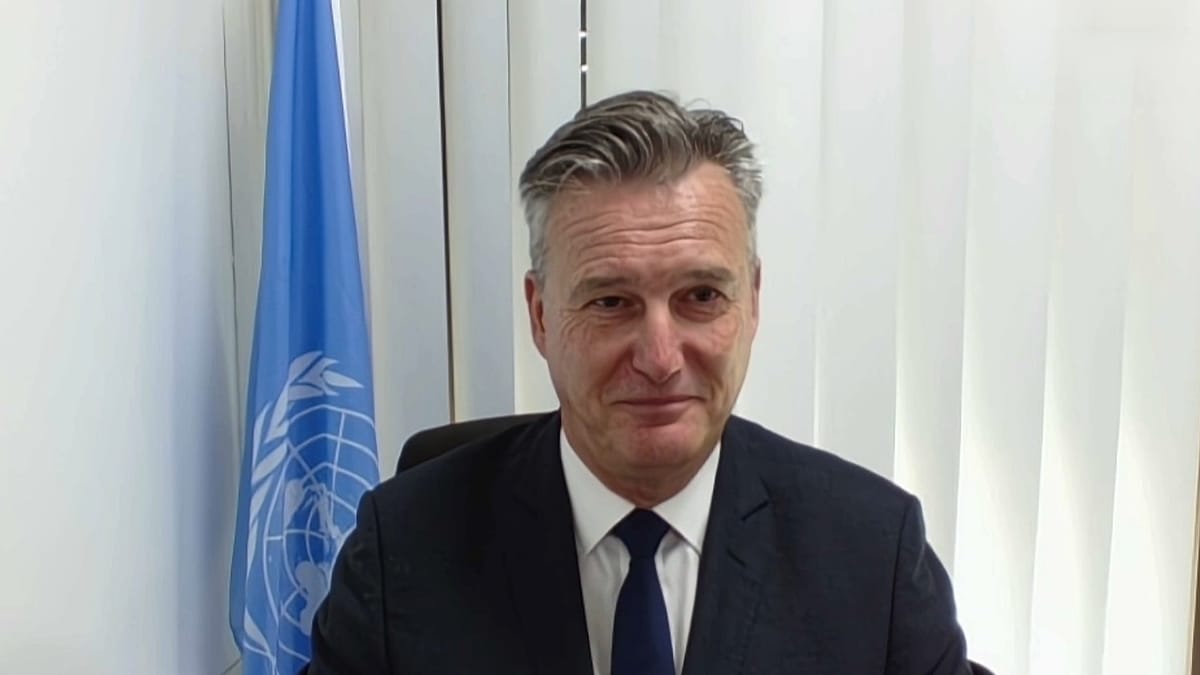
Meanwhile, the cycle of violence shows no sign of abating. In the past week, Israeli strikes have also hit schools and medical facilities, drawing condemnation from the World Health Organization and UNICEF. The UN has called for an independent investigation into the latest shelter attack, a demand that Israel has rejected.
For now, the people of Gaza remain trapped between a relentless military campaign and a humanitarian catastrophe. The tents that were meant to provide temporary refuge have become permanent homes, and the conditions inside them are worsening by the day.