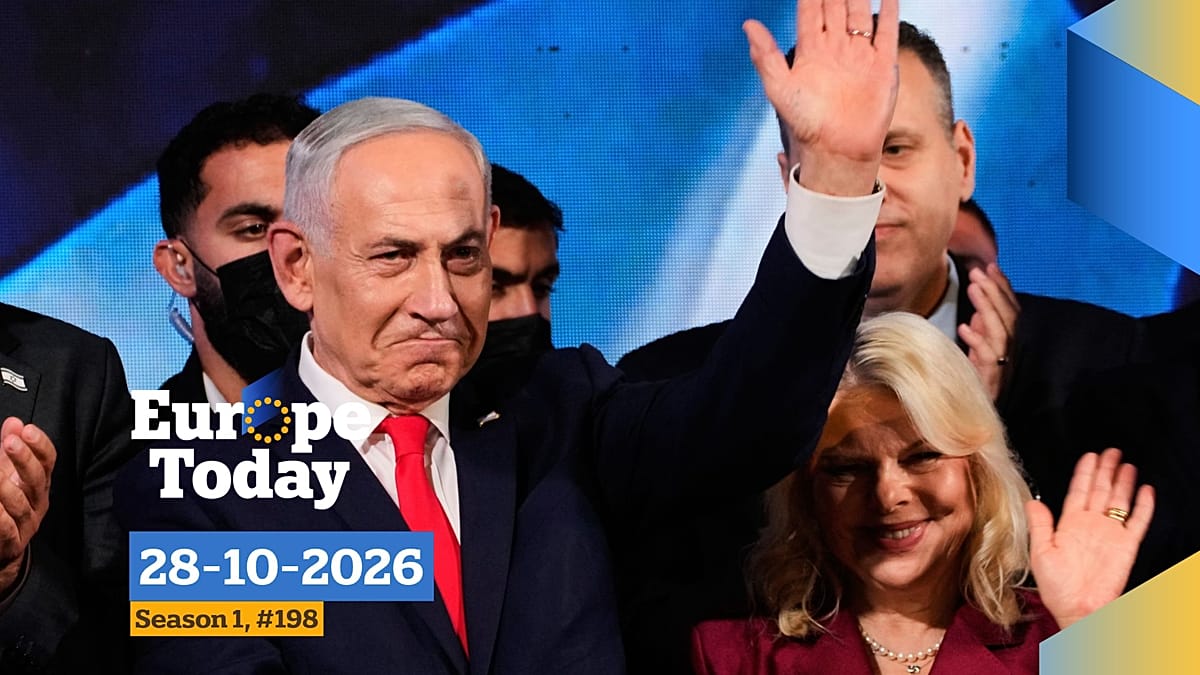
Israel's parliamentary election has ended in a dead heat, with neither Benjamin Netanyahu's right-wing bloc nor his centrist challenger Gadi Eisenkot securing a clear path to a majority. The result, which mirrors the dead heat predicted by exit polls, leaves the country in a familiar state of political limbo and raises questions about the longevity of Netanyahu's long political career.
With nearly all votes counted, both camps are short of the 61 seats needed to form a coalition in the 120-seat Knesset. Attention now turns to the Arab-led parties, which could play a kingmaker role in deciding who becomes prime minister. Eylon Levy, a former spokesman for the Israeli government, noted that "the Arab parties have never been more pivotal," and their willingness to back either side will determine the next government.
For Netanyahu, who has dominated Israeli politics for decades, the outcome is a personal setback. He faces ongoing corruption trials and a fractured right-wing base. "This may be the beginning of the end of the Netanyahu era," Levy said, though he cautioned that the veteran leader has survived political obituaries before. The possibility of a prolonged coalition-building process, lasting weeks or even months, looms large.
Nordic leaders break the ice with Putin
In a rare diplomatic move, Finland's President Alexander Stubb and Norway's Prime Minister Jonas Gahr Støre held a joint phone call with Vladimir Putin. The conversation, which focused on the war in Ukraine, marks a significant departure from the near-total isolation that Western leaders have imposed on the Kremlin since the full-scale invasion in 2022.
The call has sparked debate across Europe. Some see it as a pragmatic attempt to open a channel for peace talks, while others worry it legitimises Putin's aggression. Sasha Vakulina, reporting on the story, noted that "the Nordic leaders are walking a tightrope between dialogue and deterrence." The initiative has also exposed a rift within the Nordic bloc, with Sweden and Denmark expressing reservations about engaging directly with Moscow.
Stubb and Støre emphasised that they raised the need for a ceasefire and the restoration of Ukraine's territorial integrity. "We cannot talk about peace without Ukraine at the table," Støre said after the call. The move has been cautiously welcomed by some EU diplomats, who see it as a complement to broader European efforts to press Putin to resume meaningful negotiations.
Serbia's political shift
In the Western Balkans, Serbia's election has delivered a surprising upset. Student-led opposition groups, galvanised by months of protests against corruption and media censorship, have made significant gains, challenging the long-dominant Serbian Progressive Party. Marko Prelec, senior Western Balkans analyst at the International Crisis Group, described the result as "a political earthquake" that could signal a turning point in the country's post-Milošević era.
The question now is who will form the next government. The opposition has yet to agree on a single candidate for prime minister, and the Progressive Party may still cobble together a coalition. Prelec noted that "the old guard is wounded but not dead," and the coming weeks will reveal whether the opposition can translate its electoral success into real power.
US midterms and European stakes
Across the Atlantic, the upcoming US midterm elections are drawing intense interest in European capitals. Keith Brannum, a Democratic strategist and senior adviser at Greenlane, argued that the Democrats are in a stronger position than many expect. "The economy is improving, and abortion rights remain a mobilising issue," he said. A Democratic-controlled Congress would likely maintain current US support for Ukraine and NATO, while a Republican sweep could introduce uncertainty.
European leaders are watching closely, as the outcome will shape transatlantic relations on trade, security, and climate policy. Brannum cautioned against overconfidence, noting that "midterms are historically tough for the incumbent party."
Mbappé's China controversy
In the world of sport, Kylian Mbappé is facing a reputational crisis after a joke about Mao Zedong went viral on social media. The French football star's comments have cost him several sponsorship deals in China, where the Mao reference was seen as disrespectful. Irish sports journalist Ken Early assessed the damage: "Mbappé's brand is global, but China is a massive market, and this could hurt him commercially for years."
The incident highlights the delicate balance athletes must strike when engaging with political figures, especially in markets with different sensitivities. Mbappé has apologised, but the fallout may linger.
As Europe looks on, these stories underscore the interconnectedness of politics, diplomacy, and culture across the continent and beyond. From the Knesset to the Kremlin, and from Belgrade to Beijing, the decisions made in the coming weeks will reverberate far beyond national borders.