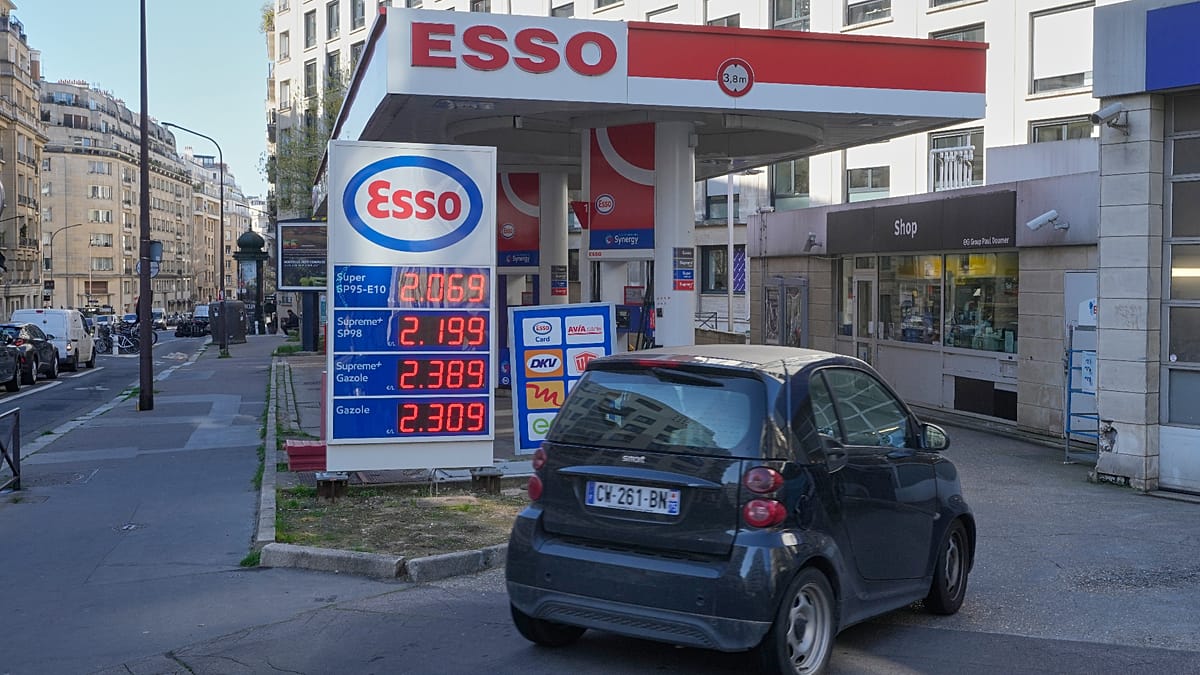
Italy's annual inflation rate accelerated sharply in October, reaching 5.4% according to national statistics agency Istat, up from 4.2% the previous month. The surge, well above the European Central Bank's 2% target, was driven primarily by higher costs for energy, food, and transport, the agency reported on Friday.
The Italian figure underscores the persistent price pressures facing the eurozone, even as the broader economy shows unexpected resilience. Official data released the same day revealed that the euro area's gross domestic product expanded by 0.4% in the third quarter, a slowdown from the 0.6% recorded in the second quarter but still ahead of the 0.2% forecast by economists surveyed by Bloomberg.
However, the headline number flatters the underlying picture. Ireland's exceptional 5.5% quarterly growth, driven by multinational corporate activity, skewed the aggregate. Excluding Ireland, the eurozone economy grew by just 0.2%, according to economists' estimates.
Stagflation worries persist
Economists warn that the combination of sluggish growth and elevated inflation—a scenario known as stagflation—remains a real risk. "The eurozone economy seems to have shrugged off the Middle East crisis," said Bert Colijn, chief economist at ING, in a note. "Despite a worsening energy shock, the economy continues to be resilient." He pointed to increased defence and infrastructure spending, as well as the tech boom, as supporting European industry.
Paolo Grignani, senior economist at Oxford Economics, described the data as "a mixed picture for the eurozone with stagflationary tendencies: GDP growth held up well, but national inflation releases surprised to the upside." Eurozone inflation hit a three-year high of 3.8% in September, fuelled by rising energy prices linked to the US-Israel conflict with Iran.
With winter approaching, experts caution that challenges lie ahead. Colijn noted that "steadily" rising energy costs, including natural gas prices, mean Europe "will see an additional growth challenge" in the coming months. The EU's oil import bill has surged by €10 billion monthly amid Middle East tensions, adding to the strain.
Uneven growth across the bloc
The eurozone's overall growth masks significant divergence among member states. France, the second-largest economy in the currency union, recorded a quarterly contraction of 0.1%, deepening concerns about its public finances and political tensions ahead of presidential elections next spring. The French economy has now stagnated for the whole of 2026. Bond yields in France recently hit their highest levels since 2002 amid a standoff over next year's budget, raising the cost of government borrowing.
Germany, Europe's largest economy, grew by 0.2% in the July-to-September period, slightly better than expected, after expanding 0.3% in the previous quarter. Italy, meanwhile, saw no growth in the third quarter, while Spain continued its steady pace with 0.6% expansion.
"Growth is becoming increasingly uneven across countries, with Germany and Spain gaining traction while France and Italy slow," Grignani observed. The divergence poses a challenge for the European Central Bank, which must balance inflation-fighting measures against the need to support weaker economies.
The ECB recently held its key interest rate at 2.5%, with President Christine Lagarde announcing an early exit as inflation remains near double the target. The bank's policy decisions will be closely watched as the bloc navigates the winter months.
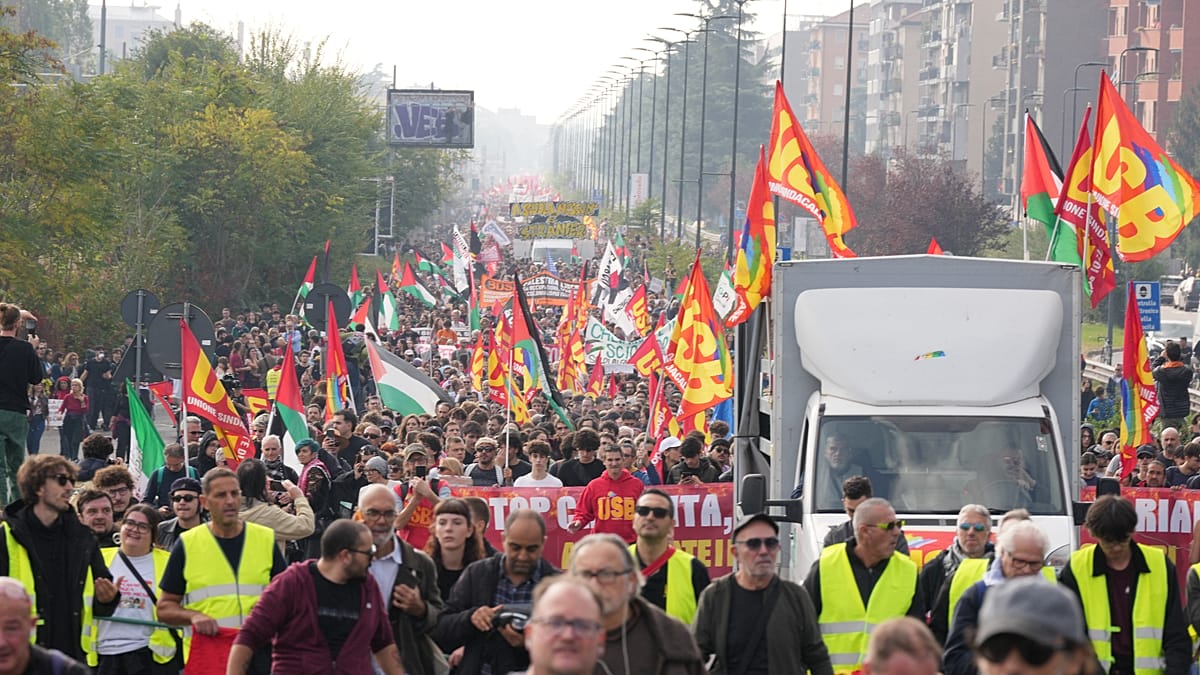
In Italy, the inflation surge has already sparked social unrest. Thousands took part in a general strike over living costs and defence spending, reflecting public frustration. The government faces pressure to address the cost-of-living crisis while managing its fiscal position.
As the eurozone heads into a potentially difficult winter, the resilience shown in the third quarter may be tested. The combination of high energy prices, uneven growth, and political uncertainty in key member states suggests that the bloc's economic outlook remains fragile.