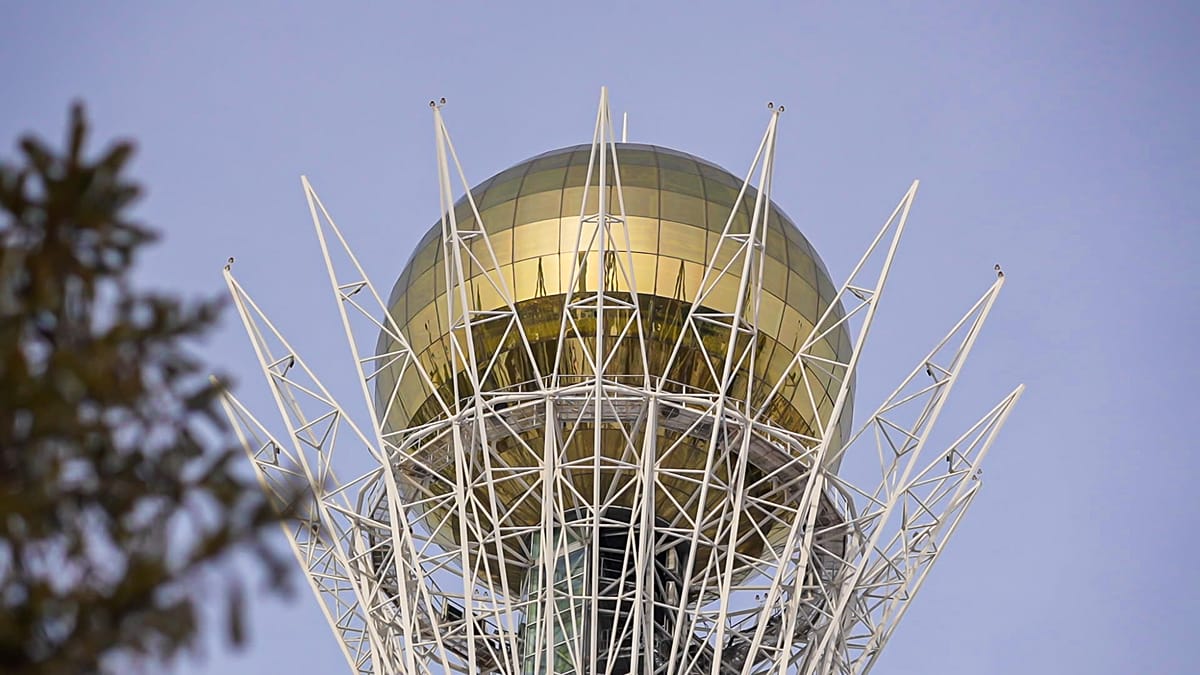
Once seen primarily as a crossroads of Central Asia, Kazakhstan is now positioning itself as a destination for international careers. From the laboratories of Nazarbayev University to the stages of the Astana Opera, a diverse cohort of global professionals is choosing to build their lives in the country, citing professional opportunity, cultural openness, and strategic national initiatives.
From Silicon Valley to the Steppe: Academic and Tech Ambitions
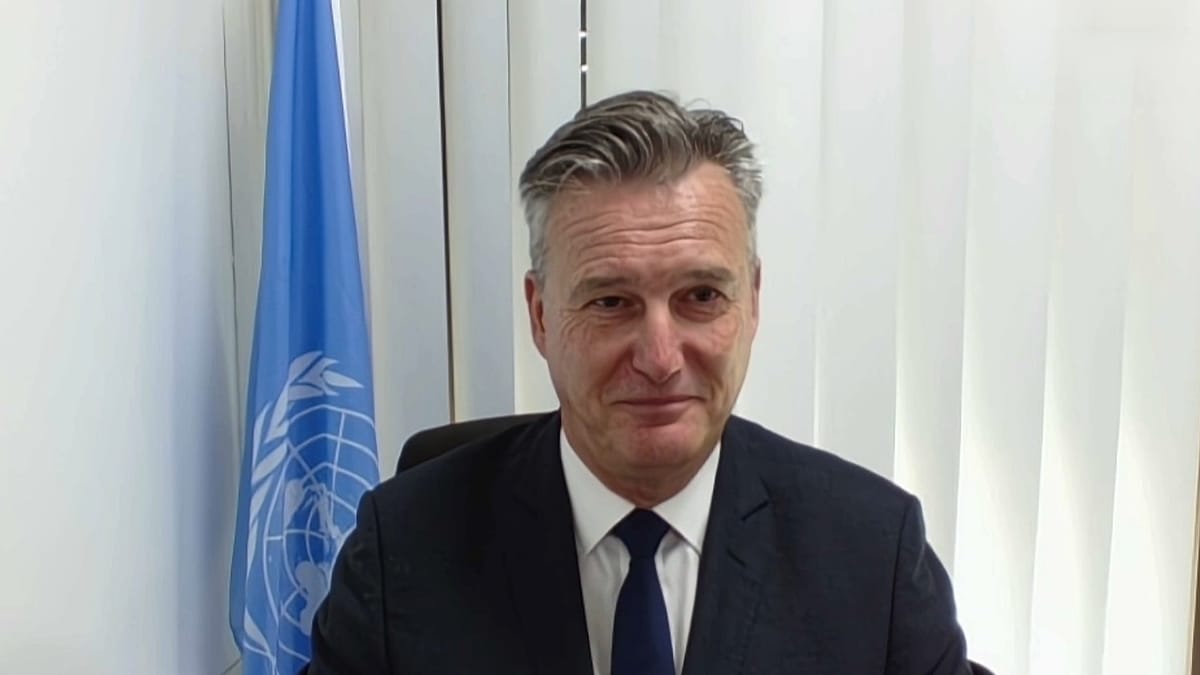
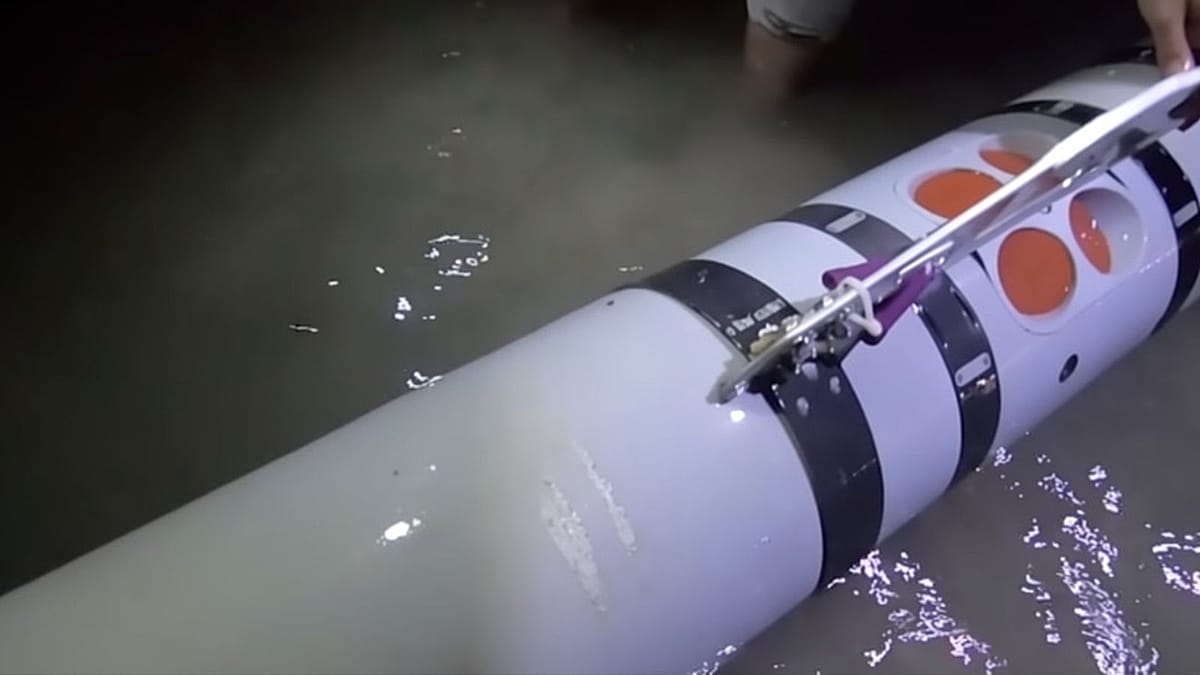
The story of Dr. Huseyin Atakan Varol exemplifies this shift. After completing a PhD in robotics, he anticipated a career in California. Instead, a move to Kazakhstan in 2011 led to a 15-year tenure at Nazarbayev University, where he is now a professor and founding director of the Institute of Smart Systems and Artificial Intelligence. "I found myself at Nazarbayev University when there was almost nothing here, just a few buildings. It was a fledgling university," he recalls. His team now develops AI and robotic solutions, including a large language model for the Kazakh language, demonstrating the country's commitment to high-level, locally relevant research.
This academic drive is matched by a burgeoning technology sector. Anchored by the Astana Hub, a major IT park, the capital is cultivating a startup ecosystem. The introduction of a Digital Nomad Visa has simplified long-term residence for remote professionals, a policy attracting talent like IT specialist Vladimir Beliankov from Russia. "For me, Astana is a modern, fast-developing city," Beliankov notes. "There is a strong IT culture concentrated here." He highlights the city's reliable internet and developed infrastructure as critical advantages for his remote work, a consideration that resonates across Europe where digital connectivity is a priority for economic growth.
A Welcoming Culture and Global Stage
Beyond infrastructure, professionals consistently point to the receptive social environment. Gianfranco Casarin, a teacher of Italian and Venezuelan heritage working in Astana, dispels common misconceptions. "When people think of places where it's really cold, they assume everyone must be unhappy or even hostile," he says. "But I found that the Kazakh people are very warm and welcoming." He argues that Western professionals often overlook destinations farther east, missing chances for accelerated personal and professional growth that come from adapting to a new cultural context.
Kazakhstan's cultural ambitions are also a powerful draw, particularly in the arts. The Astana Opera, under the artistic direction of former Mariinsky prima ballerina Altynai Asylmuratova, has become a world-class institution. It attracts international dancers like Madoka Yano from Japan, who was drawn by the repertoire and the chance to work under Asylmuratova's guidance. "The theatre environment, the repertoire and the teachers — I cannot get this in another place," Yano states, with no plans to leave. This cultural investment mirrors efforts seen in European capitals like Brussels, where showcasing heritage is key to global appeal.
Strategic Openness and European Parallels
These individual stories are supported by a framework of policy changes. Kazakhstan has eased entry for citizens of over 80 countries and formalised the Neo Nomad Visa for remote workers. "Kazakhstan is considered a four-season destination," explains Shyryn Mussina of Kazakh Tourism, highlighting growing winter tourism in regions like the Tian Shan mountains. The strategic goal is clear: to convert short-term visits into long-term engagement and talent retention.
For a European audience, Kazakhstan's trajectory offers a compelling case study in soft power and economic diversification. While distinct, its efforts to attract skilled migrants and build knowledge economies parallel initiatives within the EU to address skills shortages and foster innovation. The movement of professionals like Beliankov from Russia to Kazakhstan also underscores shifting regional dynamics that have indirect implications for European security and economic partnerships, a context often highlighted by leaders like the Estonian president who advocates for a stronger EU defence posture. Furthermore, Kazakhstan's focus on legal and bureaucratic reforms to attract talent resonates with ongoing debates in Hungary and elsewhere about governance and transparency in strategic sectors.
Ultimately, Kazakhstan is crafting a narrative that extends beyond its natural resources. By offering substantive careers in cutting-edge fields, a high quality of life, and a gateway to Central Asia, it is successfully convincing international professionals that it is no longer a mere stopover, but a viable and rewarding place to build a future.