Kim Yo Jong, the influential sister of North Korean leader Kim Jong Un, has issued a stark warning to Japan, accusing Tokyo of a "transformation into a war state" as it accelerates its military buildup in the Pacific. In a statement carried by the Korean Central News Agency (KCNA), she said Pyongyang's leadership "will set up additional military options which are obviously due to Japan's transformation."
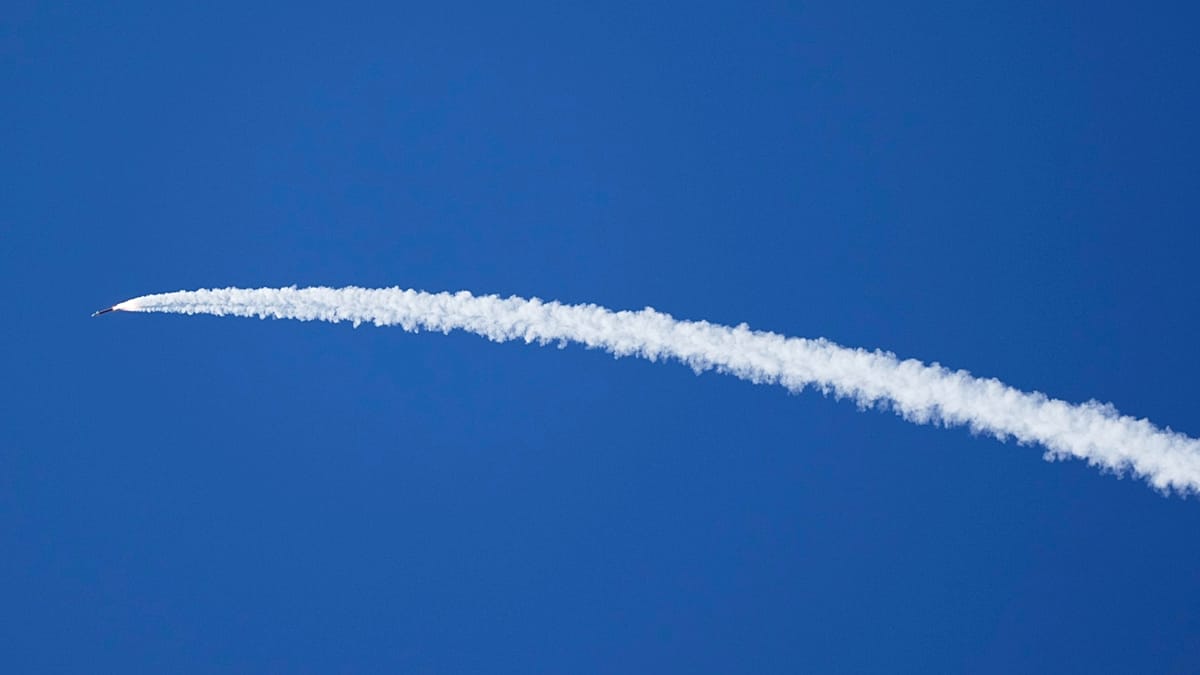
Japan has been steadily moving away from its post-World War II pacifist stance, increasing defense spending, forging new security pacts, and deploying missile launchers to its outer islands. The latest provocation, according to Kim, was Tokyo's first-ever test-firing of Tomahawk long-range cruise missiles last week, which Japan's defense ministry confirmed to AFP. She also cited Japan's participation in US-led military drills in the Philippines in May as evidence of Washington's backing for "dangerous military moves" in the region.
Kim's statement, published on Wednesday, described Japan as a "war criminal state" accelerating its transformation into a "war state." She accused Tokyo of seeking "to formulate the possession of the capability for pre-emptive attack" and warned that North Korea "will never remain a passive onlooker to the military evolution of Japan which may pose a grave threat."
Japan's defense shift under new leadership
Japan's defense minister said on Tuesday that the military must be strengthened with a "sense of urgency and crisis," following a government assessment that highlighted growing threats from China, Russia, and North Korea. The country's defense budget for 2025 has risen by 9.7% to $62.2 billion (€53.9 billion), equivalent to 1.4% of GDP—its highest share since 1958.
The hawkish stance is personified by Prime Minister Sanae Takaichi, who took office in 2026 and has already ruffled feathers in Beijing. In November, she suggested that Chinese action to seize Taiwan could warrant a military response from Japan. China, a key ally of North Korea, has expressed alarm at what it sees as Japan's "new militarism."
Kim's rhetoric taps into deep historical grievances. Japan occupied the Korean Peninsula from 1910 until its surrender in 1945, a brutal colonial period that continues to shape relations with both North and South Korea. "If the descendants of militarism, who have inherited the genes of cunning and aggression, have seized deadly weapons in their hands, something unpleasant will happen," she said.
Japan has hosted US military bases since the end of World War II, and its alliance with Washington remains the cornerstone of its security policy. However, Tokyo's recent moves—including the Tomahawk test and expanded defense cooperation—have raised concerns not only in Pyongyang but also in Beijing and among some European observers who worry about a new arms race in the Pacific.
North Korea has repeatedly declared itself an "irreversible" nuclear state since the collapse of the 2019 summit between Kim Jong Un and then-US President Donald Trump over denuclearization and sanctions relief. That status, combined with Japan's military buildup, creates a volatile mix in a region already fraught with tensions over Taiwan, the South China Sea, and North Korea's missile tests.
For Europe, the implications are indirect but significant. The Pacific's stability affects global trade routes, supply chains, and the strategic balance that European powers rely on. As Japan continues its defense transformation, European capitals will be watching closely—especially those with their own security concerns in the wake of Russia's invasion of Ukraine.
Kim's warning is unlikely to change Tokyo's trajectory, but it underscores the deepening divide in the region. With both sides hardening their positions, the risk of miscalculation grows. As she put it, "something unpleasant will happen"—a phrase that resonates far beyond the Korean Peninsula.