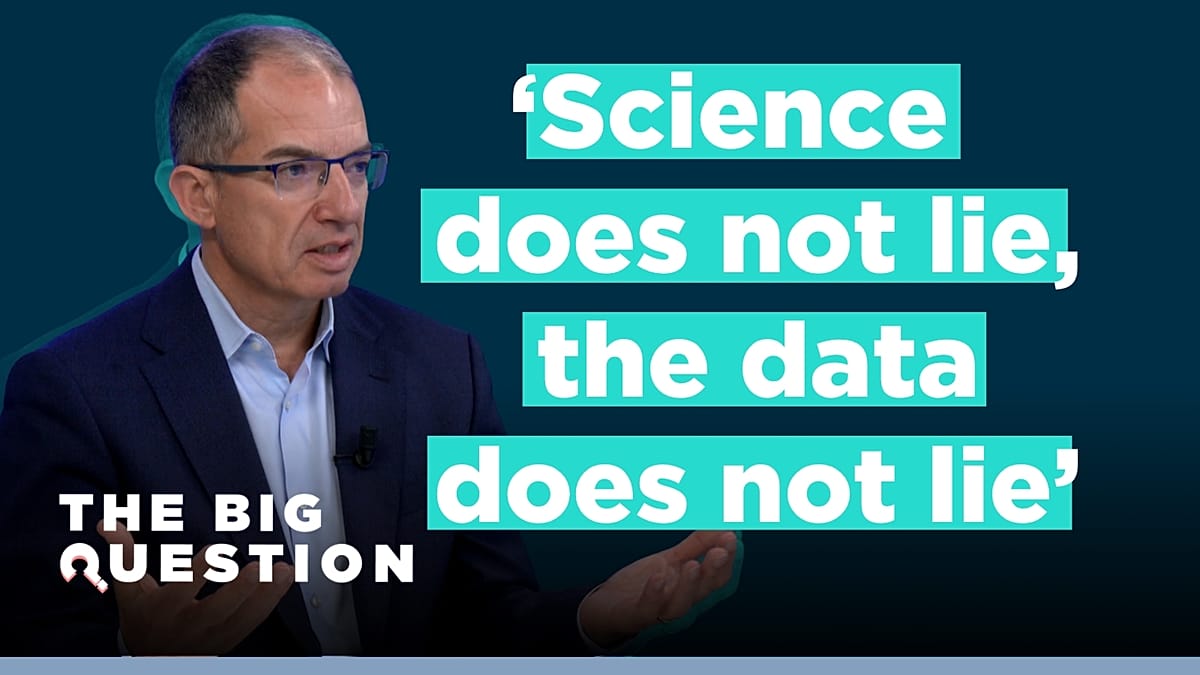
In a recent interview on The Big Question, Moderna CEO Stéphane Bancel expressed deep concern about Europe's preparedness for the next pandemic, particularly from bioterrorism. The US-based biotech firm, which developed the mRNA-based Spikevax vaccine during the Covid-19 crisis, is now pushing for partnerships with European governments to establish manufacturing capacity on the continent.
“If you look at it today, on continental Europe, there is no mRNA manufacturing capacity,” Bancel warned. “You could have something really bad happen in Europe and there is no industrial base to go and fight it.”
Europe's mRNA Gap
Bancel, a European himself, highlighted a critical vulnerability: while Moderna has factories in the US, Canada, the UK, and Australia, continental Europe remains without any mRNA production facilities. This gap is exacerbated by BioNTech's decision to close its manufacturing sites in Germany by the end of 2026, with its Comirnaty vaccine production shifting entirely to US partner Pfizer.
“We're trying to work with the European Union, trying to work with several governments around Europe to figure out how can we do a partnership like we have done in Canada or in the UK or in Australia,” Bancel said. “Because we think it's important for Europe to have mRNA on its soil.”
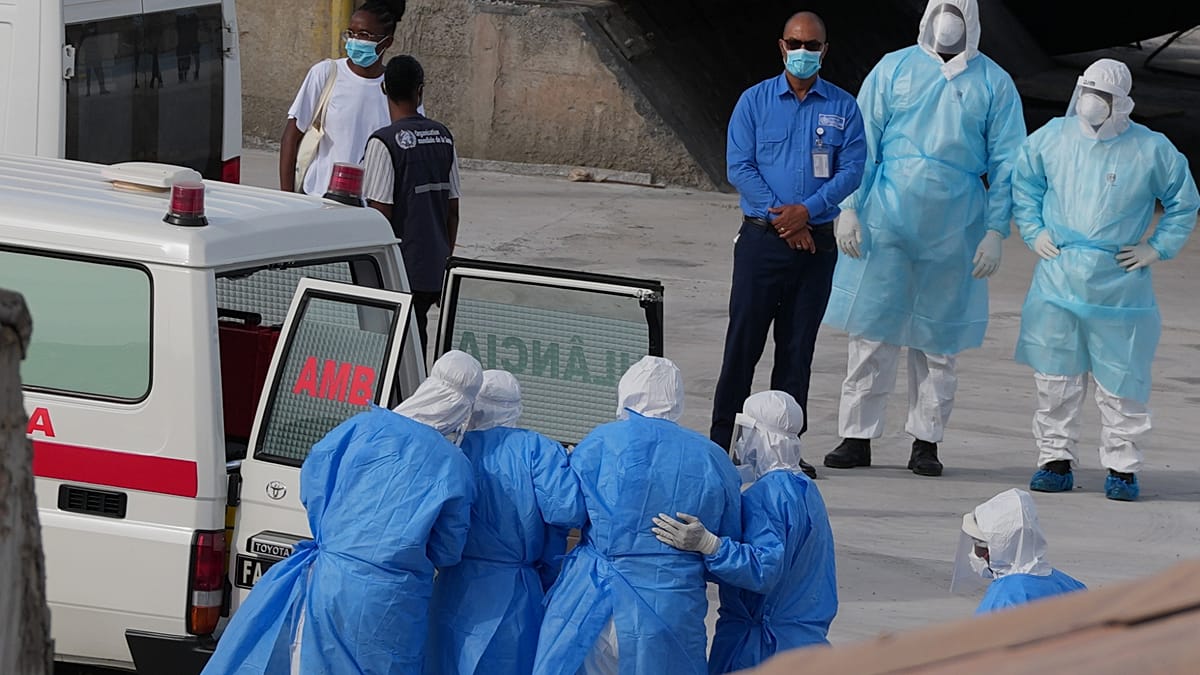
The warning comes as Europe faces multiple health security challenges, including a recent hantavirus outbreak on a cruise ship that tested the continent's response systems. The EU has also been working on reducing antimicrobial use to combat the silent pandemic of drug-resistant infections.
From Covid to Cancer
Moderna, which went public in 2018 and saw its valuation soar during the pandemic, has since experienced a steady decline in share price. The company is now refocusing on its original mission: using mRNA technology to treat a range of diseases, including cancer.
“COVID happened and so we took a little detour with trying to do our duty to help people… since then [we] went back onto mission,” Bancel explained. “We started the company and then went public on this belief that mRNA is a very powerful technology and that over time, we should be able to make medicine in many therapeutic areas: cancer, infectious disease, rare genetic disease and more.”
One promising development is a new treatment for Lynch syndrome, a genetic condition that doubles the risk of certain cancers. Moderna hopes its vaccine can prevent cancer in patients with the syndrome, while also boosting the company's financial fortunes.
“We're going on our pre-pandemic strategy… we have now four infectious disease vaccines approved by the European regulators, we have more in phase three that should get data this year in 2026, and we have a lot of products like the Lynch syndrome products,” Bancel said. “So we are diversifying the portfolio, we are going back into sales growth this year.”
Bioterrorism and the Next Pandemic
Bancel emphasized that the next pandemic could come from nature or be man-made. “We believe that there's always a risk of a big pandemic and it could be either from nature or it could be man-made,” he said. “If something big were to happen like a pandemic we will be able to go even faster than we went in 2020 because now we have a manufacturing infrastructure.”
But that infrastructure is largely outside Europe. The continent's reliance on external production is a strategic weakness, especially as the EU has worked to forge unity through crises. Without domestic mRNA capacity, Europe may struggle to respond quickly to a new threat, whether natural or deliberate.
As Moderna seeks to expand its presence in Europe, the question remains: will EU member states invest in the partnerships needed to secure their own pandemic preparedness, or will they continue to rely on external suppliers?