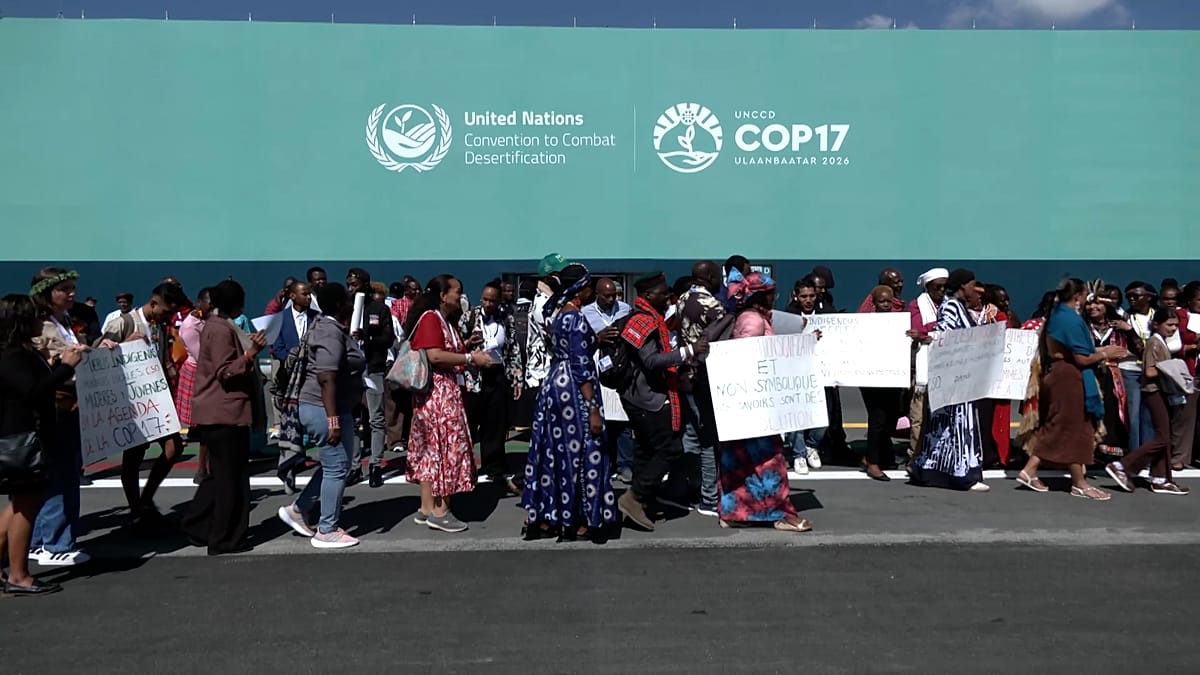
Ulaanbaatar has become the focal point of global efforts to combat desertification as the United Nations Convention to Combat Desertification (UNCCD) opens its 17th Conference of the Parties (COP17) in the Mongolian capital. Running from 17 to 28 August, the summit brings together representatives from 196 countries and the European Union to address the accelerating degradation of arable land, the growing frequency of droughts, and the expansion of deserts.
The choice of Mongolia as host is symbolic: the country is one of the most affected by desertification, with over 70% of its territory now considered degraded. But the issue is far from confined to Central Asia. Across Europe, from the Iberian Peninsula to the Danube basin, drought and land degradation are becoming defining challenges of the decade.
Europe's own drought emergency
While the summit's agenda is global, European delegates are arriving with pressing domestic concerns. In Germany, the Rhine River has seen critically low water levels for weeks, disrupting shipping and threatening industrial supply chains. The situation has reignited debates in Berlin about constitutional climate protection measures, as the government faces pressure to act more decisively.
Italy, too, is feeling the heat. The prolonged drought has exposed an ancient bridge beneath Rome's Tiber River, a stark reminder of how climate stress is reshaping even the most historic urban landscapes. In the Danube, the drought's toll is visible to anyone cycling along its banks, where parched riverbeds and struggling ecosystems tell a story of a continent under environmental strain.
Global stakes, shared solutions
The UNCCD COP17 is not merely a forum for lamenting the problem. Negotiators are expected to push for stronger commitments to restore degraded land, improve water management, and develop early-warning systems for drought. The EU, which has its own ambitious soil and biodiversity strategies, is likely to play a bridging role between developed and developing nations.
European officials are also drawing parallels between desertification and other global crises. The recent Panama Canal's transit cuts due to El Niño-driven drought underscore how water scarcity can disrupt global trade, a lesson not lost on European ports and logistics hubs.
Yet the summit's success will hinge on whether countries can move beyond rhetoric. The UNCCD has set a target to restore 1.5 billion hectares of degraded land by 2030, but progress has been slow. As one European diplomat put it, “We have the science, we have the technology, and we have the money. What we lack is the political will to act at the scale required.”
For Mongolia, the summit is also an opportunity to showcase its own efforts. The government has launched a national reforestation campaign and is working with international partners to combat desertification. But the country's challenges are immense, and the world's attention will be on whether COP17 can translate awareness into action.
As the conference enters its second week, delegates will grapple with the thorny issues of financing, technology transfer, and accountability. The European Union, which has pledged significant funding for land restoration projects in Africa and Asia, is expected to push for stronger monitoring mechanisms.
The stakes could not be higher. Desertification is not just an environmental issue; it is a driver of migration, conflict, and economic instability. For Europe, which has already seen the effects of climate-induced migration from the Sahel and the Middle East, the outcome of COP17 will resonate far beyond the steppes of Mongolia.