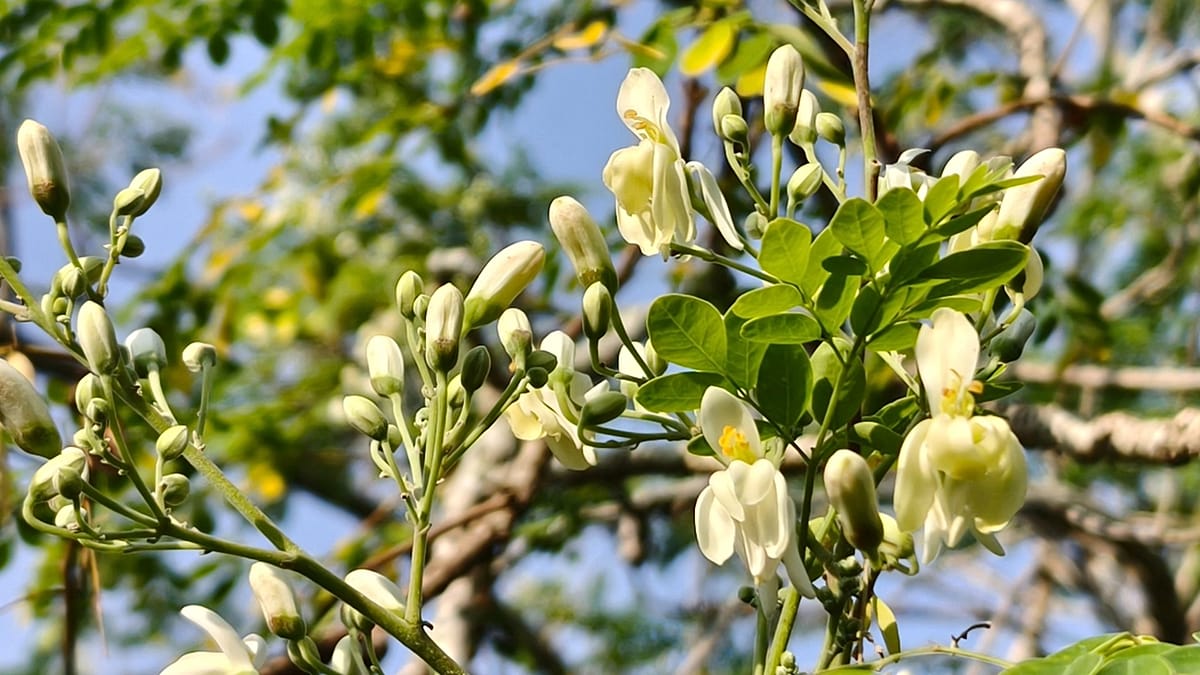
A purification technique with roots in antiquity may offer a modern solution to Europe’s microplastic contamination in drinking water. Researchers at São Paulo State University (UNESP) in Brazil have found that an extract from seeds of the moringa tree—sometimes called the ‘miracle tree’—can remove over 98% of aged PVC microplastics from water, matching or exceeding the performance of conventional chemical coagulants.
Microplastics, particles smaller than five millimetres, have accumulated in European water systems for decades, originating from car tyres, paint, textiles, and degraded packaging. In 2024, the European Union tightened monitoring protocols for microplastics in drinking water, yet researchers have warned that very small particles—around 15 micrometres—can slip through standard filters and enter the bloodstream, potentially linking to cancer, heart attacks, and reproductive disorders. These particles also act as vectors for other hazardous pollutants, amplifying risks across ecosystems and the food chain.
Current Filtration Methods Carry Hidden Costs
European water treatment plants currently rely on both physical and chemical methods. Aluminum sulfate, or alum, is a common coagulant that neutralises the negative charge of microplastic particles, allowing them to clump into larger aggregates—called flocs—that can be captured by sand filters. While effective, alum use raises concerns: improper dosing can elevate aluminium levels in treated water, linked to neurological disorders such as Alzheimer’s disease. The process also generates large volumes of sludge, often sent to landfill where it can leach toxins. Moreover, alum production requires strip-mining for bauxite in tropical regions like Australia, Brazil, and Guinea, contributing to deforestation and significant greenhouse gas emissions from energy-intensive refining.
The European chemical industry has faced scrutiny over such environmental impacts, and the search for greener alternatives has intensified. The moringa-based extract offers a non-toxic, plant-derived option that could reduce reliance on alum. Both coagulants work by neutralising the negative charge that keeps microplastic particles suspended, but moringa proved more consistently effective across a wider pH range in the study, published in ACS Omega.
Moringa’s Promise and Practical Hurdles
Moringa oleifera, a fast-growing, drought-resistant tree, has been used since ancient Egyptian times to clarify water and remove bacteria. Its seeds contain proteins that act as natural coagulants. The recent study, led by Gabrielle Batista, compared a salt-based extract from moringa seeds with alum. Both removed over 98% of PVC particles, but moringa showed particular strength in in-line filtration, potentially eliminating the energy-intensive flocculation step that binds coagulated particles together. This could lower operational costs for treatment plants across Europe, from Berlin to Barcelona.
However, the researchers note a drawback: moringa extract can leach dissolved organic carbon during treatment, which may complicate downstream processes. Further testing is needed to assess its performance at scale and to optimise dosing for different water qualities. The tree itself, however, is well-suited to European climates? It thrives in arid, degraded soils, acts as a carbon sink, and supports biodiversity, making it a candidate for cultivation in southern Europe, including parts of Spain, Italy, and Greece.
The findings arrive as European policymakers grapple with the broader challenge of microplastics. The EU is divided on how to regulate them, with member states split over a proposed microplastics law ahead of UN treaty negotiations. Meanwhile, concerns over persistent pollutants like PFAS have prompted parallel efforts to phase out ‘forever chemicals’ across the continent, as Europe confronts the enduring threat of PFAS.
For water utilities, the moringa extract represents a potential step toward a circular, less toxic approach to purification. But scaling up from laboratory to municipal treatment plants will require investment and regulatory approval. If successful, the ‘miracle tree’ could help European cities meet stricter microplastic standards while reducing the environmental footprint of water treatment.