Good morning from Brussels. As the European Parliament gears up for a busy plenary session, several key developments are shaping the continent's agenda this Thursday, September 25, 2026.
Political Tensions Rise Over Migration Pact
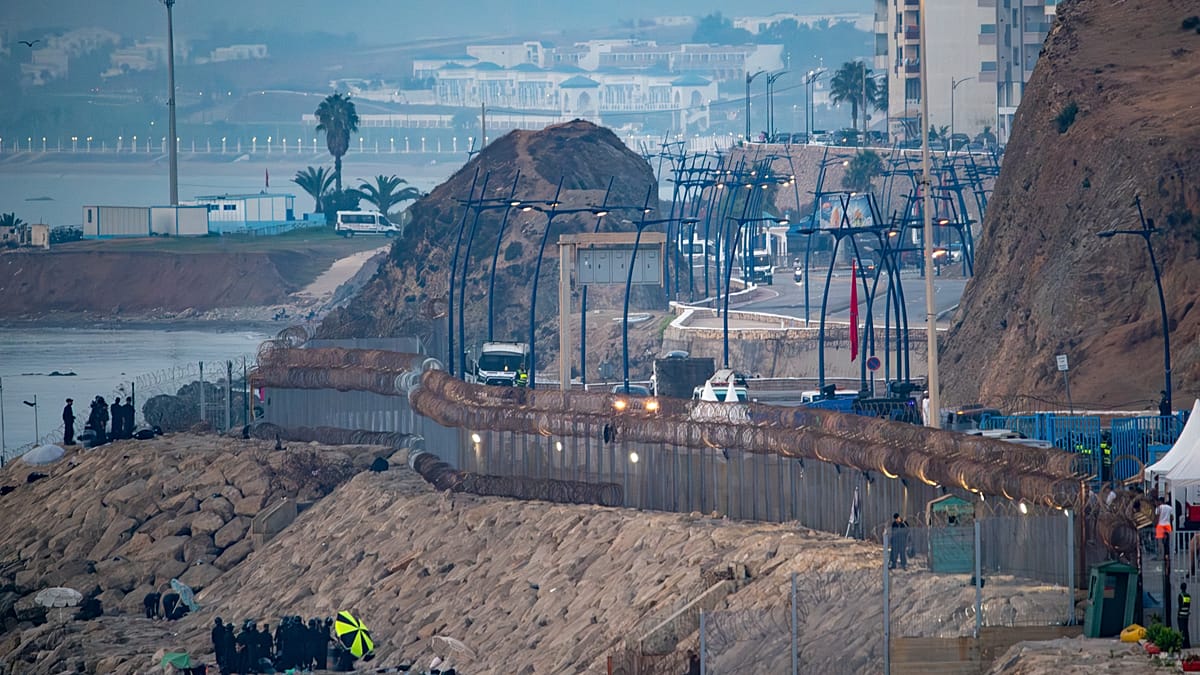
EU interior ministers are meeting in Luxembourg today to finalize the contentious Migration and Asylum Pact. Diplomats report that southern member states, particularly Italy and Greece, are pushing for stronger burden-sharing mechanisms, while northern countries like Denmark and the Netherlands remain cautious about mandatory relocation quotas. The debate has reignited familiar fault lines, with the Visegrád Group – Poland, Czechia, Slovakia, and Hungary – reiterating their opposition to binding solidarity measures.
European Commission President Ursula von der Leyen is expected to address the ministers, urging a compromise ahead of the October European Council summit. "We cannot afford another year of stalemate," she said in a prepared statement. "Europe needs a predictable and humane system that respects both our values and our capacities."
Economic Outlook: Inflation Eases, But Growth Concerns Linger
Eurostat released its preliminary inflation figures for September this morning, showing a slight easing to 2.3% year-on-year, down from 2.6% in August. The decline is largely attributed to falling energy prices, though core inflation remains sticky at 3.1%. The European Central Bank, which has held rates steady at 3.75% since July, is under pressure from business groups to begin cutting rates as early as December.
Meanwhile, Germany's Ifo business climate index dipped for the fourth consecutive month, signaling that Europe's largest economy may be heading for a mild recession. Analysts point to weak export demand from China and the ongoing energy transition costs as key drags. In contrast, Spain's services sector continues to expand, buoyed by robust tourism – though the late-September heatwave in Lisbon has caught some visitors off guard, with temperatures nearing 38°C.
Disinformation Alarms Ahead of German Elections
With the Bundestag elections just weeks away, German authorities have warned of a surge in AI-generated disinformation targeting voters. A pro-Russian network spreading fake ballot fraud videos has been identified by cybersecurity researchers, who say the clips are designed to undermine confidence in the electoral process. Similar tactics have been observed in other member states, raising concerns about cross-border interference.
The European External Action Service has activated its Rapid Alert System, and social media platforms are cooperating with fact-checkers to label and remove manipulated content. "We are seeing an unprecedented scale of automated disinformation," said a spokesperson for the EU's cybersecurity agency ENISA. "Citizens should verify information through official sources."
Cultural Highlights: Venice Film Festival Wraps Up
In culture, the 83rd Venice Film Festival concluded last night with the Golden Lion awarded to French director Claire Denis for her haunting drama Les Ombres du Temps. The jury, led by Italian actress Alba Rohrwacher, praised the film's "visceral exploration of memory and loss." The festival also saw strong showings from Eastern European cinema, with a Romanian documentary about post-communist identity winning the Grand Jury Prize.
Meanwhile, in Paris, the Musée d'Orsay opened a major retrospective of the Impressionist painter Berthe Morisot, featuring over 150 works from collections across Europe and the United States. The exhibition, which runs until January, is expected to draw record crowds.
Security and Health Briefs
On the security front, NATO announced a new rapid-response exercise in the Baltic region, involving troops from Estonia, Latvia, Lithuania, and Poland. The drills, code-named Baltic Sentinel, are designed to test alliance readiness in the face of hybrid threats.
In health, the European Medicines Agency approved a new mRNA vaccine targeting the seasonal flu and COVID-19 in a single shot, developed by a consortium of European biotech firms. The vaccine is expected to be available in member states by November, ahead of the winter respiratory season.
For a broader look at the day's developments, our midday bulletin from earlier this week covered the ongoing debates over AI regulation and the latest on the energy crisis. And as the continent braces for a weekend of mixed weather – with the Portuguese heatwave contrasting with cooler, rainy conditions in the north – we'll keep you updated throughout the day.