This Tuesday, NATO leaders gather in Ankara for their annual summit, where a pre-negotiated statement will reaffirm the alliance's 32-member commitment to collective defence under Article 5. Yet behind the unified rhetoric, a deeper tension persists: Europe is spending record amounts on defence, but the United States still holds the strategic keys.
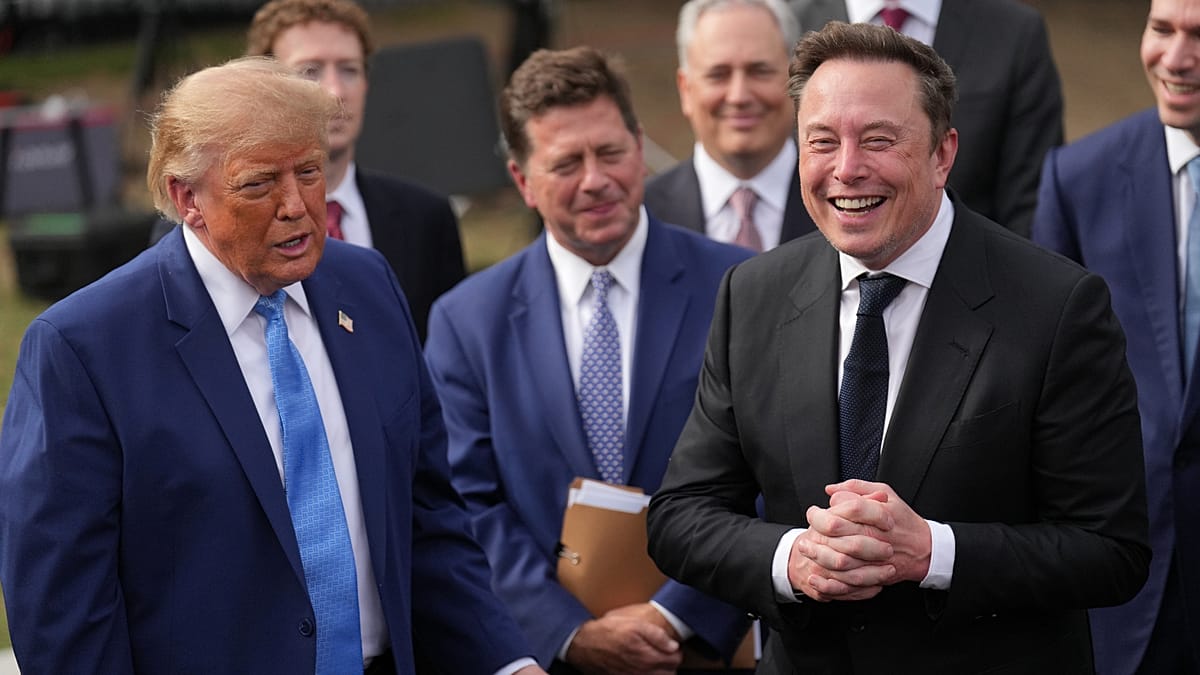
Former President Donald Trump, in a Truth Social post last Thursday, accused European allies of abandoning the US during its Iran war and called the transatlantic relationship 'ridiculous.' While Trump's tone is characteristically blunt, the numbers tell a more complex story.
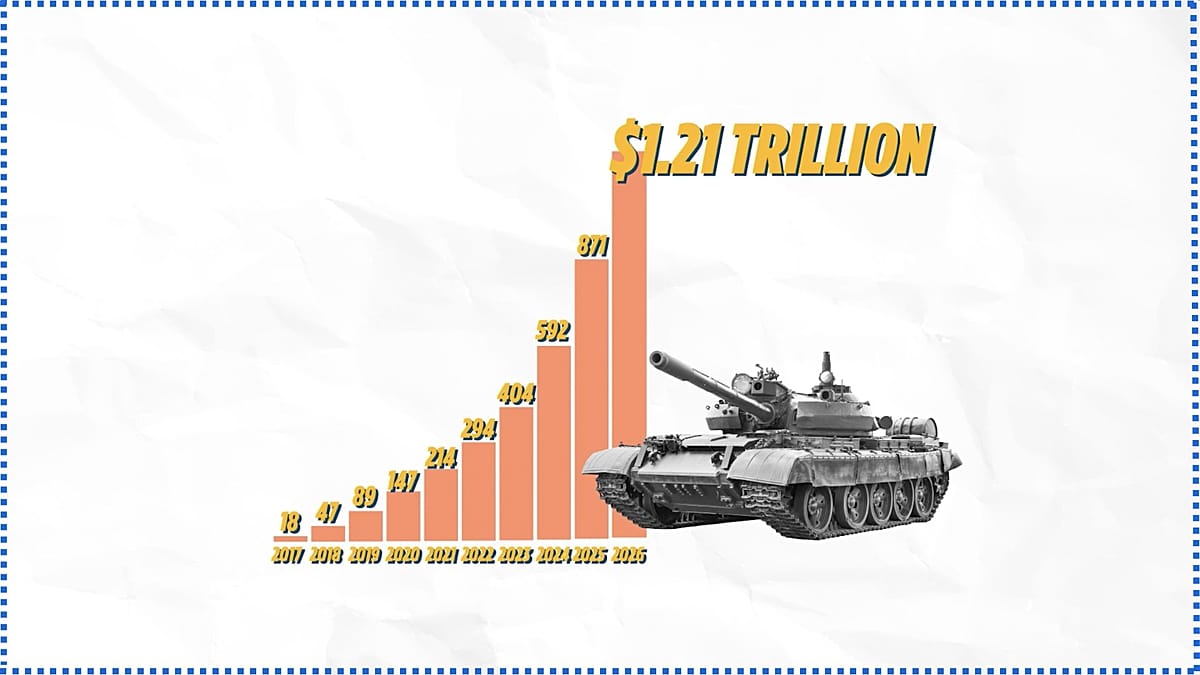
According to NATO data, core defence spending across Europe and Canada has surged by 20% year-on-year, with an additional $258 billion injected over the past two years. NATO Secretary General Jens Stoltenberg has noted that allies have spent a cumulative $1 trillion on defence since Trump's first administration, coining the term 'The Trump Trillion' to acknowledge the US pressure that spurred the increase. Allies have even pledged to reach a 5% GDP defence target by 2035, aiming for what some call 'NATO 3.0.'
However, this financial commitment does not translate into strategic autonomy. A significant portion of European defence spending flows directly to US defence contractors, yet Washington is simultaneously shrinking its wartime resource pool and withholding key assets—long-range bombers, fighter jets, submarines, and warships—from European command. US Ambassador to NATO Matthew Whitaker has warned that Europeans cannot 'freeride' on American taxpayers.
The real leverage, though, lies in artificial intelligence. The US controls a near-monopoly on next-generation military AI models, such as Claude Mythos, treating them as tactical weapons. Strict export bans mean that Washington decides which ally receives digital protection and which is left behind. This asymmetry undermines the very principle of collective defence that NATO champions.
European leaders, including German Chancellor Olaf Scholz and French President Emmanuel Macron, have long called for greater European strategic autonomy, but progress remains slow. The Ankara summit is expected to address these concerns, with Baltic leaders pushing for stronger deterrence on the eastern flank. Meanwhile, Ukraine is pressing for immediate air defence deliveries, as the war with Russia continues to drain resources.
As Merz and Baltic leaders pledge stronger NATO deterrence ahead of the Ankara summit, the underlying question remains: can Europe buy its way to security, or is it merely funding its own dependence? The answer may determine the future of the alliance.
In a separate development, Trump held separate calls with Zelenskyy and Putin on US Independence Day, signalling his continued influence over transatlantic security dynamics. For Europe, the message is clear: spending a trillion dollars does not guarantee permanent American protection.