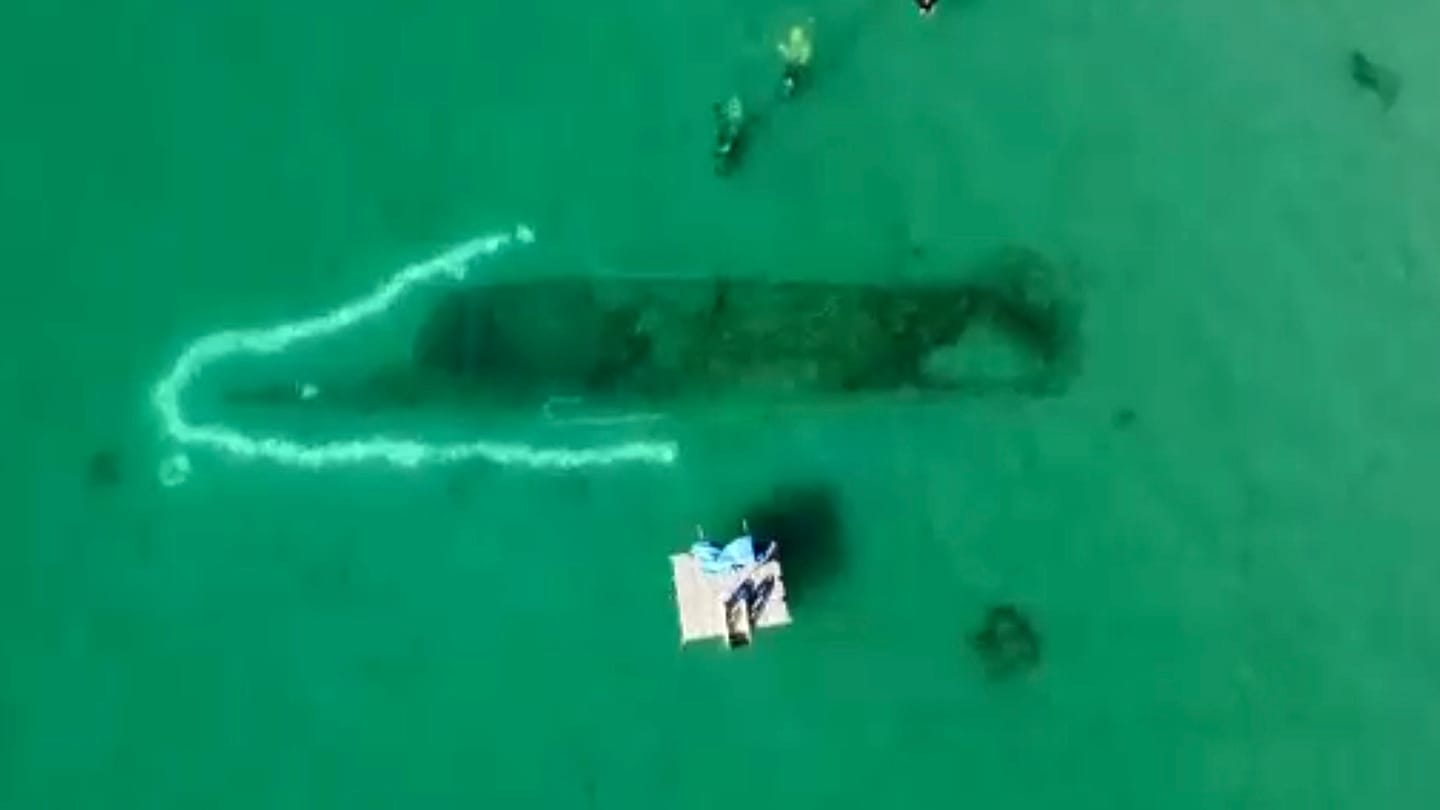
A comprehensive survey of the Bay of Gibraltar has uncovered more than 150 archaeological sites, including over 130 shipwrecks, shedding light on centuries of maritime activity in one of Europe's busiest waterways. The research, led by a team from the University of Cádiz and the Gibraltar National Museum, combines sonar mapping, underwater photography, and archival research to document the submerged heritage.
A Crossroads of Civilizations
The Bay of Gibraltar, straddling the waters between Spain and the British Overseas Territory of Gibraltar, has long been a strategic chokepoint for trade, migration, and military campaigns. The newly catalogued sites date from the Phoenician and Roman eras through the medieval period to the 20th century, including vessels from the Spanish Armada, British warships, and merchant vessels from across Europe.
“This is not just a collection of wrecks; it is a timeline of European maritime history,” said Dr. María del Carmen García, the project lead at the University of Cádiz. “Each ship tells a story of trade routes, conflicts, and the daily lives of sailors who crossed these waters.”
Among the most notable finds are a Roman cargo ship carrying amphorae from the Guadalquivir valley, a 16th-century Spanish galleon, and a 19th-century British steamship. The team also identified several 20th-century wrecks, including a German U-boat from World War I and a merchant vessel sunk during the Spanish Civil War.
Preserving Underwater Heritage
The Bay of Gibraltar is not only a historical treasure trove but also a busy shipping lane and a popular area for fishing and tourism. The researchers emphasize the need for protective measures to safeguard these sites from looting, trawling, and development. “These wrecks are part of Europe’s shared cultural heritage,” said Prof. James Smith of the Gibraltar National Museum. “We must ensure they are preserved for future generations, not just as archaeological sites but as monuments to our collective past.”
The survey also highlights the environmental significance of shipwrecks, which often become artificial reefs supporting marine biodiversity. This echoes findings from other European waters, such as the deepest whale graveyard discovered in the Indian Ocean, which revealed ancient ecosystems. In the Bay of Gibraltar, the wrecks host colonies of corals, sponges, and fish, adding an ecological dimension to their historical value.
Broader European Context
The discovery comes amid growing interest in underwater archaeology across Europe. Similar projects have mapped wrecks in the Baltic Sea, the Mediterranean, and the North Sea, often revealing connections between different regions. For instance, the excavations beneath Notre-Dame in Paris uncovered layers of Roman and medieval history, showing how urban and maritime archaeology can complement each other.
The Bay of Gibraltar survey also underscores the geopolitical importance of the Strait of Gibraltar, a narrow passage that has controlled access between the Atlantic and the Mediterranean for millennia. The wrecks reflect the shifting powers that have dominated the region: from the Roman Empire to the Islamic caliphates, from the Spanish Habsburgs to the British Empire.
“This is a microcosm of European history,” added Dr. García. “The ships here came from all over the continent—from the Baltic to the Black Sea—and their remains are a testament to the interconnectedness of European peoples.”
The team plans to continue the survey and hopes to create a public database and virtual tours of the sites. They also call for international cooperation to protect underwater heritage, noting that many wrecks lie in waters claimed by both Spain and the UK. “History does not respect modern borders,” said Prof. Smith. “We need a joint effort to preserve these treasures for all Europeans.”