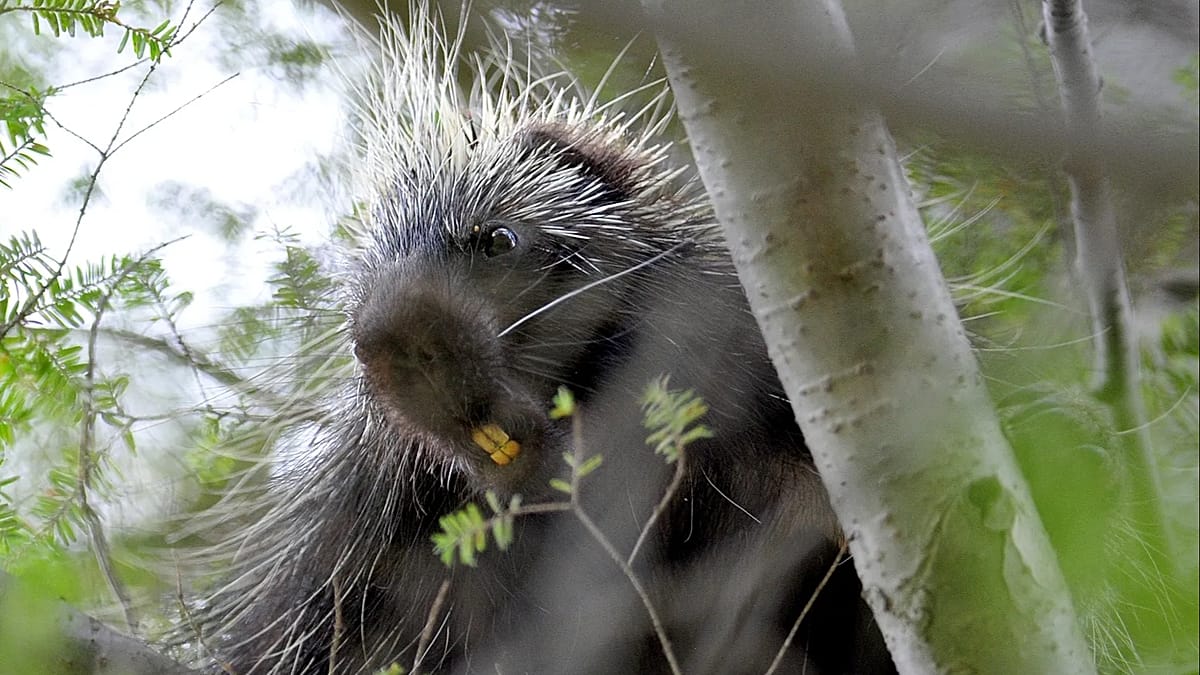
Residents of Mazovia, the region surrounding Warsaw, have been encountering an unexpected visitor in recent days: the porcupine. On 14 August, a homeowner in the commune of Leoncin, east-central Poland, reported that a porcupine had first sampled the garden plants and, while the owner was alerting authorities, managed to get into the house. The property owners were surprised, as such animals are not native to Poland.
The incident follows a similar sighting on 11 August in Łomianki, a town just north of Warsaw, where the first porcupine was captured. A second animal was later found elsewhere in Mazovia. Both were taken to a veterinarian, who confirmed they were in good health. According to the foundation "Kopytka z nadzieją," which cares for wild and farm animals, a total of three porcupines are believed to be on the loose, most likely all from the same owner.
Search continues in Warsaw's Bemowo district
The foundation told local broadcaster TVP3 Warszawa that searches are ongoing for the third porcupine, last spotted in Warsaw's Bemowo district, about 2–3 kilometres from Fort Bema. As of 15 August, the animal had not been found. The foundation is asking residents to check courtyards, green areas, and other potential hiding spots.
Porcupines are large rodents known for their long, sharp quills, which they use to defend against predators. They are native to parts of Africa and Asia, and do not occur naturally in the wild in Poland. However, some are kept as exotic pets or by private breeders. Experts believe the animals now roaming near Warsaw escaped from such a breeder.
Some porcupines have also been seen near the Kampinos Forest, a national park just outside the capital. The Kampinos National Park reported a similar appearance last year, alongside sightings of Vietnamese pot-bellied pigs. Both the foundation and the park are urging people not to attempt to catch a porcupine on their own. When threatened, the animal can defend itself, and its quills can cause serious injury to humans and dogs.
The presence of exotic animals in Poland is often linked to private breeding. Experts point out that animals frequently escape from such facilities due to inadequate conditions or because they are not suited to life in captivity. In some cases, owners release them when they can no longer care for them.
This incident comes amid broader concerns about wildlife management in Europe. As urban areas expand into natural habitats, encounters with wild animals are becoming more common. In Poland, authorities are working to track and safely capture the porcupines, while reminding the public to keep a safe distance.
For those interested in how European households are adapting to environmental changes, Europe's energy shift offers a look at grassroots initiatives. Meanwhile, the region's vulnerability to climate-related events is highlighted by Belgium's largest wildfire on record and Etna's prolonged eruption.
As the search continues, local authorities advise residents to report any porcupine sightings to the foundation or the national park, and to avoid direct contact. The animals are not aggressive unless provoked, but their quills are a formidable defense.