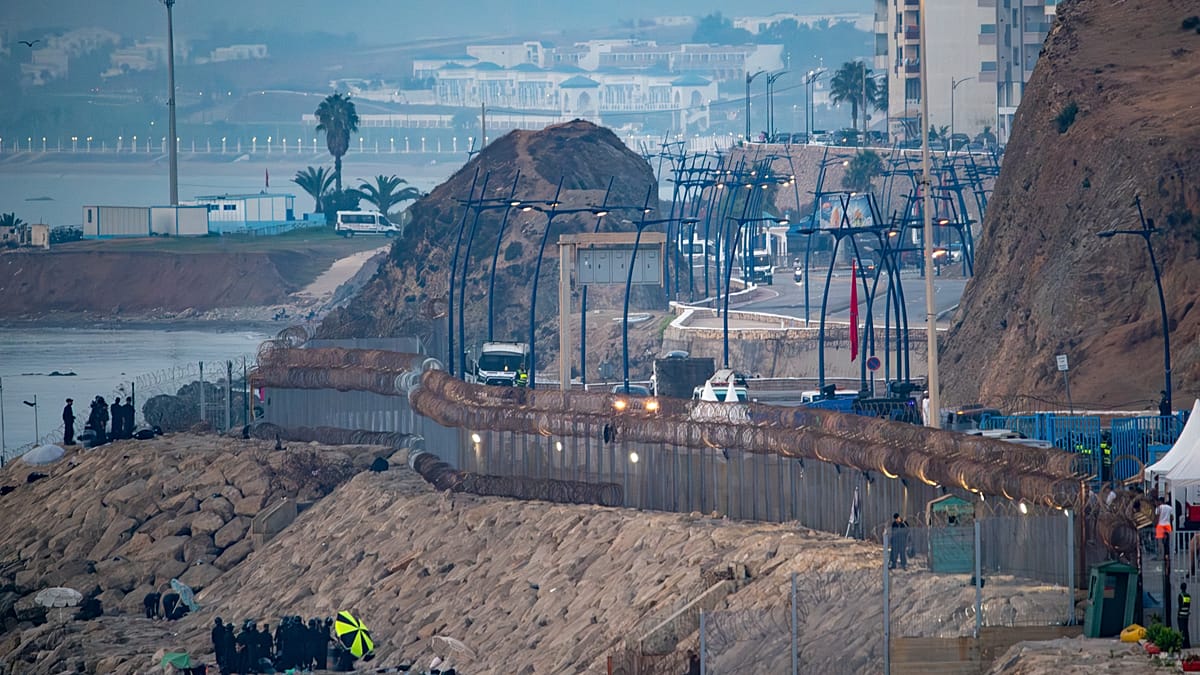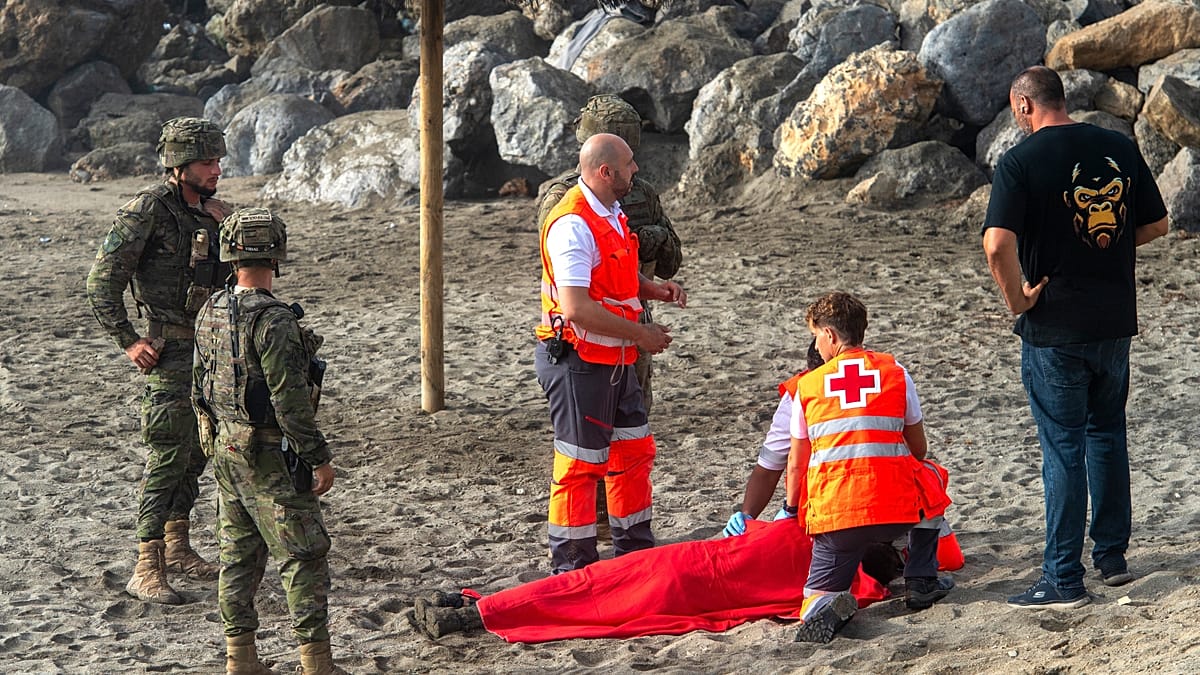
The Red Cross has become the target of a wave of false and misleading social media posts about its work during the migration crisis in the Spanish enclave of Ceuta, on Morocco's northern coast. The claims, which have spread rapidly online, accuse the charity of helping to move Moroccan men to the Spanish mainland and of prioritising migrants over Spanish citizens.
Spanish Prime Minister Pedro Sánchez has pointed the finger at foreign actors. In a radio interview with Cadena Ser on Monday, he said research by the EU's diplomatic service indicated that Russian and Israeli networks were behind the surge in fake posts. He also blamed "the international far right," which he said uses migration to "attack not just Spain, but also Europe." Both Russia and Israel have denied the allegations.
The crisis began in late July when more than 72,000 people crossed from Morocco into Ceuta in just two days—an unprecedented influx that left at least 100 dead and plunged the territory into a humanitarian and political emergency. Thousands remain in the enclave; the Spanish government puts the number at around 5,000, while local estimates are higher. Overcrowding, protests across Spain, and sporadic violence have kept the pressure on.
One viral video, shared more than 13,000 times, supposedly showed men being transferred from Ceuta to mainland Spain. Some users claimed that measures to relocate unaccompanied minors were being abused. But the footage, recorded on El Trampolín beach in Ceuta, actually shows the Red Cross distributing food to around 2,000 migrants. Other footage, published earlier by Spanish news agency Europa Press, shows the same scene from a different angle on 3 August.
False accusations of neglect
Other posts have accused the Red Cross of assisting migrants while ignoring Spanish citizens affected by wildfires. Thousands of hectares have burned across Spain and other parts of Europe this summer, fuelled by climate change and record-breaking heatwaves. One user claimed to have seen no evidence of Red Cross personnel helping fire victims. Others alleged that Spanish taxpayer money was being used to feed migrants rather than help citizens.
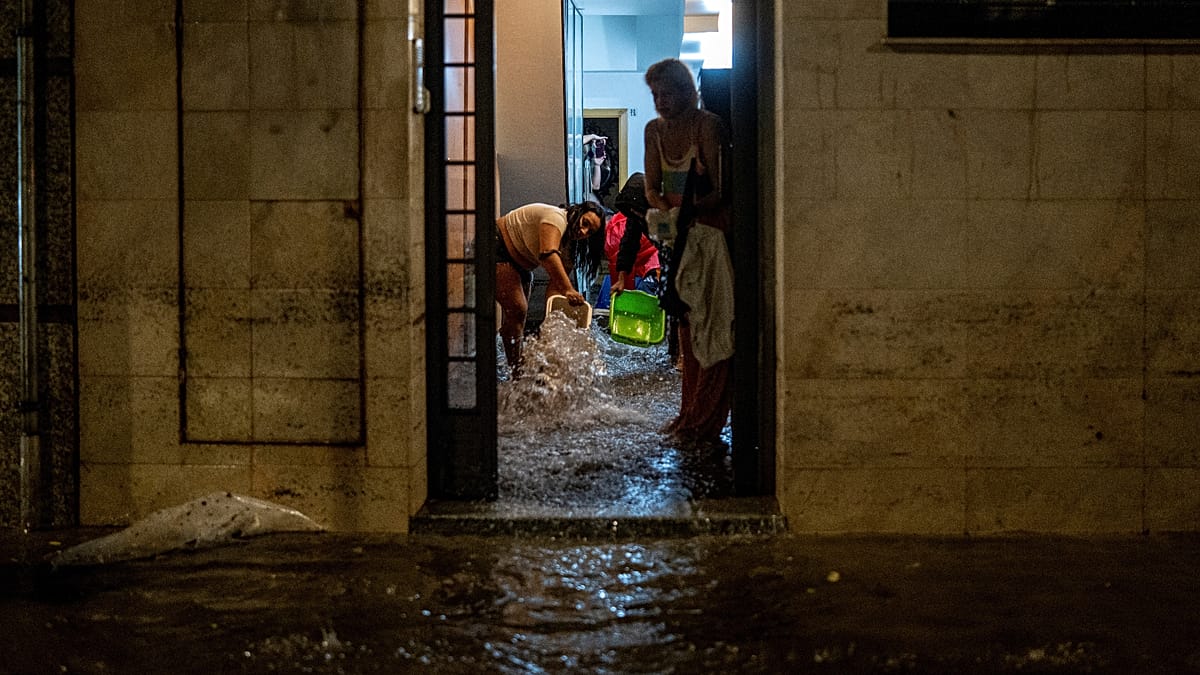
Further claims suggested the Red Cross also ignored the victims of the 2024 DANA floods, which killed more than 220 people and caused billions of euros in damage. Critics alleged that NGOs only appeared "when the cameras were already there," but that they "work like a Swiss watch" when it comes to migrants.
However, the Red Cross's own records show it operated during both emergencies. By 24 August, it had mobilised more than 938 staff and volunteers as fires ravaged the Iberian Peninsula, provided assistance nearly 6,900 times, and given temporary accommodation to more than 5,600 people. In the aftermath of the 2024 floods, it reported having assisted more than 143,000 people by the first anniversary of the disaster, through emergency relief and longer-term recovery programmes.
Another set of posts claimed that pressure from residents had forced the Red Cross to leave Ceuta and stop assisting migrants. Protesters did temporarily block its vehicles on 27 August, but local reports show the convoy reached El Trampolín using an alternative route and completed its food distribution.
The disinformation comes as Spain's government faces intense scrutiny over its handling of the crisis. A leaked police report alleging Moroccan involvement in the surge has deepened the political fallout, and Sánchez is set to face parliament as the situation evolves. The Red Cross, for its part, continues to provide food and water to migrants who swam around or climbed the fences from Morocco.
For a broader perspective on the security implications, see Europe's new security era and the right-wing backlash against Sánchez.