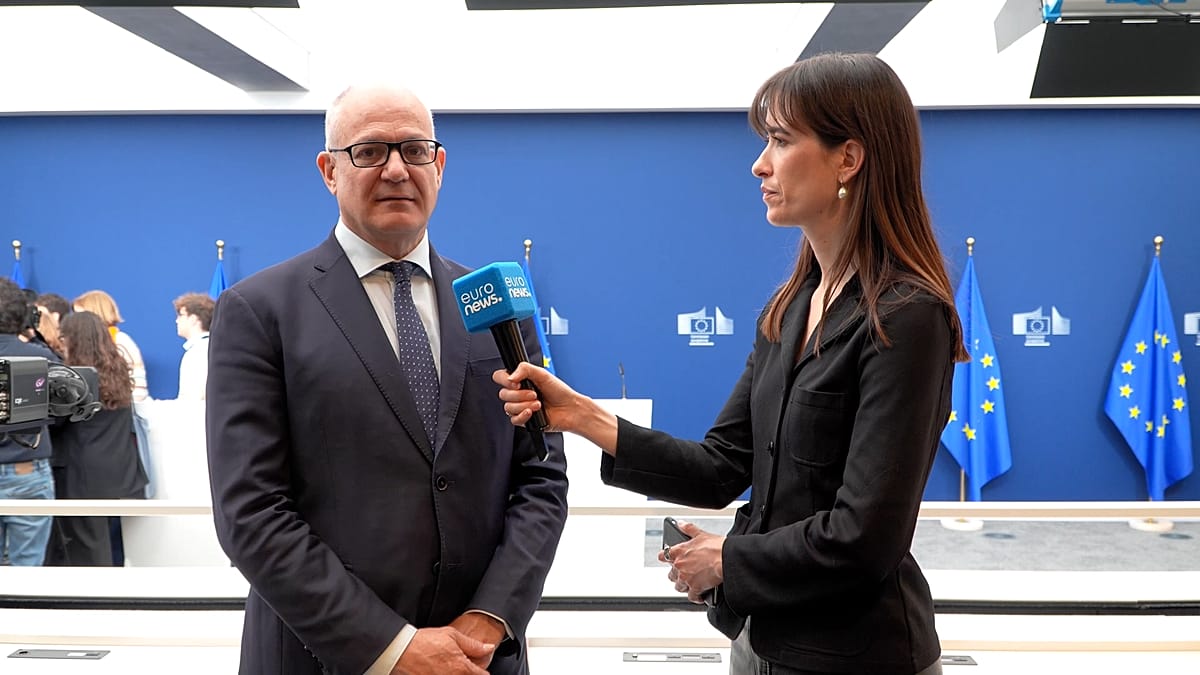
Rome's mayor, Roberto Gualtieri, has described the housing crisis gripping European cities as an 'emergency,' warning that affordable housing is no longer guaranteed as a core component of the European social model. His remarks come as a coalition of mayors from across the continent prepares for a high-level meeting with the European Commission and Parliament in Brussels.
Speaking to Euronews, Gualtieri stressed that the crisis demands urgent political action. 'Affordable housing isn't anymore one of the four pillars of the European social model,' he said, pointing to rising rents, a shortage of social housing, and the growing precarity faced by young people and families in cities like Rome, Paris, Berlin, and Warsaw.
Mayors Demand EU Action
The coalition, which includes mayors from capitals and major cities across the EU, aims to push housing higher up the European agenda. They argue that national governments and EU institutions have neglected the issue for too long, leaving local authorities to bear the brunt of the fallout. The meeting with Commission officials and MEPs is expected to focus on funding mechanisms, regulatory reforms, and the need for a coordinated European strategy.
Gualtieri, a former Italian economy minister, is no stranger to EU-level negotiations. His call for a renewed focus on housing echoes broader concerns across the bloc. In cities like Lisbon, Amsterdam, and Vienna, housing costs have soared, pushing low- and middle-income residents to the outskirts or into precarious living conditions. The crisis has also fueled political instability, with housing emerging as a key issue in recent elections in Germany, France, and the Netherlands.
The mayor of Rome highlighted that the problem is not merely economic but also social and demographic. 'When young people cannot afford to live in the city where they work or study, we are failing the next generation,' he said. He also noted that the crisis disproportionately affects women, migrants, and single-parent households.
The European Commission has acknowledged the severity of the issue but has so far stopped short of proposing binding legislation. Instead, it has encouraged member states to use existing EU funds, such as the Recovery and Resilience Facility, to invest in affordable housing. Critics argue that this approach is insufficient and that the EU must do more to coordinate national policies and set minimum standards.
Meanwhile, the mayors' coalition is also looking at innovative solutions. Some cities have experimented with rent controls, public-private partnerships, and the conversion of vacant commercial properties into residential units. In Vienna, a long-standing policy of municipal housing has kept rents relatively stable, but even there, pressures are mounting as the city's population grows.
The meeting in Brussels comes at a time when the EU is grappling with multiple crises, from the energy shock triggered by the war in Ukraine to the ongoing cost-of-living squeeze. The OECD has estimated that mental health issues cost European economies €76 billion annually, a figure that is likely exacerbated by housing insecurity. Similarly, the EU has relaxed state aid rules to shield businesses from the Middle East-driven energy crisis, but no such flexibility has been extended to housing.
Gualtieri's warning is a stark reminder that the European social model, which once guaranteed affordable housing as a right, is under threat. Whether the mayors' coalition can translate its urgency into concrete EU action remains to be seen, but the clock is ticking for millions of Europeans struggling to keep a roof over their heads.