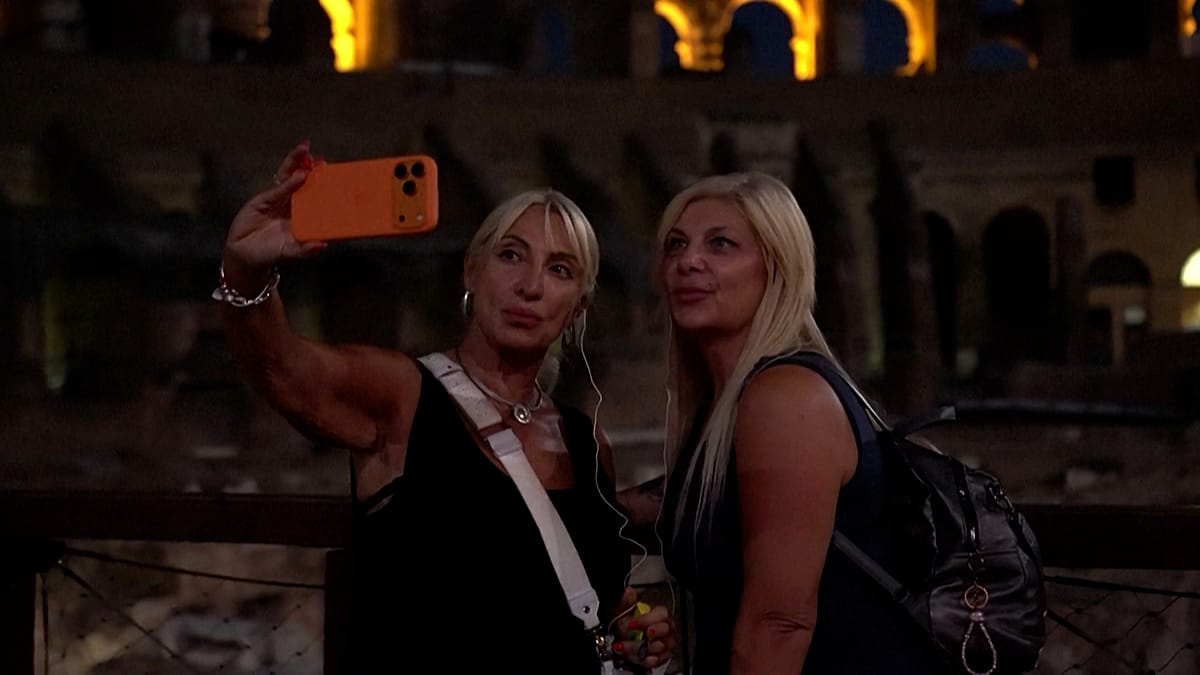
As southern Europe swelters under repeated heatwaves, Rome's Colosseum has extended its evening opening hours, allowing visitors to explore the ancient amphitheater under the stars. The monument now stays open until late four nights a week, with tours that have been fully booked since the start of the season.
The move is a practical response to daytime temperatures that have regularly exceeded 35°C in the Italian capital. By shifting some visitor traffic to the cooler evening hours, the Colosseum aims to ease the strain on both tourists and staff, while offering a more atmospheric experience of one of the world's most iconic landmarks.
A cooler, more magical visit
Evening tours run from 8:30 PM to midnight, allowing visitors to walk through the Colosseum's corridors and arena floor without the scorching sun. The lighting is softer, the crowds are thinner, and the ancient stones take on a different character after dark. "It's a completely different place at night," said one tour guide. "You can almost hear the echoes of the gladiators."
The extended hours are part of a broader trend across Europe, where heritage sites are adapting to the realities of climate change. In France, for example, thermal comfort is becoming a key factor for homebuyers, and in Italy, the heat is even affecting the production of Parmigiano cheese, as cheese banks struggle to maintain the right conditions.
The Colosseum's night tours are not entirely new—they were introduced in previous summers—but the scale has been expanded this year. Four nights a week, the monument opens its gates to a limited number of visitors, with tickets priced at €25. The response has been overwhelming, with slots selling out within hours of release.
Heatwaves and tourism
The initiative comes as repeated heatwaves across Western Europe strain water supplies, health systems, and economies. In Rome, the municipal authorities have activated heat plans, opening air-conditioned public spaces and distributing water to vulnerable residents. The tourism sector, a vital part of the city's economy, is also adapting.
"We've seen a clear shift in visitor behavior," said a spokesperson for the Colosseum's management. "People are looking for ways to enjoy the city without suffering from the heat. The night tours are a perfect solution."
The trend is not limited to Rome. Across the continent, tourist guides are demanding action as heatwaves turn deadly, with some cities considering mandatory rest breaks and shaded routes for guided tours. In Athens, the Acropolis has also introduced evening openings, and in Madrid, the Royal Palace has extended its hours.
For visitors, the night tours offer a unique perspective on the Colosseum's history. The monument, which dates back to 80 AD, was the site of gladiatorial contests and public spectacles. Under the moonlight, the arena floor seems to come alive, and the tiers of seating, once filled with up to 50,000 spectators, take on a haunting beauty.
The extended hours are also a boon for the local economy. Restaurants and bars near the Colosseum report increased business in the evening, as tourists linger longer in the area. "It's a win-win," said a café owner near the monument. "The tourists get a better experience, and we get more customers."
As the summer progresses, the Colosseum's management says it will monitor demand and may extend the night tours into September if the heat persists. For now, the message is clear: Rome's ancient wonder is open for business, even after the sun goes down.