US Secretary of State Marco Rubio sought to calm public anxiety on Wednesday, insisting that authorities have found no connection between a series of recent technology outages that have disrupted air travel, banking, and government communications. Speaking on the sidelines of a Southeast Asia summit in Manila, Rubio said there was “zero evidence” that the incidents were related or the work of “nefarious actors.”
“The first thing I want to make very clear is that we have zero evidence whatsoever, we have no indication, no evidence, and no reason to believe at all that any of these incidents are related to each other,” Rubio told reporters. He added that there was also no reason to suspect “cyber hackers, criminals, another nation state, or a malign actor of any kind.”
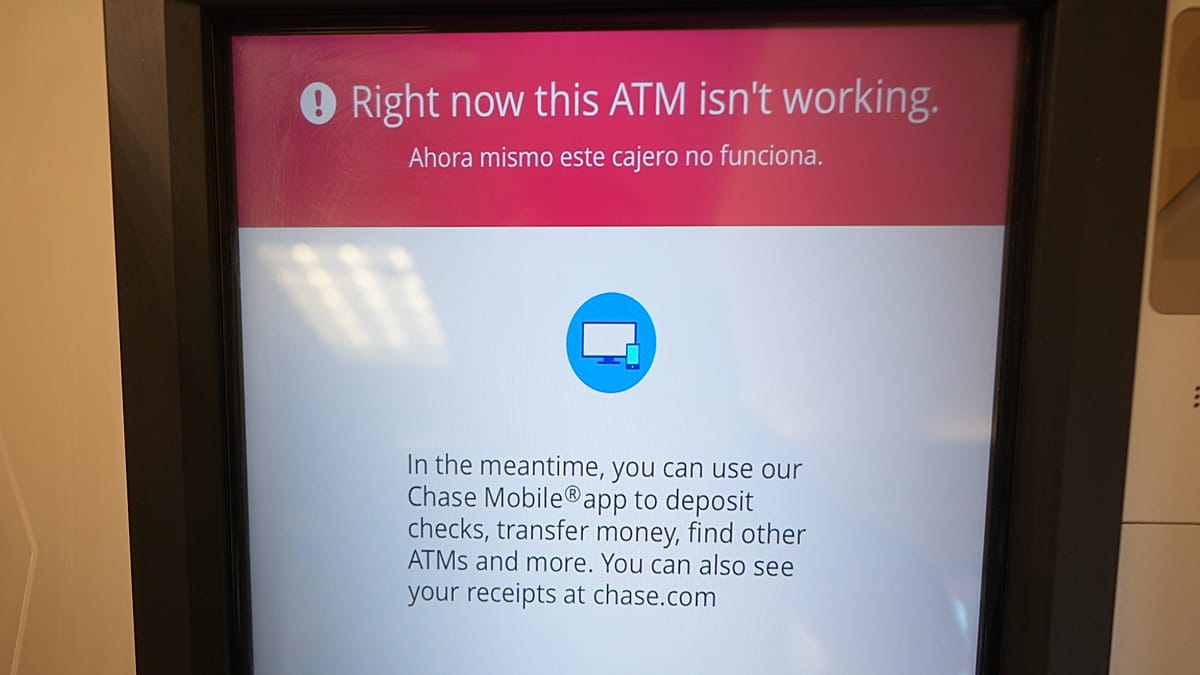
The remarks come after a week of high-profile failures: a nationwide ground stop on Friday that halted all US flight departures for several hours, a major Microsoft outage affecting Outlook and Teams users globally, and disruptions to banking apps and online portals at several large financial institutions. On Tuesday, the National Security Agency (NSA) acknowledged that its top-secret internal communications network had suffered “temporary degradation during scheduled routine maintenance,” though it insisted its capabilities remained operational.
Rubio, who is travelling with President Donald Trump, emphasised that the growing reliance on technology naturally increases vulnerabilities. “The more technology becomes embedded into our everyday lives, the more the vulnerabilities become real,” he said. He drew a comparison to bank robberies: “There was a time when people used to physically go in with masks and guns and rob banks. Now they can do it from behind a computer screen halfway around the world and every major economy in the world is facing that same challenge.”
The Trump administration has repeatedly sought to reassure the public. Homeland Security Secretary Markwayne Mullin told CNBC: “I can tell you with complete certainty that we are not under attack. There’s no cyber threat that’s taking place. The homeland is very secure.”
However, the administration has attributed the air travel chaos to outdated equipment, a explanation that has drawn criticism from the Democratic Party, which won decisively in the midterm elections earlier this month. Hakeem Jeffries, a top Democrat in Congress, said: “We’ve had the Microsoft incident, then we had the nationwide ground stop. Now we have concerns as it relates to highly classified servers over at the NSA.” He called for the administration to brief Congress on the incidents.
European perspective on tech resilience
While the outages have been centred in the United States, they carry implications for Europe, where many companies and governments rely on the same cloud providers and software platforms. The Microsoft outage, for instance, affected users across the continent, and European airlines and airports have experienced similar disruptions in the past. The US ground stop also had knock-on effects for transatlantic flights, stranding passengers in European hubs such as London Heathrow, Frankfurt, and Paris Charles de Gaulle.
European cybersecurity officials have long warned about the risks of over-reliance on a handful of tech giants. The European Union has been pushing for greater digital resilience through initiatives like the Cyber Resilience Act, which aims to ensure that connected products meet higher security standards. The recent US incidents are likely to reinforce calls for more robust contingency planning and investment in homegrown alternatives.
For European travellers, the disruptions serve as a reminder of the fragility of modern air travel. Airports across Europe have been working to improve communication during such crises, but the scale of the US ground stop showed how quickly problems can cascade across borders.
As the US investigates the root causes of the outages, European observers will be watching closely. The NSA incident, in particular, raises questions about the security of even the most sensitive communications networks. While Rubio’s reassurances may calm some nerves, the sheer number of failures in a short period has led to calls for greater transparency and accountability.
For now, the administration maintains that the incidents are isolated and not the result of malicious activity. But with the midterm elections having shifted the political landscape, pressure is mounting for a fuller explanation. As Jeffries put it: “I think it’s time for the administration to come up to the Hill and explain themselves, so we can be informed about the steps that need to be taken and we can inform the people of the United States of America.”