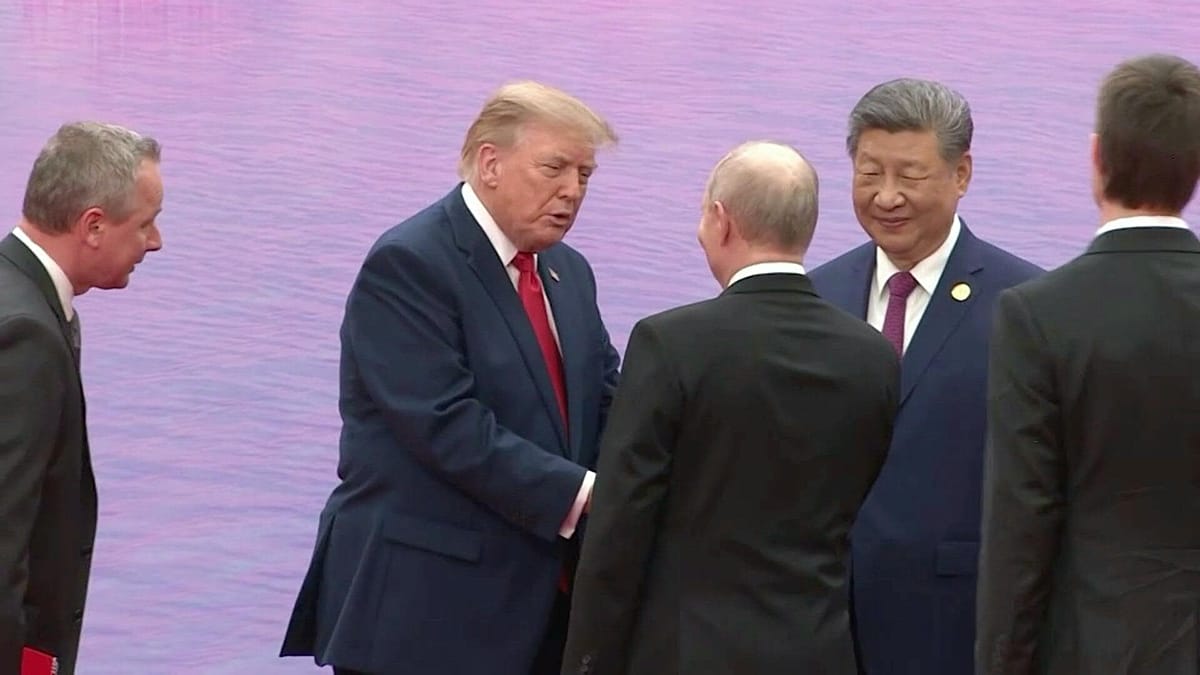
US President Donald Trump and Russian President Vladimir Putin shook hands in Shenzhen on Wednesday, marking their first face-to-face encounter since August 2025. The meeting sets the stage for an unprecedented trilateral summit with Chinese President Xi Jinping, scheduled for Thursday.
Trump arrived in the southern Chinese tech hub to a lavish welcome orchestrated by Beijing, complete with a red carpet, a military honour guard, and crowds of cheering onlookers. The display underscored the significance China attaches to the gathering, which brings together the leaders of the world's three largest military powers for the first time in a formal trilateral format.
A summit with global stakes
The three leaders are expected to tackle a broad agenda, including the ongoing war in Ukraine, the conflict in Iran, nuclear proliferation, trade tensions, and the governance of artificial intelligence. Each of these issues carries profound implications for Europe, which has been directly affected by the war in Ukraine and by US-China trade disputes.
European diplomats have been watching the Shenzhen summit with a mixture of hope and apprehension. On one hand, any de-escalation in Ukraine would be welcomed across the continent, where energy prices and security policies have been shaped by the conflict. On the other, a bilateral understanding between Washington and Moscow that sidelines European interests could undermine the transatlantic alliance and the EU's own diplomatic efforts.
"Europe cannot be a bystander in these discussions," said a senior EU official, speaking on condition of anonymity. "The outcomes in Shenzhen will directly affect our security architecture and economic stability."
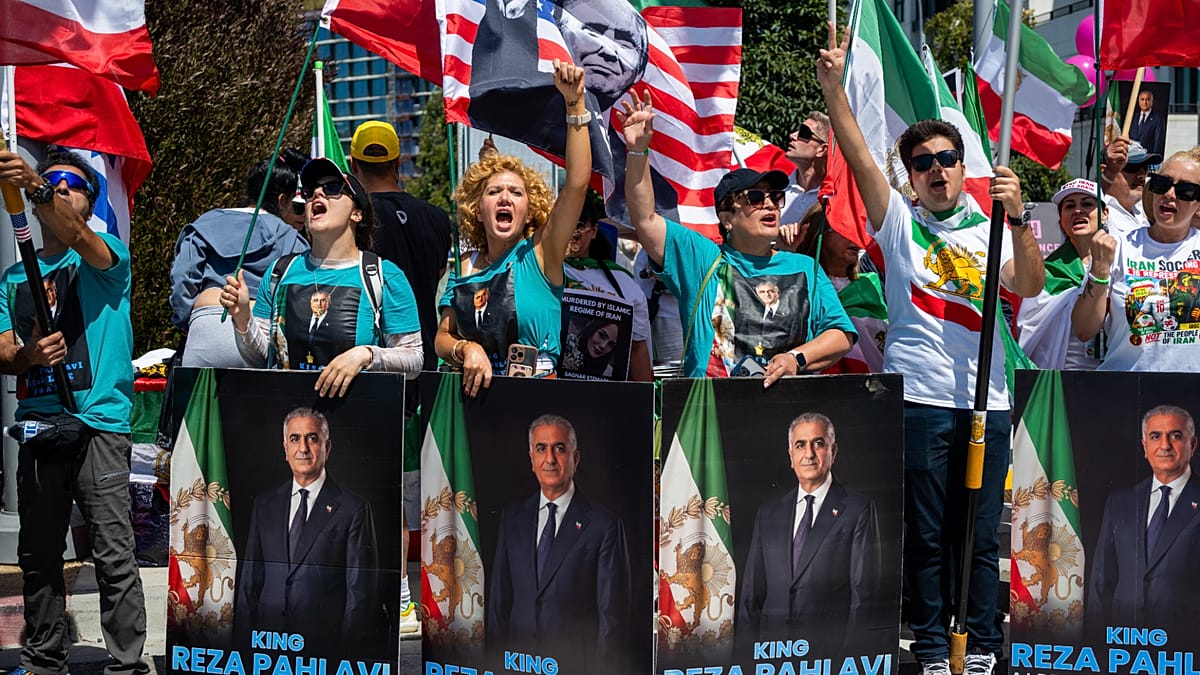
The meeting also comes amid heightened tensions over Iran, following Trump's warning to Tehran over an alleged dirty bomb plot. European signatories to the 2015 nuclear deal have repeatedly called for restraint and for a return to diplomatic channels, but the trilateral dynamic could shift the calculus.
Europe's role in the balance
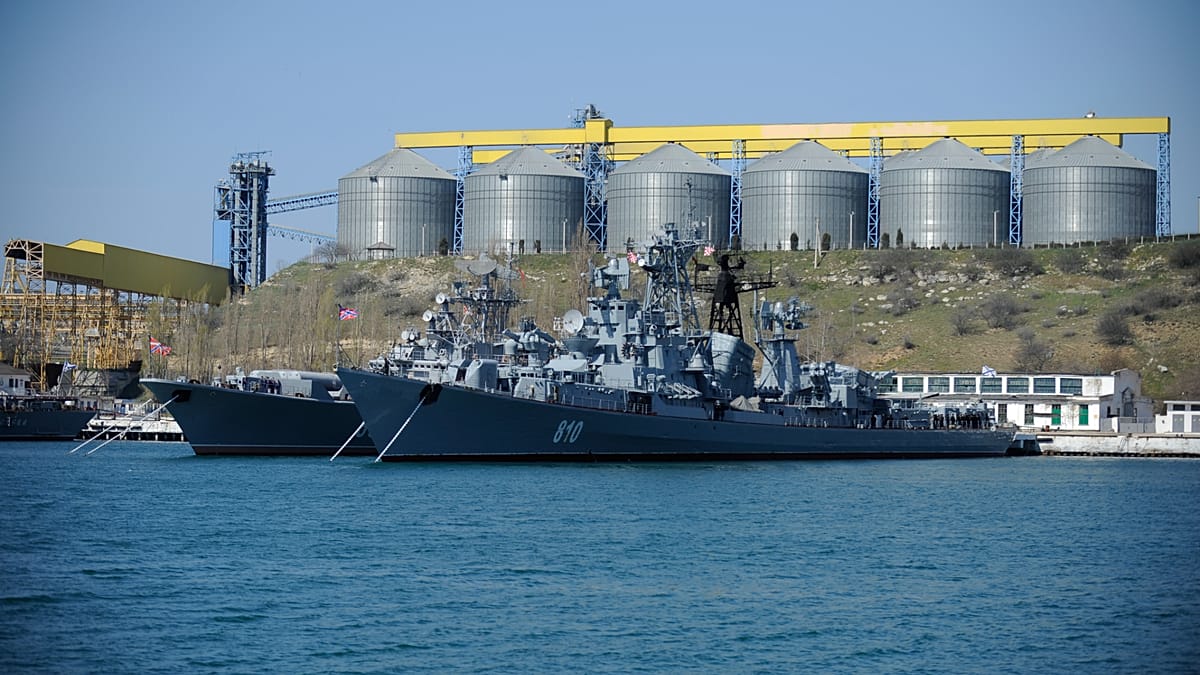
For the EU, the most immediate concern is Ukraine. European leaders have consistently backed Kyiv's territorial integrity and have imposed sanctions on Moscow. Any deal struck in Shenzhen that does not include European participation could be seen as a repeat of the 2025 discussions, which left many in Brussels feeling sidelined.
"We have seen this before," said a former French diplomat now at a Berlin think tank. "When the big powers talk, smaller players often have to scramble to protect their interests. The EU must ensure it has a seat at the table."
The summit also touches on trade, with the EU caught in the crossfire of US-China tariffs and technology export controls. European companies, particularly in the automotive and semiconductor sectors, have been squeezed by the rivalry. The trilateral talks could produce new agreements on market access or technology standards, but the details remain unclear.
Artificial intelligence is another area where Europe has staked out a regulatory path, with the EU's AI Act setting global benchmarks. Any trilateral consensus on AI governance could either complement or undermine those efforts, depending on the outcome.
As the leaders prepare for Thursday's talks, the world will be watching for signs of progress or discord. For Europe, the hope is that the summit will not become another exercise in great-power politics that leaves the continent on the outside looking in.