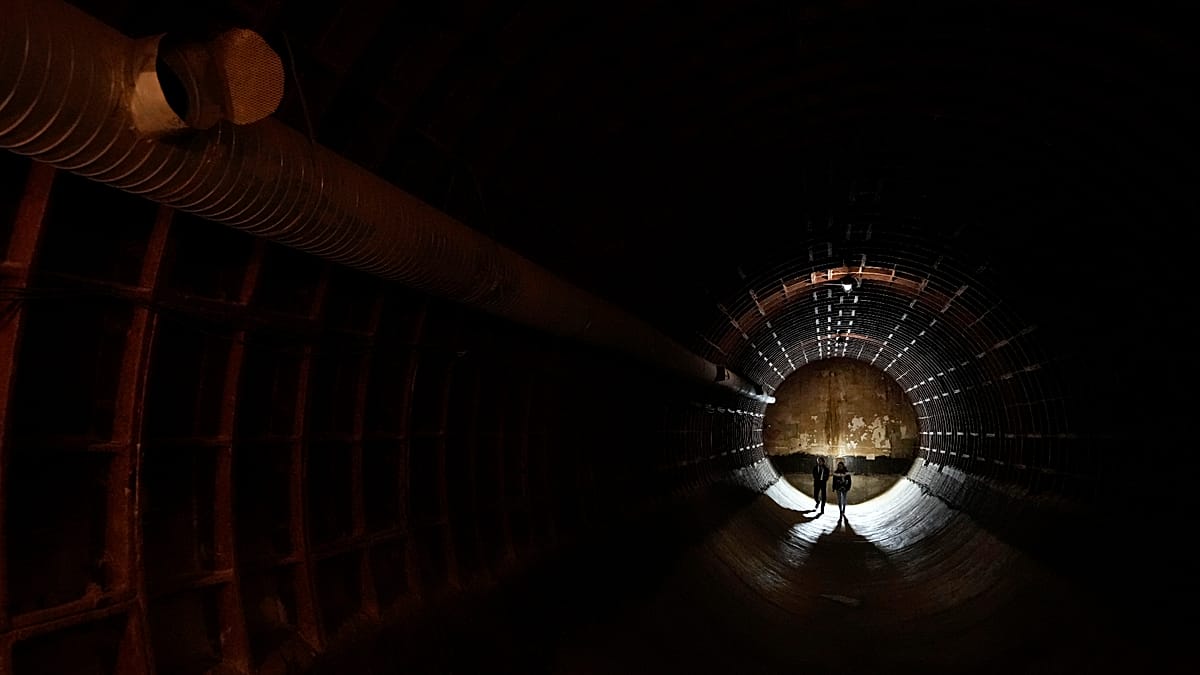
Russian authorities are carrying out a quiet modernisation of civil defence infrastructure in Moscow and St Petersburg, according to state procurement records that point to tens of millions of roubles in unannounced spending. The work is proceeding as Ukrainian drone strikes continue to target Russian territory, including energy facilities.
Documents reviewed by independent Russian media show that 39 million roubles (roughly €400,000) was allocated in early September to restore nine shelters across three districts of Moscow's South-West administrative region. That area hosts numerous research institutes and defence contractors. The contracts cover entrances, internal partitions, doors and utility systems such as water, electricity, sewage, ventilation and communications, with completion set for 30 November.
Additional funds have been earmarked for shelters in Moscow's eastern Novogireyevo district, while a major overhaul is planned in New Moscow for a 1971-built facility that includes its own diesel power station. Earlier in the summer, tenders worth 200 million roubles (about €2 million) were published for repairs to shelters in 17 districts, mainly in the city's eastern section.
St Petersburg metro adapted for civil defence
In St Petersburg, the metro operator launched a contractor search in early September to build bomb shelters at nine stations, four compartments and 35 kilometres of track. The project involves large-scale adaptation of both operating and unfinished stations to civil defence requirements, including air filtration and pressurised air supply systems.
Much of Moscow and St Petersburg's civil defence infrastructure dates from the 20th century. It consists of command bunkers for government and military communications, alongside mass shelters for civilians, including the metro. Recent inventories in St Petersburg found many shelters in need of repair, and a significant share of basement space in residential buildings has passed into private hands.
The quiet upgrades come as Ukraine intensifies long-range strikes on Russian energy and business targets, part of Kyiv's effort to drain funding from Moscow's war machine. On Sunday night, Ukrainian drones struck the Moscow refinery in Kapotnya, halting operations after fires broke out at primary oil processing units, according to reports.
In August, Ukrainian rocket developer FirePoint and former defence minister Mykhailo Fedorov said Ukraine's armed forces could begin striking Moscow with new ballistic missiles by the end of the year. Ukrainian President Volodymyr Zelenskyy has framed the strikes as a matter of pressure and negotiation. "Moscow should not be building layered rings of air defence at the expense of other regions, but ending its brutal war and choosing peace," he said. "There are steps for de-escalation on the table: in energy, in food security. What is needed is political will."
Zelenskyy has taken a de-escalation plan to the UN, even as both sides continue to exchange deadly strikes. Meanwhile, European Union governments have been debating the future of their sanctions regime, with Kyiv warning against political delistings from Russia sanctions that could weaken pressure on the Kremlin.
The contrast with Ukraine's own use of underground space is stark. Since Russia's full-scale invasion in early 2022, metro systems in Kyiv, Kharkiv and Dnipro have served as round-the-clock bomb shelters, with tens of thousands of people sheltering at a time during daily air raids. In frontline regions without a metro, purpose-built underground schools have been constructed so children can attend classes, while the public education system has shifted to remote formats because of the persistent threat of Russian air strikes.
Russia's shelter programme remains largely unpublicised, but the procurement trail suggests a state preparing for a prolonged war — and for the possibility that the conflict's consequences may reach deeper into its own cities.