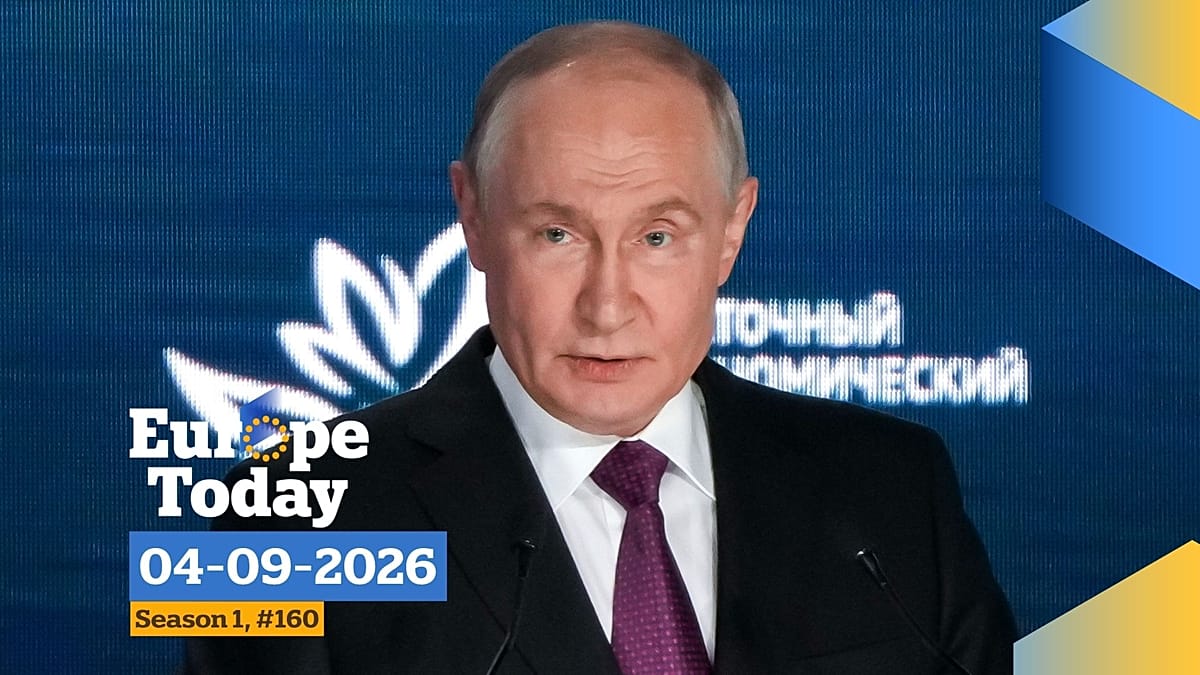
Russia is escalating its hybrid campaign against European states, seeking to sow fear among citizens and fracture the EU's united front on Ukraine. From Dublin, Shona Murray reports on the Kremlin's tactics, which range from disinformation and cyberattacks to sabotage and drone incidents. French European Affairs Minister Benjamin Haddad warns that Moscow is deliberately targeting European societies, aiming to erode public confidence in governments that back Kyiv.
Frozen assets and Ukraine's winter
As Ukraine braces for another harsh winter, Ukrainian Finance Minister Sergii Marchenko has revived calls to use frozen Russian assets to fund the country's defense and reconstruction. Speaking to Europe Today, Marchenko stressed that the billions of euros immobilized in Western jurisdictions could provide a critical lifeline. The debate over seizing these assets has gained momentum, with some EU member states cautious about legal and financial repercussions, while others argue that the cost of inaction is far greater.
Russia's aggressive posture is not limited to Ukraine. Lithuania has warned that Moscow is likely to escalate attacks on EU soil, and Denmark has cautioned that Russia is preparing sabotage against its defense industry. These warnings follow a series of incidents, including a drone crash in Leipzig that prompted the UK to summon the Russian envoy. The pattern points to a deliberate strategy of intimidation aimed at European publics.
Ceuta crisis deepens in Spain
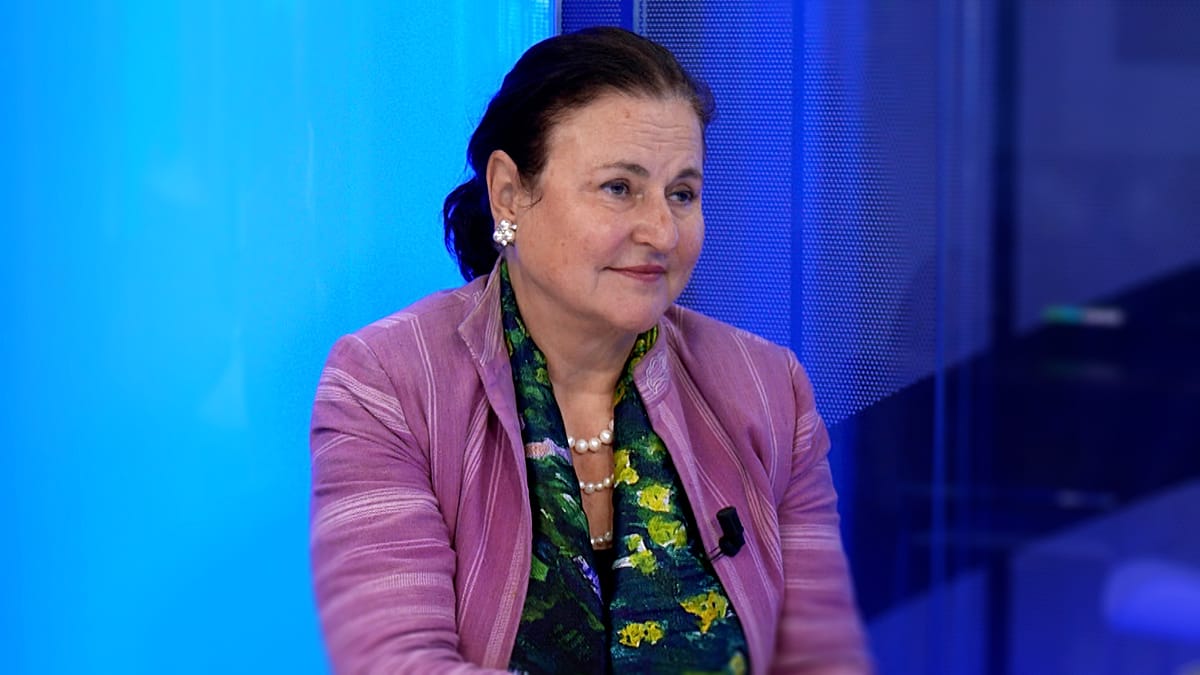
In Spain, Prime Minister Pedro Sánchez faces a mounting political crisis after thousands of irregular migrants entered the Spanish enclave of Ceuta last month. The influx has overwhelmed local resources and sparked a fierce debate over migration policy. Antonio López-Istúriz, a Spanish MEP from the European People's Party, criticizes the government's handling of the situation, arguing that the EU must adopt a more coherent and humane approach to border management.
The crisis has also been exacerbated by disinformation. The Red Cross has been hit by fake social media posts spreading false claims about its operations in Ceuta, complicating relief efforts. As disinformation spreads, European institutions are grappling with how to counter such narratives while upholding democratic values.
AfD leads in eastern Germany
In Germany, the far-right Alternative for Germany (AfD) is leading the polls ahead of regional elections this Sunday in Saxony-Anhalt. Laura Fleischmann reports from the eastern state, where the party's anti-immigration and anti-EU rhetoric resonates with voters disillusioned by the political establishment. The AfD's projected victory would mark a significant shift in the country's political landscape and could have implications for the federal government in Berlin.
The rise of the AfD in eastern Germany is part of a broader trend of populist and nationalist movements gaining ground across Europe. While mainstream parties struggle to address economic stagnation and cultural anxieties, the far-right offers simple answers to complex problems. The outcome of the election will be closely watched in Brussels, where concerns about democratic backsliding and the erosion of liberal values are mounting.
As Europe faces these multifaceted challenges, the need for coordinated responses has never been more urgent. Whether it is countering Russian hybrid warfare, managing migration crises, or addressing the appeal of extremism, the EU's ability to act decisively will shape its future. The coming weeks will test the resilience of European institutions and the commitment of member states to a shared project.