Overnight Russian drone attacks struck a hospital in Kyiv and killed at least two people in the southern port city of Odesa, Ukrainian officials said on Wednesday. The assaults, which targeted civilian infrastructure, came as European leaders continue to debate how to strengthen Ukraine's air defenses and secure a lasting peace.
Kyiv hospital hit, patients evacuated
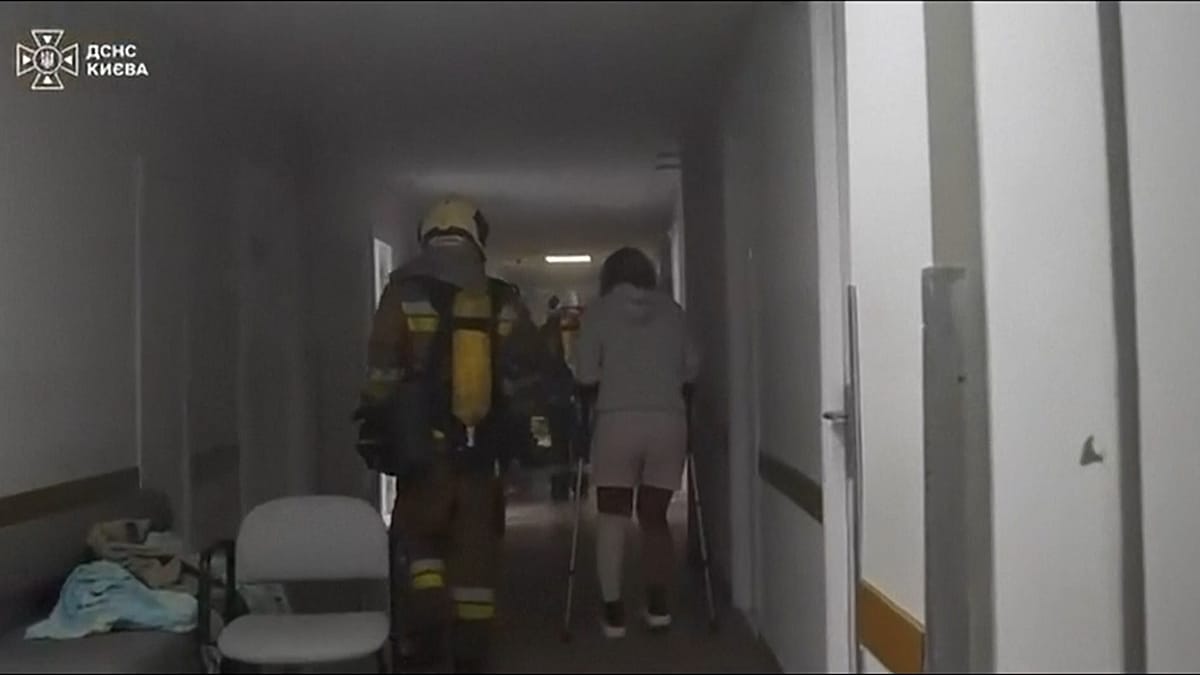
In the Ukrainian capital, a drone strike damaged a hospital building, injuring one person. Emergency services evacuated patients, including those in wheelchairs and on crutches, as firefighters worked to extinguish the resulting blaze. The facility, which had been treating civilians, was forced to suspend operations temporarily.
Kyiv's mayor, Vitali Klitschko, confirmed the attack and said that all patients had been moved to safe locations. "The enemy is deliberately targeting medical facilities," he said in a statement. "We will not be intimidated."
Odesa mourns two victims
In Odesa, the overnight barrage killed two people and wounded several others, according to regional governor Oleh Kiper. Rescue teams searched through rubble for survivors after a residential building was hit. "This is a brutal reminder of the cost of this war," Kiper said.
The attacks come as Ukraine's air defense systems face mounting pressure from Russian drones and missiles. Western-supplied interceptors, while effective, are in limited supply, and Kyiv has repeatedly called on allies to provide more advanced systems.
European response under scrutiny
The strikes also highlight the broader challenge for Europe, where leaders are grappling with how to support Ukraine while managing their own security concerns. Recent diplomatic efforts, including US envoys pushing for a European role in peace talks, have yet to yield a concrete framework. Meanwhile, EU leaders at the Dublin summit sought a single voice on the conflict, but divisions remain over the pace of negotiations and the level of military aid.
Moscow has downplayed Europe's involvement in any future settlement, despite optimism from US officials. Moscow downplayed the European role in talks, insisting that any agreement must be negotiated directly with Washington. This stance has frustrated European capitals, which argue that their security is directly at stake.
Civilian infrastructure in the crosshairs
Wednesday's attacks are part of a pattern of Russian strikes on Ukrainian cities, often hitting residential areas, hospitals, and energy facilities. The World Health Organization has documented hundreds of attacks on healthcare in Ukraine since the full-scale invasion began in February 2022. Europe's hospitals are bracing for conflict as health systems face new threats, both from direct attacks and from the broader strain of war.
In Kyiv, the hospital strike forced staff to move patients to underground shelters, a scene that has become all too familiar. "We are used to this," said one nurse, who asked not to be named. "But it never gets easier."
The attacks also come as the EU prepares to implement a ban on Russian liquefied natural gas imports, a move that could further strain Moscow's finances. EU imports of Russian Arctic LNG hit €8.7bn ahead of the ban, highlighting the continent's continued energy dependence.
Ukrainian President Volodymyr Zelenskyy condemned the strikes, calling them "another act of terror." He reiterated his appeal for more air defense systems and long-range weapons to strike back at Russian launch sites. "Every day of delay costs lives," he said in his nightly address.
As the war enters its fourth year, the resilience of Ukrainian civilians remains remarkable, but so does the toll. The international community, and Europe in particular, faces a stark choice: intensify support or accept a prolonged conflict with no end in sight.