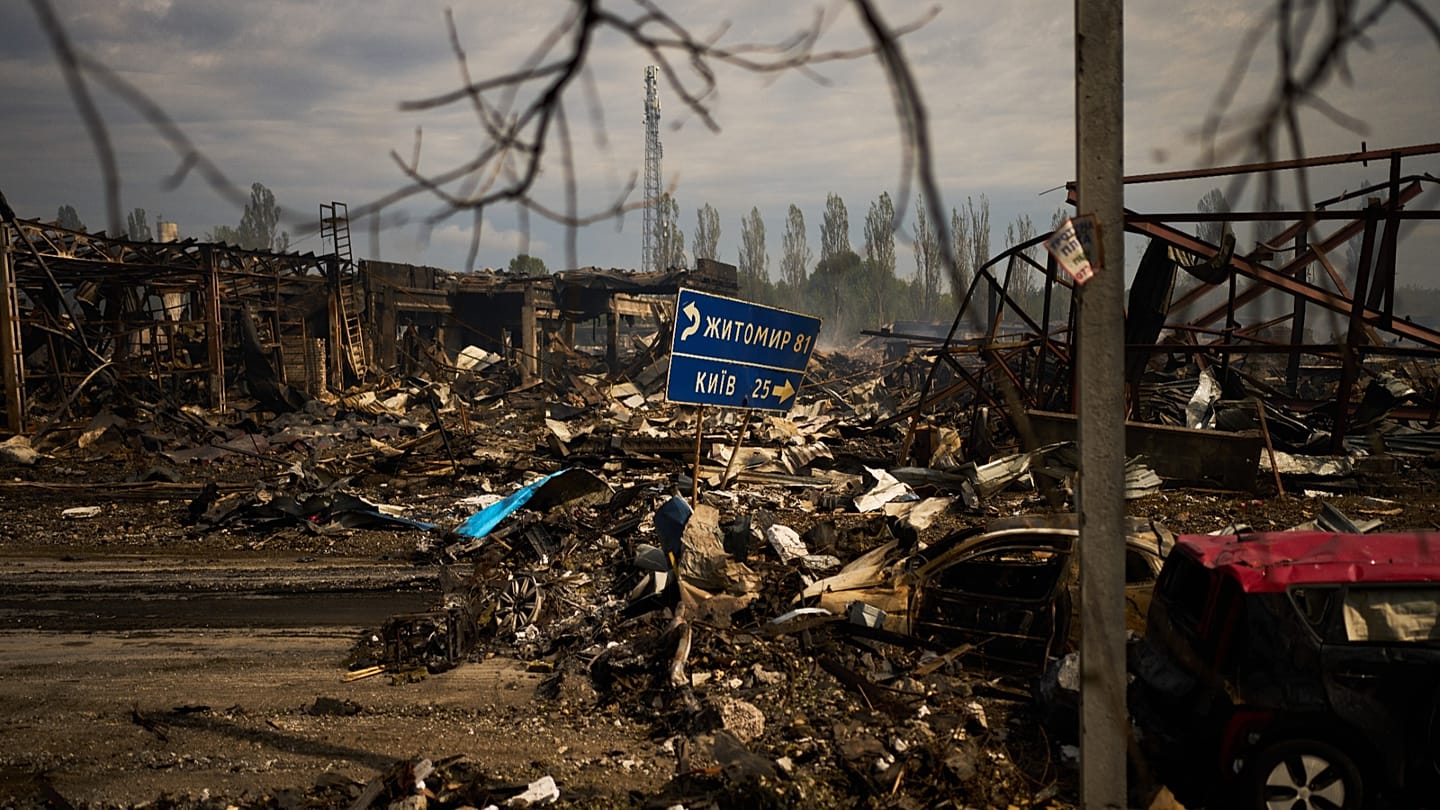
In the days before the new school term, Russian missile and drone attacks on warehouse facilities in the Kyiv region have caused widespread disruption. Ukrainian officials report that approximately 12 million textbooks destined for schools across the country were incinerated in the strikes, dealing a severe blow to education as millions of children prepare to return to classrooms.
The attacks, which targeted logistics hubs and storage depots, have also left many shops in the capital without essential goods. Retailers are struggling to restock shelves as supply chains are repeatedly severed by the ongoing bombardment. The strikes are part of a broader pattern of Russian aggression aimed at crippling Ukraine's civilian infrastructure.
Moscow's threat to the energy grid
On Sunday, the Russian Defence Ministry announced that it is preparing “massive strikes” on Ukraine's energy infrastructure. This declaration has heightened fears of a renewed campaign against power plants and substations, similar to the attacks that left millions without electricity and heating during the previous winter. Ukrainian authorities are bracing for a difficult autumn and winter, with emergency measures being put in place to protect critical facilities.
The destruction of the textbooks is particularly poignant, as it directly affects the education of an entire generation. Regional education officials have stated that replacement copies will be difficult to source quickly, given the scale of the damage and the ongoing conflict. Some schools may have to rely on digital materials, but internet access remains unreliable in many areas due to infrastructure damage.
In Kyiv, residents have reported empty shelves in supermarkets and pharmacies, as the strikes on warehouses have disrupted the distribution of food, medicine, and other daily necessities. The city's mayor, Vitali Klitschko, has urged calm and assured residents that authorities are working to restore supplies, but the situation remains tense.
The attacks have also taken a toll on human life. The death toll from a strike on a depot in the Kyiv region has risen to 38, according to emergency services. Rescue teams continue to search through the rubble for missing persons, while hospitals treat the wounded. The Kyiv depot toll has become a grim symbol of the war's impact on civilian infrastructure.
International reactions have been swift. The European Union has condemned the strikes, with Ursula von der Leyen, President of the European Commission, stating that “Russia's deliberate targeting of civilian infrastructure is a war crime.” She reiterated the EU's commitment to supporting Ukraine, including through humanitarian aid and assistance in rebuilding damaged facilities.
Meanwhile, the threat to the energy grid has prompted Ukrainian officials to appeal for more air defence systems from Western allies. President Volodymyr Zelensky has called for additional Patriot batteries and other advanced systems to protect critical infrastructure from Russian missiles and drones. The Baltic security questions raised by recent diplomatic visits have added to the urgency of these requests.
The impact of the warehouse strikes extends beyond Kyiv. In other regions, such as Zaporizhzhia and Kherson, similar attacks have been reported, with drone barrages wounding civilians and damaging infrastructure. The pattern is clear: Russia is systematically targeting the logistical backbone of Ukraine, aiming to weaken the country's ability to function and to demoralise its population.
For Ukrainian families, the start of the school year is usually a time of hope and preparation. This year, it is overshadowed by uncertainty. Parents are worried about the safety of their children, both in schools and in transit. The loss of textbooks adds an extra layer of hardship, as families may have to bear the cost of purchasing materials that were previously provided free of charge.
As the conflict enters its third year, the resilience of the Ukrainian people remains remarkable, but the cumulative effects of such attacks are taking a heavy toll. The international community's response, both in terms of military aid and humanitarian support, will be crucial in helping Ukraine withstand this latest onslaught.