EU and Western Balkan leaders gathered in Brussels on Tuesday for a summit intended to breathe new life into the bloc's long-stalled enlargement process. After years of waiting, frustration is mounting in the region, where democratic backsliding and the unresolved Serbia-Kosovo dispute continue to block progress. The EU itself faces questions about its own readiness to admit new members, even as geopolitical pressures mount.
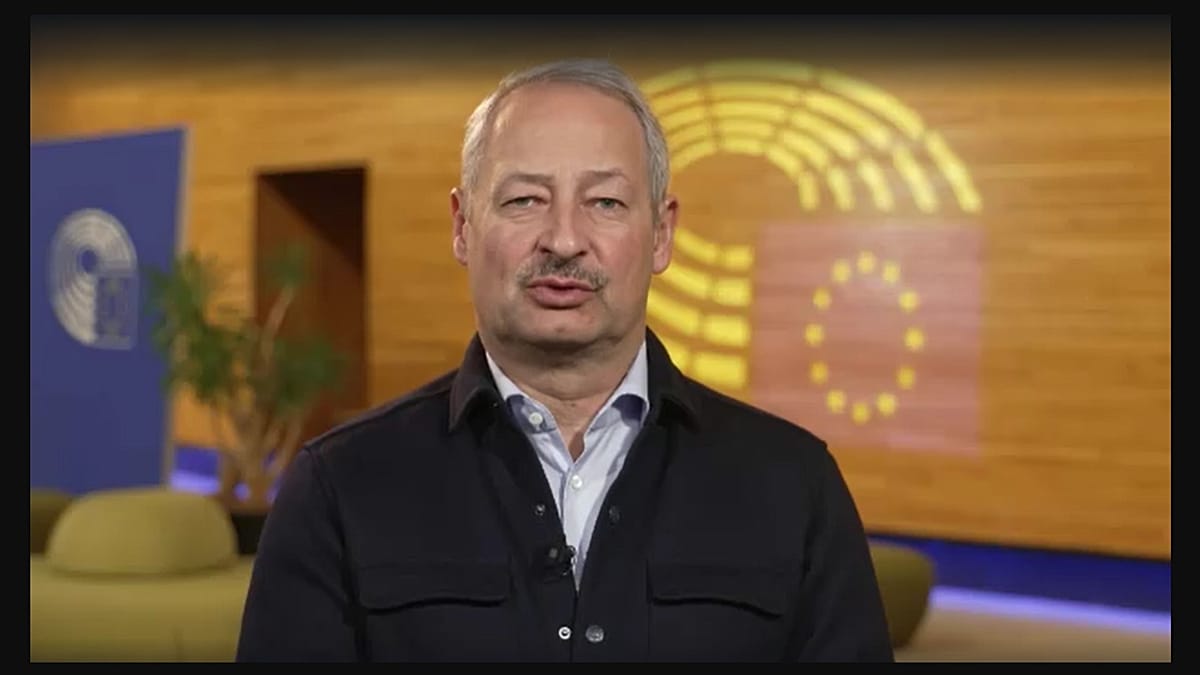
Austrian Social Democrat MEP Andreas Schieder, speaking to Europe Today, identified Montenegro and Albania as the most likely candidates to join first. He argued that a credible, faster path to membership would not only reward reform but also serve as a strategic counter to Russian influence in the Western Balkans.
Montenegro and Albania lead the pack
Schieder pointed to Montenegro's steady progress in aligning with EU standards and Albania's recent reforms as reasons for optimism. "Montenegro and Albania are the frontrunners," he said. "They have shown a clear commitment to the European path, and the EU should reward that with tangible progress in negotiations."
Montenegro, which has been in accession talks since 2012, has closed several negotiating chapters, though concerns over judicial independence and media freedom remain. Albania, a candidate since 2014, has made significant strides in fighting corruption and organised crime, but still faces hurdles in areas such as the rule of law and fundamental rights.
The summit comes at a delicate moment. Serbia's President Aleksandar Vučić was notably absent, a move widely seen as a signal of Belgrade's frustration with the EU's insistence on normalising relations with Kosovo. The dispute between the two countries remains one of the main obstacles to Serbia's membership bid, and the EU's inability to broker a lasting agreement has fuelled scepticism about its leverage in the region.
Enlargement as a geopolitical tool
For Schieder, the urgency is not just about institutional reform. "The longer we delay, the more space we give to other actors, particularly Russia, to fill the vacuum," he warned. "A credible enlargement perspective is a powerful tool to stabilise the region and reduce external interference."
His remarks echo broader concerns in Brussels and among member states that the EU's hesitancy has allowed Moscow to strengthen its foothold in the Balkans, through energy deals, disinformation campaigns, and political alliances. The 22nd round of EU sanctions against Russia, which targets banks, the shadow fleet, and athletes, reflects the bloc's ongoing efforts to counter Russian activities, but Schieder argues that enlargement is a more constructive long-term response.
The EU's military chief has also warned that hybrid attacks from the Baltics to the Black Sea demand a faster defence buildup, highlighting the security dimension of the bloc's eastern and southeastern neighbourhoods. For Schieder, enlargement is part of that security architecture.
Internal EU reform and the path forward
Beyond the Western Balkans, the EU must also confront its own internal readiness. The European Commission has proposed a phased approach to accession, allowing candidates to join certain policy areas before full membership. This idea, supported by several member states, could offer a way forward, but it requires political will and institutional adaptation.
Schieder stressed that the EU's credibility depends on delivering on its promises. "We cannot keep the Western Balkans in a waiting room indefinitely," he said. "If we want to be a serious geopolitical actor, we must act accordingly."
The summit is expected to produce a joint declaration reaffirming the EU's commitment to enlargement, but concrete steps remain uncertain. The bloc's internal debates over migration, rule of law, and the future of the Union itself often overshadow the enlargement agenda, as seen in the recent rift among European Socialists over migration.
For now, the focus is on keeping the process alive. As Schieder put it, "The Western Balkans are part of Europe, and their future is in the European Union. We need to show that we mean it."



