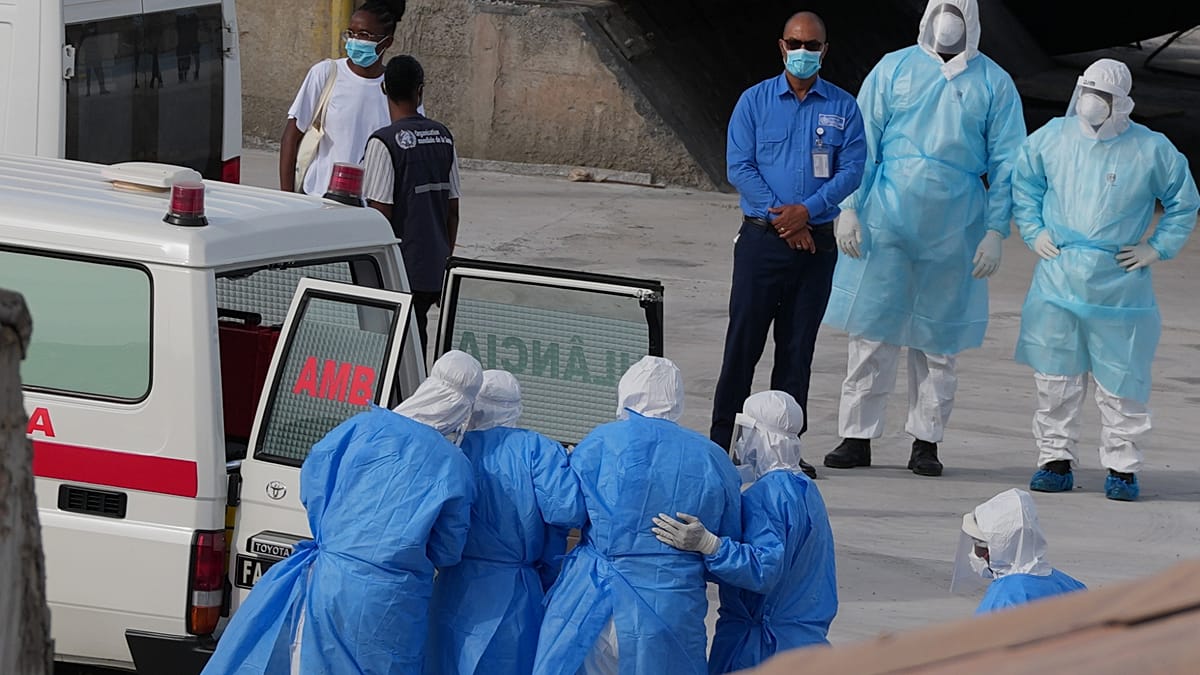
In the Siberian city of Irkutsk, a cloud of uncertainty hangs over the local Research Institute for Plague Control after a worker died there under circumstances that some believe point to pneumonic plague. The death, reported earlier this week, has prompted a flurry of official statements, quarantine measures, and a mix of indifference and anxiety among the city's residents.
Russian health authorities, including the federal watchdog Rospotrebnadzor, have stressed that the cause of death has not been confirmed. They have denied introducing special measures, even as local reports suggest that people who came into contact with the deceased have been isolated and that a quarantine has been imposed on the institute's premises.
For many Irkutsk residents, the official line is reassuring. "I'm not particularly worried," said Dmitri, a 34-year-old engineer, speaking to European Pulse. "No cases have been confirmed, and the people who were in contact with the worker are being monitored. If it were really dangerous, we'd see more drastic action."
Others are less convinced. "They say it's not plague, but then why quarantine the whole institute?" asked Anna, a local shopkeeper. "There's a history of lab accidents in Russia, and I wouldn't be surprised if something leaked. We're not getting the full story."
The skepticism is not unfounded. The institute in Irkutsk is one of several in Russia that handle live plague cultures, and a 2019 incident at a similar facility in Siberia resulted in a researcher's death from septic shock caused by plague bacteria. That case was officially ruled an accident, but it left a legacy of distrust.
European health officials take notice
While the immediate concern is local, the story has resonated far beyond Siberia. The European Union's health authorities have said they are tracking the suspected case and will review the situation in coordination with the World Health Organization. A WHO spokesperson downplayed the risk of a wider outbreak, noting that pneumonic plague is not easily transmitted between humans without close contact.
Belgian virologist Marc Van Ranst, who has studied plague outbreaks, told European Pulse that the case appears isolated and that the risk to Europe is minimal. "Plague is a serious disease, but modern antibiotics are highly effective if administered early," he said. "The key is rapid identification and containment, which seems to be happening."
Still, the incident has raised broader questions about laboratory safety in Russia and the transparency of its health bureaucracy. Some European experts have called for an independent review, echoing concerns that EU health officials are now considering.
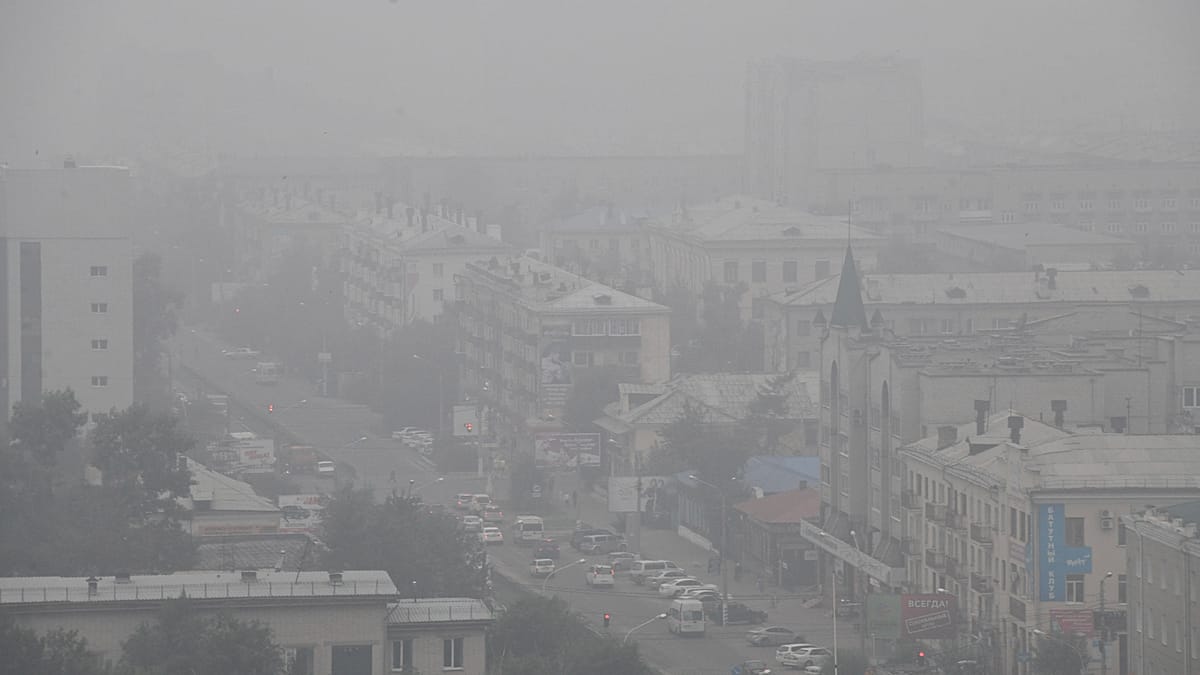
For now, life in Irkutsk continues largely as normal. The city's streets are busy, and there is no visible sign of panic. But the uncertainty has seeped into everyday conversation. "People are talking about it, but they're also going about their business," said Olga, a university student. "It's a strange feeling—like we're waiting for something that may never happen."
The quarantine, which reportedly affects hundreds of people, has been extended for several days, according to local media. Officials have not given a timeline for when the cause of death will be confirmed, but they have promised to release more information once tests are complete.
In the meantime, the episode serves as a reminder of the delicate balance between public health and public trust. For residents of Irkutsk, the immediate threat may be low, but the psychological impact of a potential plague outbreak—even a suspected one—is not easily dismissed.
As one local doctor put it, "We've been through pandemics before. We know how to handle this. But we also know that the truth can be slow to come out. That's what worries people most."