As concerns over a suspected pneumonic plague case in Siberia ripple across Europe, a leading Belgian virologist has sought to calm fears, describing the episode as an isolated incident rather than the start of an outbreak.
Marc Van Ranst, a prominent figure in Belgian virology and a professor at KU Leuven, told European Pulse that while plague may evoke images of medieval scourges, it remains a recurring reality in certain parts of the world. “People think of plague as something medieval, but cases are reported every year in the Democratic Republic of the Congo and Madagascar,” he said. However, he acknowledged that the circumstances in Siberia—where a laboratory worker died after suspected exposure—add a layer of concern. “The laboratory link makes this incident a little more serious,” Van Ranst noted.
What happened in Siberia?
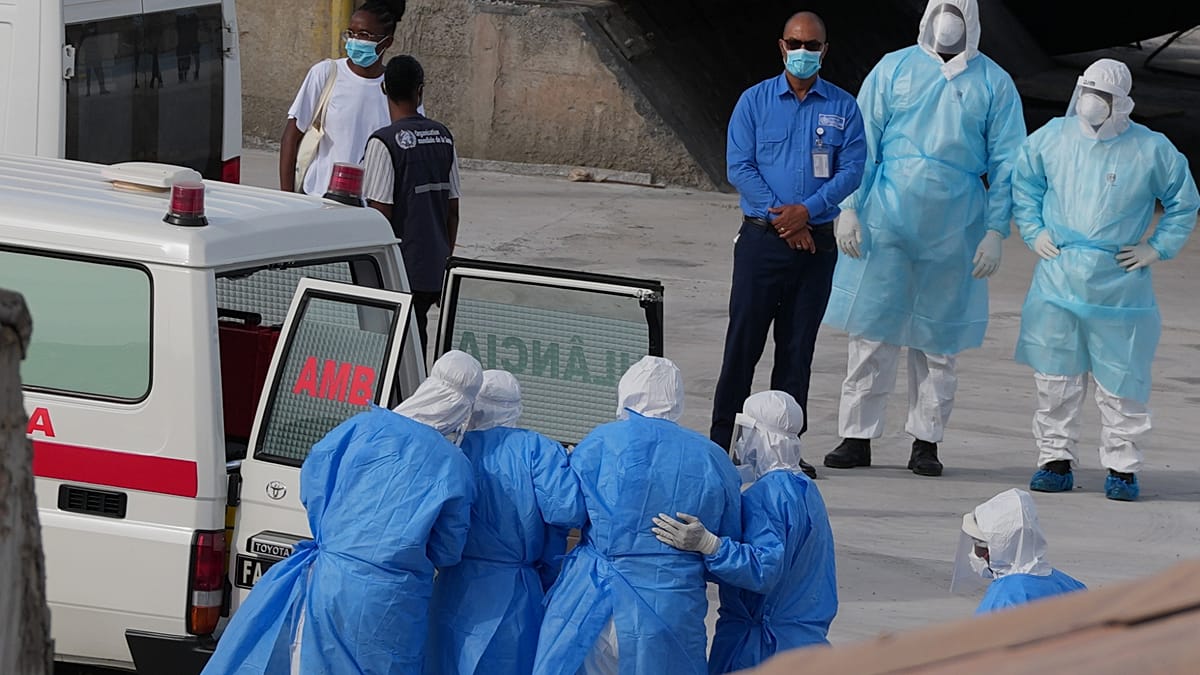
Russian authorities have quarantined hundreds of people in the Altai region after a lab worker died, with initial reports suggesting pneumonic plague. Officials have denied a direct link to the death, but the precautionary measures have fueled speculation. The European Union's health authorities are reviewing the suspected case to assess any cross-border risks, though no cases have been reported outside Russia.
Van Ranst emphasized that the risk to Europe remains minimal. “Plague is not transmitted easily from person to person; it requires close contact with infected fleas or respiratory droplets in the pneumonic form,” he explained. “The quarantine is a standard precaution, not a sign of an impending epidemic.”
This is not the first time Siberia has faced such scares. Earlier this year, plague fears gripped the region after a similar incident, though those were also contained. The World Health Organization has downplayed the risk of a wider outbreak, aligning with Van Ranst's assessment.
COVID-19: a milder winter
Van Ranst also addressed the current state of COVID-19 in Europe. He noted that the virus is “back” but in a “milder form” compared to previous waves. “We are seeing cases, but they are not leading to the same level of hospitalizations as in 2020 or 2021,” he said. He does not expect this winter to resemble the severe peaks of those years, thanks to widespread immunity from vaccination and prior infections.
His comments come as several European countries, including Germany and France, report upticks in respiratory infections, though health systems are coping. Van Ranst urged continued vigilance, especially for vulnerable groups, but stressed that the situation is fundamentally different from the early pandemic years.
For now, the Siberian plague case remains a localized concern, with European health officials monitoring but not alarmed. As Van Ranst put it, “We should not panic, but we should remain alert.”