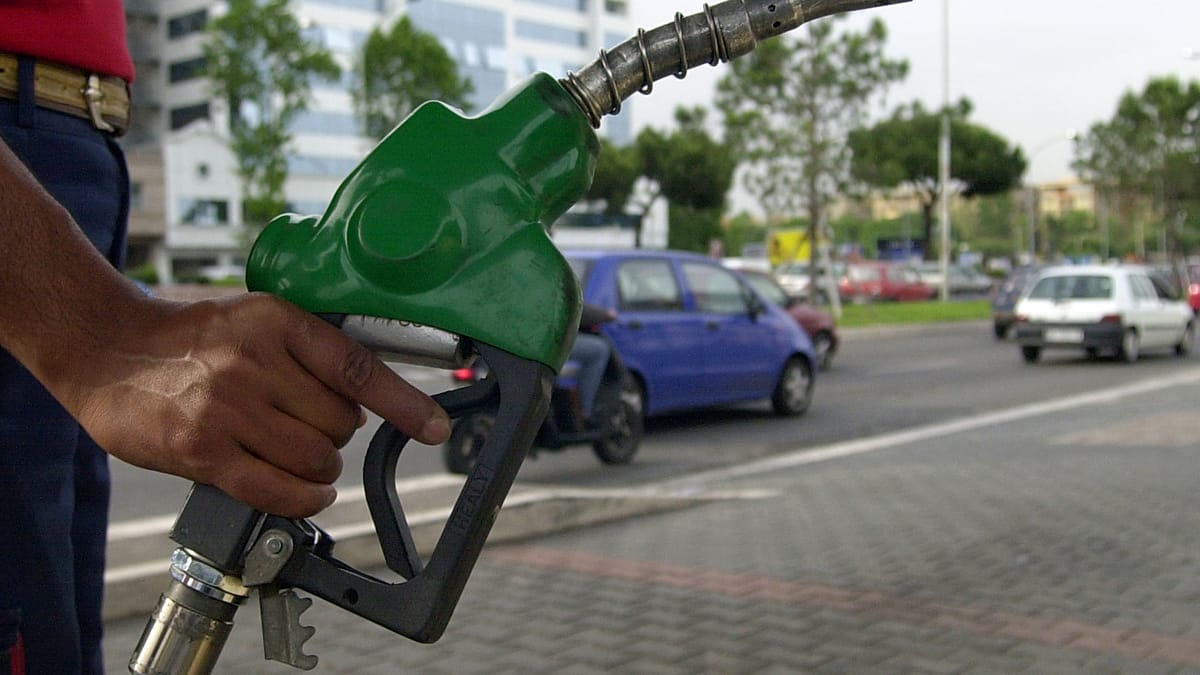
State-owned Azerbaijani energy group SOCAR has announced a price cap on petrol and diesel across its Italiana Petroli (IP) network in Italy, a move that signals its strategy just months after acquiring the company. The cap will be introduced gradually, starting with IP-branded filling stations, with the maximum price to be set based on supply-chain sustainability and market conditions.
The announcement comes as Italian motorists face some of the highest fuel prices in recent memory. According to the Ministry for Business and Made in Italy (MIMIT), the national average for self-service petrol on the road network stood at €2.159 per litre on Sunday, while diesel reached €2.377. On motorways, prices were even steeper: petrol averaged €2.254 and diesel €2.459 per litre, approaching the psychologically significant €2.50 mark.
Diesel has been particularly affected by global energy market tensions and supply-chain disruptions, a problem that has been exacerbated by potential US export restrictions that could further squeeze European supplies. The Italian government has urged operators to help cushion the impact on households and businesses, and SOCAR's move is seen as a direct response to that call.
ENI follows suit, but SOCAR's timing stands out
ENI, Italy's largest energy company, has also introduced a price-cap mechanism on its own network. However, SOCAR's decision is notable because it comes just a few months after the group completed its acquisition of Italiana Petroli from API Holding on 8 May, when it bought 99.82% of the share capital. The cap is one of the first visible signs of SOCAR's new strategy in the Italian market.
Italian Foreign Minister Antonio Tajani welcomed the move, noting that he had personally asked SOCAR to intervene on prices at the beginning of September. In a statement, SOCAR said the cap "confirms SOCAR's closeness to Italy," and highlighted its broader engagement with the country, including a new strategic partnership with the Italian Football Federation (FIGC) that will see the company become the global energy partner of the men's and women's national teams from 1 January 2027 to 31 December 2030, with an option for a two-year extension.
The company said it aims to support operators and network managers while ensuring the continuity of the supply chain. It also plans to explore extending the cap to Esso-branded stations and other operators that purchase fuel from IP and distribute it under their own brands, which could broaden the impact significantly.
Italy's fuel price crisis is part of a wider European pattern. Across the continent, governments are grappling with how to respond to record fuel prices, with measures ranging from tax cuts to direct subsidies. The situation is compounded by rising energy costs that are expected to push up food prices across the region, adding to inflationary pressures.
For SOCAR, the price cap is a strategic move to build goodwill in a key market. The group, which is Azerbaijan's state oil company, operates across the energy chain from production to refining and marketing. Its acquisition of IP gave it control of one of Italy's main fuel retail networks, with an integrated system that includes refining, storage and distribution.
The cap will be monitored closely by both consumers and competitors. If successful, it could set a precedent for other operators to follow, potentially easing the burden on Italian motorists who have seen their fuel bills soar. However, the company has not yet specified the exact price ceiling, and the mechanism's effectiveness will depend on how it is implemented.
As Italy heads into the autumn, the fuel price issue remains politically sensitive. The government has asked operators to show restraint, and the response from SOCAR and ENI suggests that the pressure is being felt. Whether the caps will be enough to bring relief remains to be seen, but they represent a concrete step in a challenging environment.