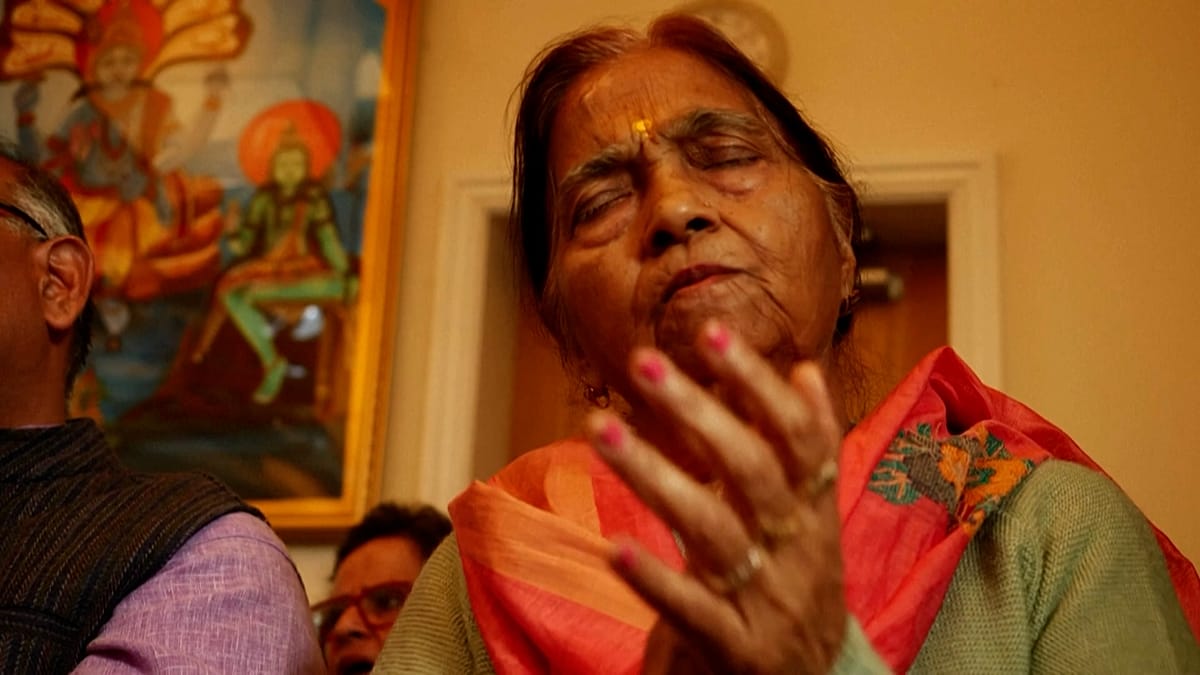
In a quiet corner of south London, the community at a Hindu temple has gathered to pray for sixteen of its members who remain unaccounted for after catastrophic flooding in Nepal, close to the Tibetan border. The disaster, triggered by relentless monsoon rains, has left families in both the UK and Nepal clinging to hope as rescue teams comb through debris and mud.
The temple, which serves a tight-knit diaspora community, has become a focal point for anxious relatives. Many of the missing had travelled to Nepal for a pilgrimage, a journey that has now turned into a nightmare. Local leaders in London have expressed solidarity, while the temple has opened its doors for continuous prayer sessions.
A community in limbo
Among those waiting is a woman from Croydon who has not heard from her brother since the floods struck. “We are living in a state of suspended disbelief,” she told reporters outside the temple. “Every hour feels like a day. We just want news, any news.” Her words echo the sentiment of many who have gathered, their faces etched with worry.
The floods, which swept through villages and towns in the Himalayan foothills, have claimed dozens of lives and displaced thousands. The region, known for its rugged beauty, has become a scene of devastation. In Kathmandu, hospitals have set up walls where families post photos of the missing, a poignant reminder of the human toll. Similar scenes are unfolding in London, where the diaspora is closely monitoring developments.
British authorities have been in contact with Nepalese officials, offering consular assistance. A spokesperson for the Foreign Office said they are “providing support to British nationals and their families” and are “working urgently to establish the whereabouts of those affected.” The temple community has also received messages of support from across the UK, including from other faith groups.
This tragedy has also drawn attention to the broader challenges facing Nepal, a country increasingly vulnerable to climate-induced disasters. While the immediate focus is on rescue and recovery, experts point to the need for long-term resilience. The situation is reminiscent of other recent flood-related crises, such as the cargo ship sinking in the Marmara Sea, which also left families waiting for news of missing loved ones.
For the south London temple, the wait is agonising. Community members have organised vigils, and a book of condolences has been opened. “We are a family,” said one elder, his voice trembling. “When one of us suffers, we all suffer.” The temple’s leaders have urged the public to respect the privacy of the families while they await official updates.
Meanwhile, in Nepal, rescue operations continue, hampered by difficult terrain and intermittent weather. The government has deployed military helicopters and specialised teams to the affected areas. International aid agencies are also mobilising, though access remains a challenge. The photos on the Kathmandu hospital wall serve as a stark reminder of the scale of the disaster.
As the hours pass, the hope of finding survivors diminishes, but the community in south London refuses to give up. “We are praying for a miracle,” said the temple’s priest. “But we are also preparing for the worst. We must be strong for each other.”
This tragedy has resonated far beyond the immediate community, highlighting the interconnectedness of the global diaspora. In an era of climate change, such events are becoming more frequent, and the need for solidarity is ever more pressing. The temple’s doors remain open, a beacon of hope in a time of uncertainty.