For decades, September was the quiet month when European beaches emptied and the tourism industry caught its breath. But the calendar has shifted. New data from ABTA's Travel Trends 2026 report points to a “Super September” – a month that now rivals the traditional summer peak in traveller demand.
Since 2023, the share of Britons planning a September holiday has climbed steadily, from 17% to 24% in 2025. The trend is not confined to the UK. Online travel agency eSky reports a 57% year-on-year increase in September bookings across its European markets, with travellers from Poland, the Czech Republic, and other Central European countries leading the charge.
“We are seeing a clear shift in the way European travellers are approaching the beginning of the shoulder season,” said Marcin Starkowski, Group PR Manager at eSky.com. “September is becoming an increasingly attractive month for travel, combining favourable weather with lower prices, fewer crowds and greater flexibility than during the peak summer month.”
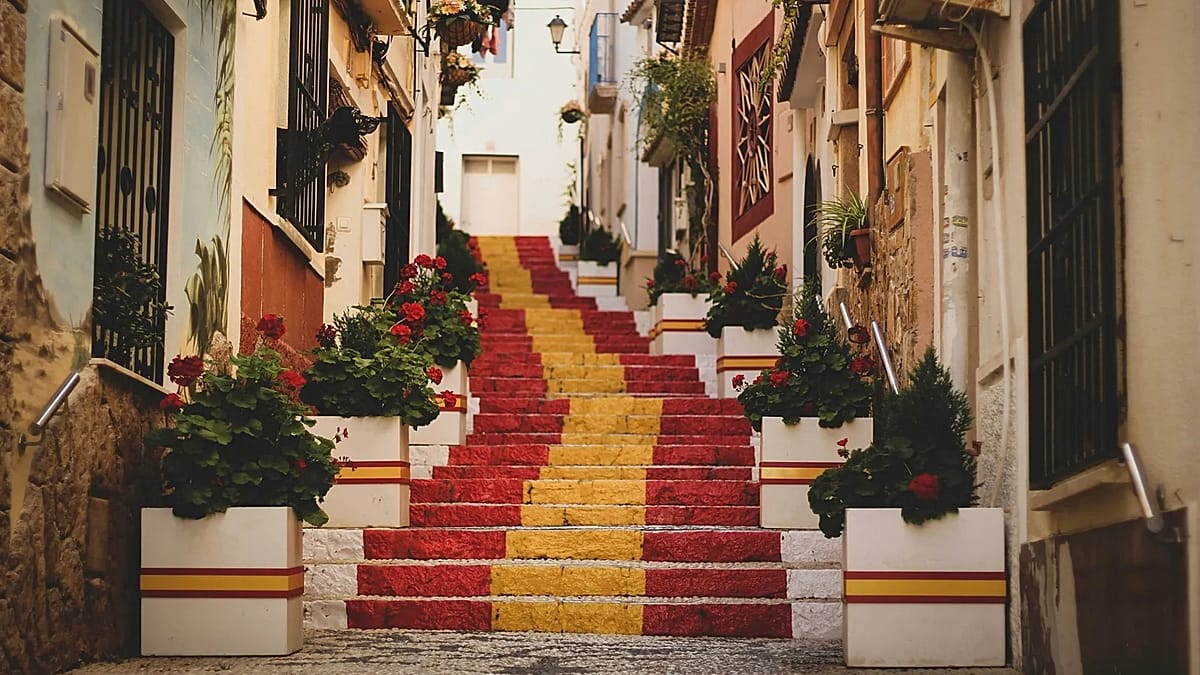
Spain dominates the September map
According to eSky data, Spain is the top destination for September travellers, capturing 27.9% of bookings. Greece follows with 17%, Italy with 10%, Türkiye with 6.5%, and Bulgaria with 6%. The pattern reflects a broader European preference for Mediterranean warmth without the peak-season chaos.
Price is a major driver. From Brussels, fares to Spanish cities drop sharply once the school holidays end. A flight to Málaga falls from €278 in July to €148 in September – a 46.8% reduction. Valencia sees a more modest 10% dip, from €241 to €217. Madrid drops by 47.9% to €114, while Asturias (Oviedo) sees the steepest decline of 64.5%, from €299 to €106.
“Across all four routes, fares ease once the peak summer holiday rush winds down, with the steepest decline on flights to Asturias and Madrid,” Starkowski noted.
September also offers a rich cultural calendar. In Barcelona, La Mercè transforms the city with four days of fireworks, human towers, and parades. In Asturias, America Day celebrates the region's historical ties to emigration, with floats and folk groups honouring those who returned each summer.
“What connects these destinations is their ability to offer a genuine extension of summer,” Starkowski said. “Travellers no longer have to choose between a traditional holiday and a sunny city break in autumn – many destinations combine warm temperatures, attractive prices and a rich range of experiences. At the same time, travelling during the shoulder season allows tourists to avoid the busiest periods, making sightseeing and exploring destinations more comfortable.”
The shift has implications beyond tourism. For Spain, which has long battled depopulation in rural areas, a longer season could help spread economic benefits beyond the coastal hotspots. For the wider European travel industry, it signals a move away from the traditional July-August peak, easing pressure on infrastructure and allowing destinations to manage visitor flows more sustainably.
As the trend gains momentum, travellers are increasingly looking for alternatives to the crowded summer months. The Faroe Islands, for instance, have introduced secret GPS routes to encourage off-the-beaten-path exploration. And in Greece, the Halkidiki peninsula is winning over visitors who want a quieter Aegean experience.
For now, Spain remains the undisputed champion of the September surge. With its mix of sun, culture, and value, it is likely to hold that position for years to come.