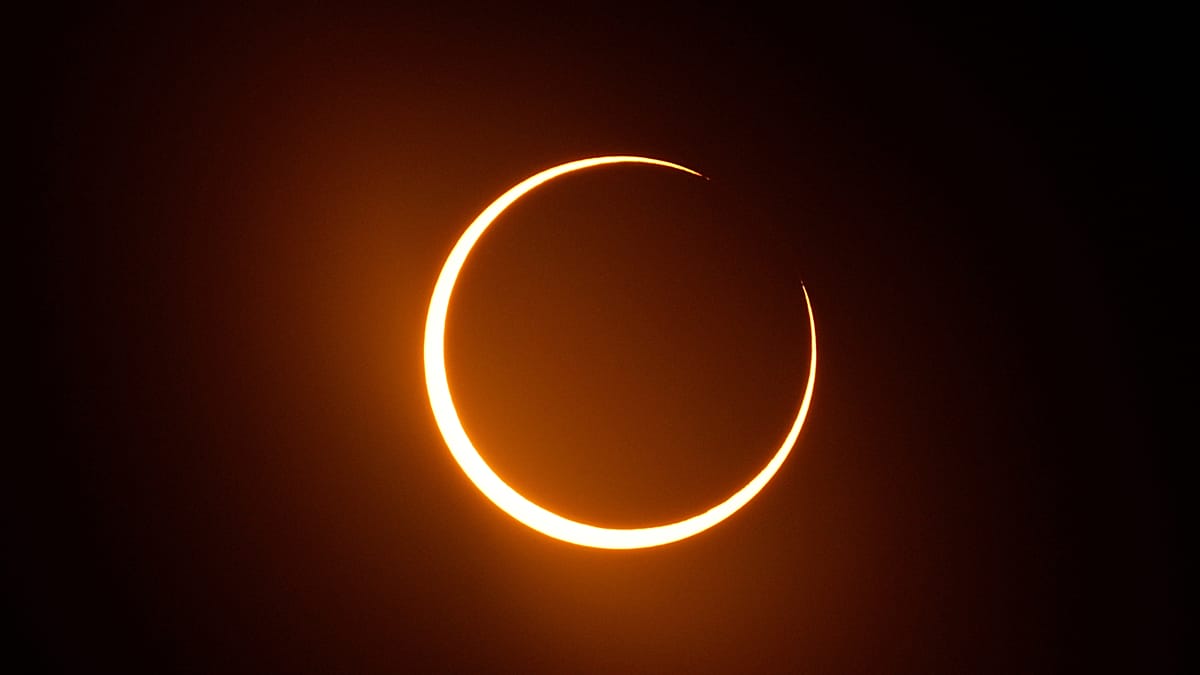
As Europe gears up for Wednesday's total solar eclipse, grid operators are bracing for a significant dip in solar power generation. In Spain, where photovoltaics account for over a fifth of the electricity mix, the event poses a unique challenge—and an innovative solution.
Red Eléctrica de España (REE), the country's transmission system operator, has announced a novel incentive: households that voluntarily reduce their electricity consumption during the eclipse will receive free energy for an hour on Sunday. The offer, capped at 16 kWh per household, is part of a broader effort to keep the grid stable as the moon blocks the sun across large parts of the Iberian Peninsula.
Grid stability under strain
The eclipse is expected to slash solar output by up to 5 GW in Spain—roughly 13% of typical peak demand for a Wednesday in August. Across Europe, the European Network of Transmission System Operators for Electricity (ENTSO-E) projects a total drop of up to 9.7 GW. While the event occurs in the early evening, when solar generation naturally declines, the sudden loss of supply could still strain the grid.
REE says it is coordinating with other European transmission operators and national control centres, increasing reserve margins, and monitoring the situation in real time. The company describes the expected impact as “limited and temporary,” but the precautionary measures reflect the growing reliance on solar power across the continent.
In Portugal, the grid operator Redes Energéticas Nacionais (REN) has warned that additional reserves from hydro and thermal generation will be needed to rebalance supply and demand. The company anticipates a 450 MW drop in solar output—about 45% of the average forecast for the 6:30–8:30 pm window—and stresses the importance of maintaining stability in the interconnection between the Portuguese and Spanish grids.
A creative response in the UK
Across the Channel, Octopus Energy is taking a similar approach. The UK supplier is encouraging customers to join an “eclipse power down,” offering an hour of free electricity to households that use less than normal during the event. The company says the reward, capped at 16 kWh, is “more than any regular home could use in an hour—more like keeping the lights on at a small sports stadium.”
Octopus argues that the initiative is more than a gimmick. By reducing demand when solar output dips, households can help avoid switching on polluting gas-fired power plants. The UK's National Energy System Operator (NESO) notes that demand may actually fall below usual levels as millions head outside to watch the phenomenon, but the country is also sweltering through its fifth heatwave of the year, which could keep cooling demand high.
The eclipse will block up to 95% of the sun over parts of the UK on Wednesday evening, making it a dramatic event for sky-watchers. For those interested in the cultural side of eclipses, our roundup of eclipse-inspired art and literature offers a different perspective.
Spain, meanwhile, is no stranger to celestial events. The country is preparing for a rare trio of eclipses starting in 2026, as detailed in our preview of upcoming astronomical phenomena. For now, the focus is on keeping the lights on—and rewarding those who help.
The success of such demand-response schemes could have broader implications for Europe's energy transition. As solar capacity grows, grid operators will need increasingly creative tools to manage the variability of renewable generation. Wednesday's eclipse is a stress test—and a glimpse of the future.