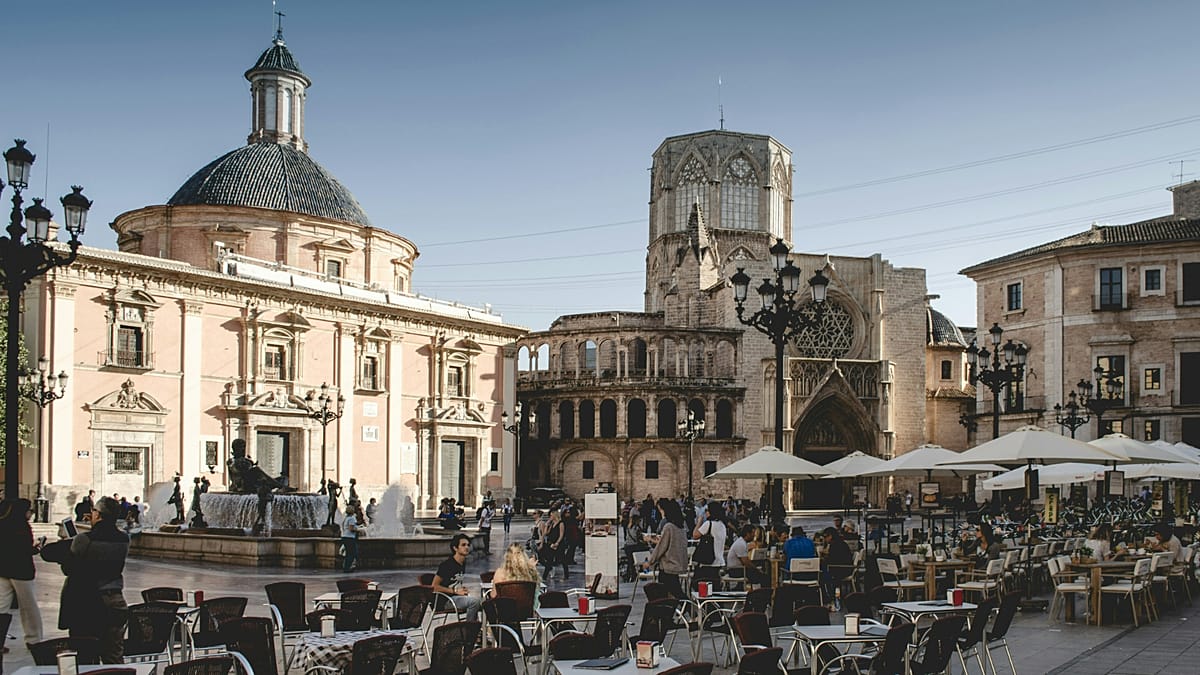
For many visitors, sipping a cold drink on a sun-drenched terrace is the quintessential Spanish summer experience. But this year, that ritual may be interrupted by a new set of labour rules designed to protect hospitality workers from extreme heat.
Spain's government, in agreement with hospitality unions, has updated the national labour framework to mandate health and safety measures when the State Meteorological Agency (AEMET) issues orange or red alerts for heat, flooding, or heavy snow. The key change: restaurants, bars, and cafés must reduce or suspend outdoor service if they cannot provide adequate shade or cooling systems.
What the New Rules Mean for Tourists
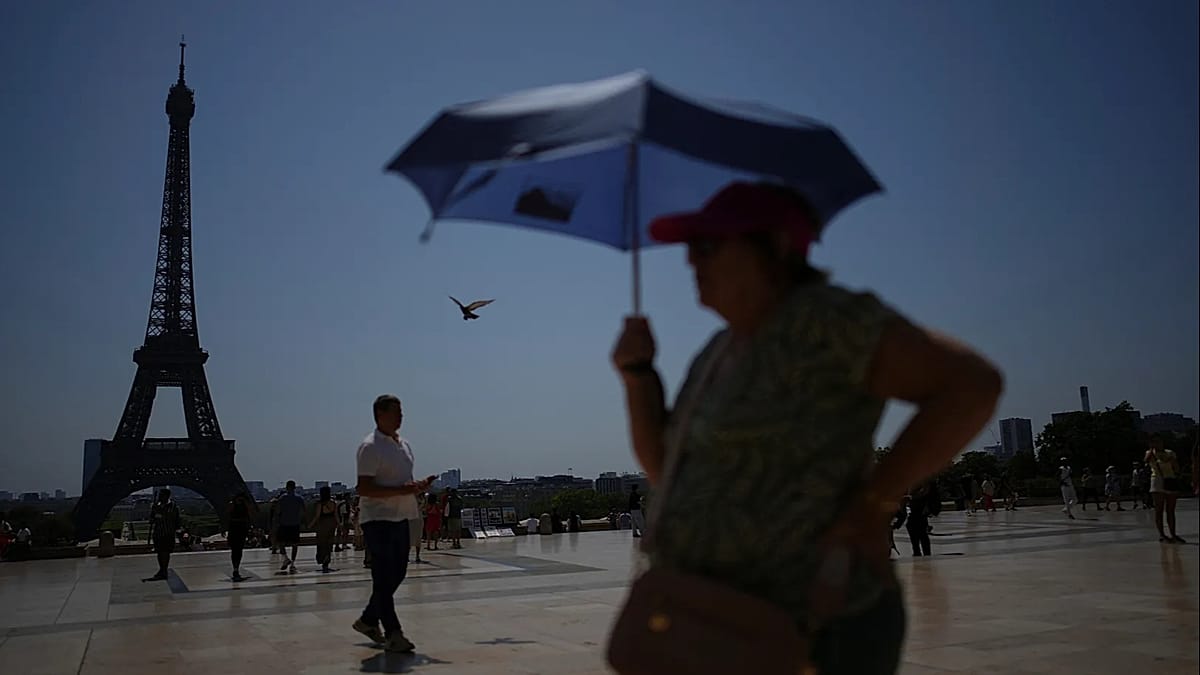
When temperatures approach 40°C, a shaded terrace might seem like the perfect escape. But for waiters carrying trays and cleaning tables for hours, those conditions can be punishing. The regulation prioritises adaptations such as shift changes, more hydration breaks, and rest periods before resorting to closure. However, if those measures are insufficient, terraces must close during the hottest hours.
Tourists should expect that indoor seating will remain available, but al fresco dining may be suspended until the evening. The government is also constructing a national network of climate shelters—public spaces where people can find relief from the heat.
“Devastating droughts and heatwaves are no longer rare,” Prime Minister Pedro Sánchez said in December. “Some summers, it's not separate waves we face, but one long heatwave stretching from June through August. This is now the new normal.”
Last summer, parts of Spain recorded temperatures of 45°C, conditions that can be severely debilitating. The new rules aim to prevent heat-related illnesses among workers, but they also signal a broader shift in how the country adapts to a warming climate.
Establishments that fail to comply face fines of more than €50,000 in the most serious cases. The regulation applies across all of Spain, from Barcelona's bustling Ramblas to the terraces of Seville and Madrid's Plaza Mayor.
For holidaymakers, the advice is simple: plan your outdoor meals for the evening, when temperatures drop and terraces are likely to reopen. Modifying your daily routine will also benefit your own comfort. As Spain races to expand renewables and tackle energy challenges—Spain, France, Portugal Race to Expand Renewables Amid Energy Crisis—the heatwave rules are part of a broader effort to make life sustainable in a hotter Europe.
The new measures also reflect a growing recognition across the continent that climate adaptation is no longer optional. From the EU Energy Mix: Nuclear, Renewables, and Green Hydrogen Under Scrutiny to national labour reforms, European countries are grappling with the practical consequences of rising temperatures.