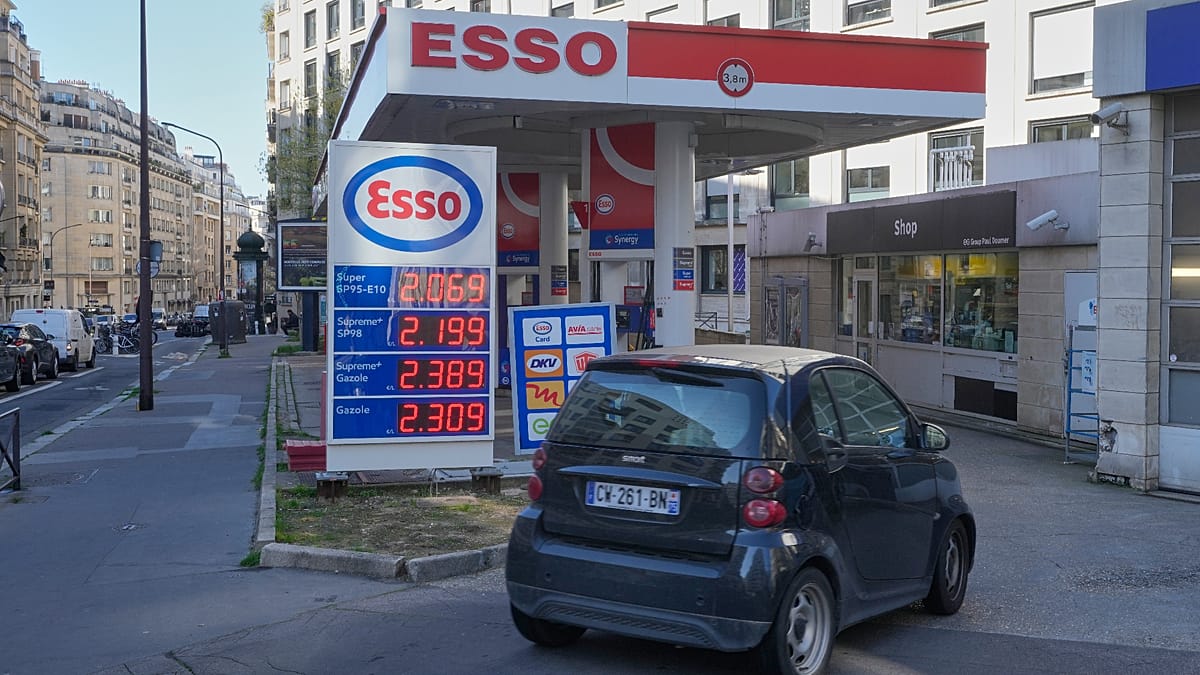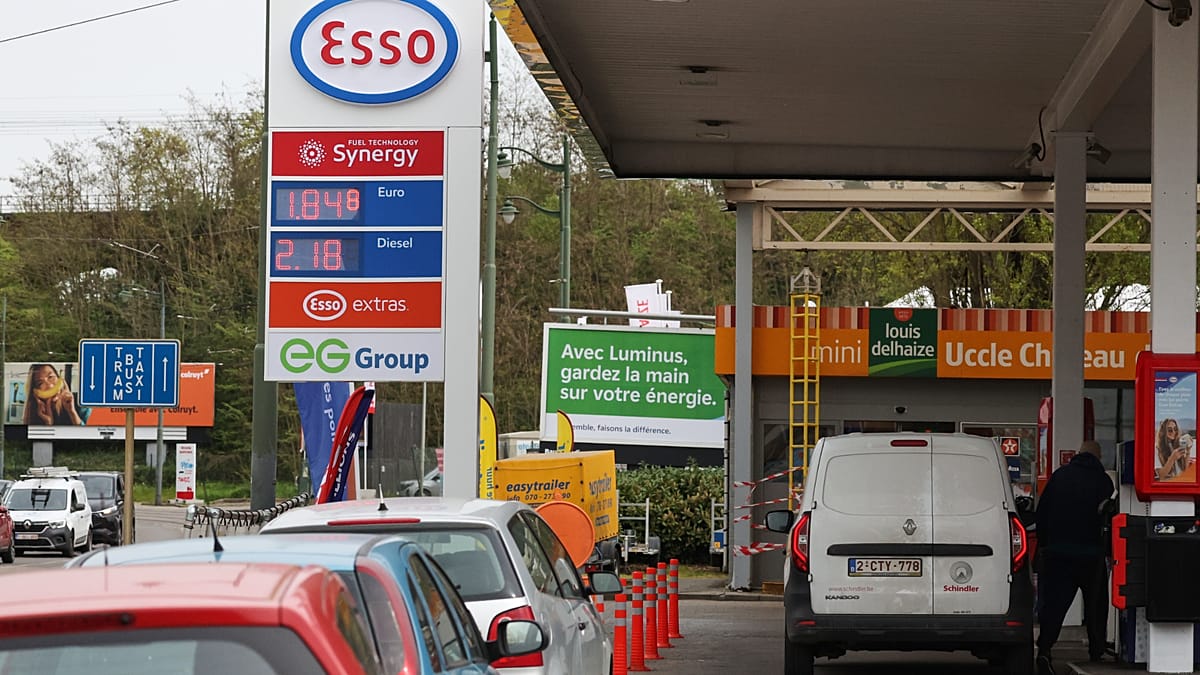
Hopes for sustained relief at European petrol pumps have evaporated after a brief price drop last week proved fleeting. Renewed tensions between the United States and Iran over the Strait of Hormuz have sent crude oil prices surging, with immediate consequences for petrol and diesel costs across the continent.
US benchmark crude rose roughly 10% from its Friday low to around $87 a barrel, while Brent crude, the international standard, climbed 9.5% to approximately $94.3 a barrel. The reversal came after what initially appeared to be a diplomatic breakthrough on the critical shipping route unravelled over the weekend.
The European Commission’s latest Weekly Oil Prices Bulletin, released before the recent developments, showed the average price of Euro-super 95 petrol at €1.853 per litre in the EU, with diesel at €2.099 per litre. Both figures, which include taxes, were slightly down from the previous week. However, following attacks on multiple vessels in the Strait of Hormuz on Saturday and dozens of ships turning back, analysts now expect prices to rise again.
False Dawn for Drivers
In the United Kingdom, Edmund King, President of the Automobile Association, described the brief price reduction as a “false dawn.” “For the first time in this conflict, we saw a slight price reduction at the pumps late last week, but that seems to be a false dawn. Global uncertainty seems likely to stop the fall in prices and if it drags on then prices will rise again,” King said.
The disruption is also raising serious concerns about jet fuel supplies. Fatih Birol, executive director of the International Energy Agency, warned last week that Europe has “maybe six weeks or so of jet fuel left.” This adds pressure on airlines and could lead to higher ticket prices or reduced flight schedules across European hubs like Frankfurt, Paris-Charles de Gaulle, and Amsterdam Schiphol.
The volatility underscores Europe’s continued dependence on fossil fuel imports, even as the continent accelerates its transition to renewables. A recent report showed that renewables slashed European electricity prices by 25%, but transport fuels remain vulnerable to geopolitical shocks.
Diplomatic Whiplash
On Friday, Iran’s Foreign Minister Abbas Araghchi declared that the Strait of Hormuz would stay “completely open” to commercial vessels for the remainder of the current ceasefire period. US President Donald Trump promptly backed the statement on social media, describing the waterway as “fully open and ready for business.” Benchmark prices reacted by falling more than 10%.
Less than 24 hours later, the situation deteriorated. Iran shifted its rhetoric, with officials highlighting what they called excessive US demands in any potential deal. Reports also emerged of Iranian forces not taking their cue from the Foreign Minister, raising questions about internal coordination and uncertainty over who is leading maritime policy.
US representatives, including special envoy Steve Witkoff and senior adviser Jared Kushner, are en route to Islamabad on Monday for renewed efforts to secure an agreement, according to White House announcements. This follows the first round of talks in Pakistan that concluded without a breakthrough earlier in the month.
The instability has also driven a surge in European defence orders, with companies like Thales reporting a 75% increase in defence orders amid global tensions. Meanwhile, the crisis is prompting European nations to explore alternative trade routes, as seen at the Antalya Diplomacy Forum in Turkey, where middle powers discussed new corridors to bypass the Strait of Hormuz.
For European consumers, the immediate outlook is for higher costs at the pump, with no clear end in sight to the diplomatic standoff. The situation also provides a fresh impetus for the shift to electric vehicles, with EU electric vehicle sales surging nearly 50% in March as fuel prices climbed.