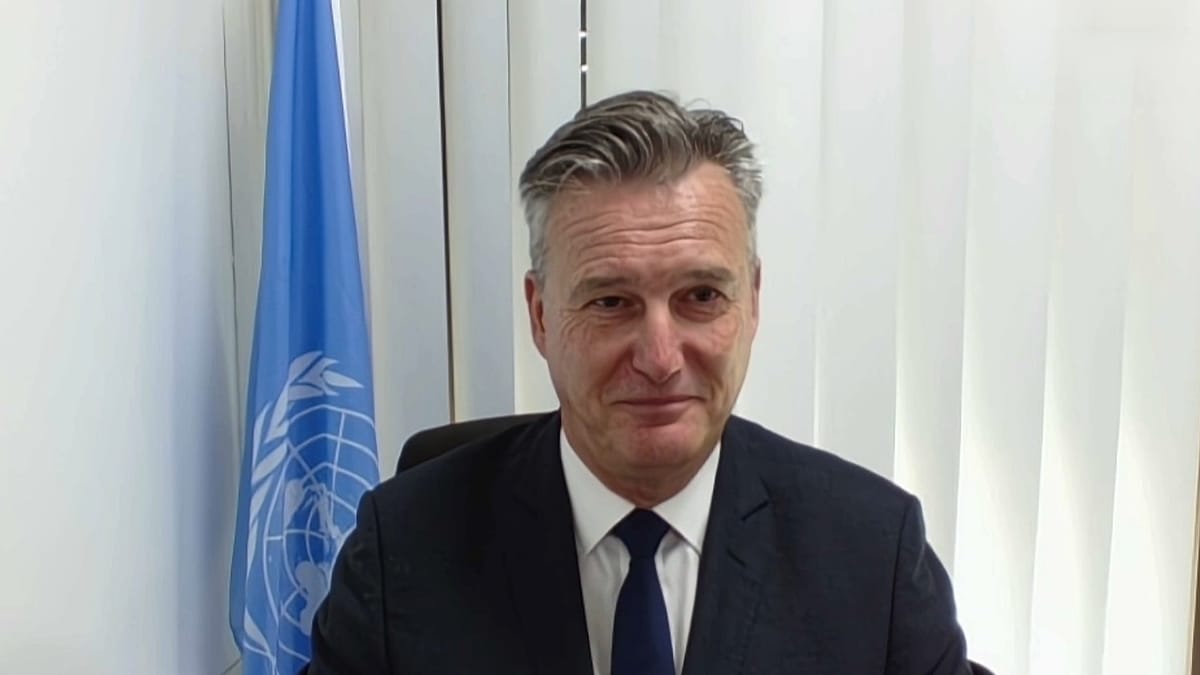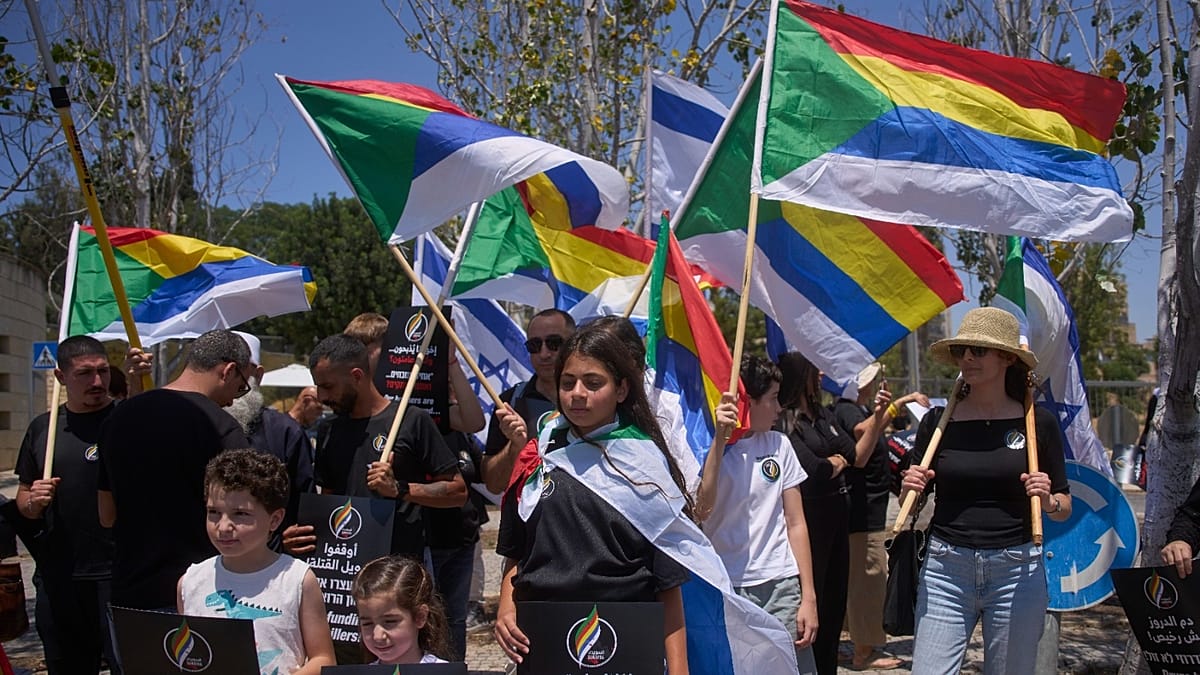
The spiritual leader of Syria's Druze community has made a dramatic declaration that could reshape the country's fragile post-war order. At a gathering in Suwayda on Monday, Hikmat al-Hijri described the Druze as "an integral part of the State of Israel," praising Israel's model of state-building and citing shared doctrinal "common denominators."
Al-Hijri, one of Syria's three Sheikh al-Aql and the most influential Druze figure in the country, told attendees that the region's inhabitants shared a common fate and that the current period would require sacrifices to achieve stability. His remarks were met with sharp reactions across the region and have deepened tensions between Suwayda province and the central government in Damascus.
A community at a crossroads
The Druze are a monotheistic faith that emerged in the 11th century as an offshoot of Ismaili Islam and is now widely regarded as a distinct religion. There are roughly one million Druze worldwide, with the largest concentration in Suwayda province and the surrounding Jabal al-Arab region in southwestern Syria. Smaller communities exist in Lebanon and Israel.
In Israel, the Druze hold a unique status: unlike other Arab citizens, they are subject to mandatory military service and have traditionally served in the Israeli Defence Forces. Al-Hijri's comments appear to draw on that model, linking his vision for Suwayda's future to the establishment of a "civil state" that guarantees the rights of all communities without discrimination.
He hinted at developments in the province that could be announced "within days," without providing further details. Sources close to al-Hijri denied any direct negotiations with Damascus were underway, while acknowledging US mediation efforts focused on specific issues, particularly the fate of detainees held by both sides.
Pushback against al-Sharaa
Since the fall of Bashar al-Assad in December 2024, al-Hijri and allied forces in the predominantly Druze province have been pushing for autonomy and have resisted integration with the new Damascus government under President Ahmad al-Sharaa. Armed clashes between local factions and forces affiliated with the central government have broken out periodically. The province has refused to hand over weapons or accept Damascus-appointed security officials, making it one of al-Sharaa's most difficult governance challenges.
Al-Hijri has previously called for special administrative arrangements for Suwayda and floated the idea of the province coming under international protection or joining another state. He publicly thanked Israel for its military intervention during clashes in July 2025, when Israeli aircraft struck targets in Damascus and elsewhere in what Israel described as protection of Druze communities. Syria's government condemned those strikes as a violation of sovereignty.
Just days before al-Hijri's remarks, a Syrian-Israeli meeting in Jordan was brokered by the United States, aimed at de-escalating tensions and discussing security arrangements in southern Syria. That meeting, along with al-Hijri's latest statement, underscores the shifting alliances in a region where the old certainties of the Assad era have collapsed.
Al-Hijri is the most influential Druze leader in Suwayda, but his position does not represent all Syrian Druze. Some have rejected calls to associate the community or Jabal al-Arab with Israel, and the broader implications of his declaration remain unclear. What is certain is that the Druze province has become a focal point in the struggle for Syria's future, with external powers watching closely.
For European observers, the developments in Suwayda are a reminder of the complex sectarian dynamics that continue to shape the Middle East. As Syria slowly reopens to the world—evidenced by Damascus's return to global banking and its removal from the US terror list—the question of how minority communities are integrated into the new order remains unresolved. The recent dissolution of the Kurdish-led SDF into the national army offers one model, but the Druze path appears to be heading in a different direction.