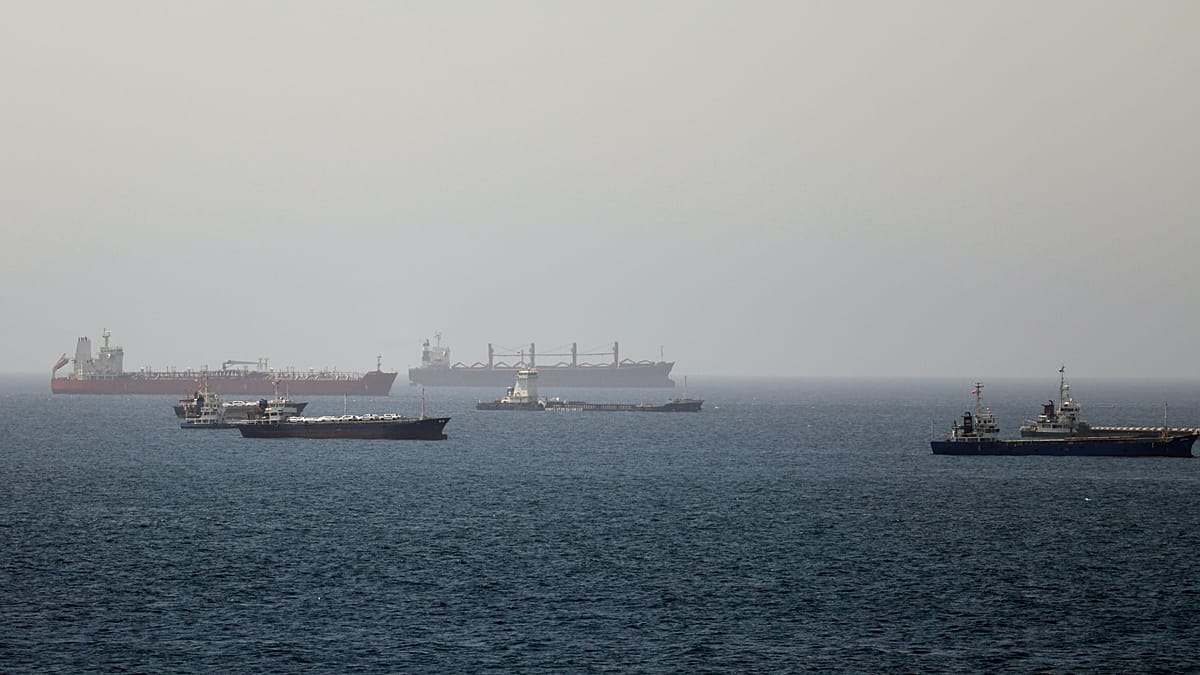
A tanker traveling south through the Strait of Hormuz was hit by an unknown projectile early Tuesday morning, sparking a fire on the port side, the United Kingdom Maritime Trade Operations (UKMTO) reported. The vessel was near Limah, Oman, when the strike occurred, and authorities confirmed no environmental damage from the incident. The UKMTO said it is investigating the attack.
Iranian state television later reported that a liquefied natural gas tanker had been targeted after it ignored warnings, citing anonymous sources. The broadcast implied that Tehran was responsible for the assault on the vessel, which it claimed was carrying natural gas from Qatar. However, no official claim of responsibility has been issued by the Islamic Republic.
Iran's Escalating Demands in the Strait
The attack comes just days after Iran's joint military command issued a stark warning on Thursday, stating that all oil tankers transiting the Strait of Hormuz must use routes approved by Tehran. The statement declared that any deviation from these designated paths or disregard for Iran's navigation protocols would trigger an immediate and forceful response, endangering the security of the violating vessels. It also cautioned that interference by US forces in the strait would be met with a rapid and decisive reaction.
This marks a significant shift in the longstanding norms governing the waterway, through which about a fifth of the world's oil passes. Iran and the United States had previously agreed, as part of an interim deal, to allow ships to pass without charges for 60 days. But Tehran has since insisted on controlling vessel routes and imposing fees, upending decades of practice. The US and many Gulf Arab states have rejected any Iranian right to charge for passage.
The tensions have already sparked broader regional instability. An earlier effort by Oman and a United Nations agency to establish a new route near Oman's shore led to attacks across the Middle East, highlighting the fragile security situation. For European readers, the Strait of Hormuz remains a critical chokepoint for energy supplies, and any disruption directly impacts fuel prices and economic stability across the continent.
European nations, including France and Germany, have long advocated for diplomatic solutions to de-escalate tensions in the region. The latest incident underscores the urgency of these efforts, as talks in Doha have shown only modest progress. Meanwhile, US envoys have been shuttling between Qatar and other capitals to broker a more stable arrangement.
The UKMTO has already raised the threat level in the strait, and the international community is watching closely. For now, the tanker fire has been contained, but the broader confrontation over navigation rights shows no sign of abating.