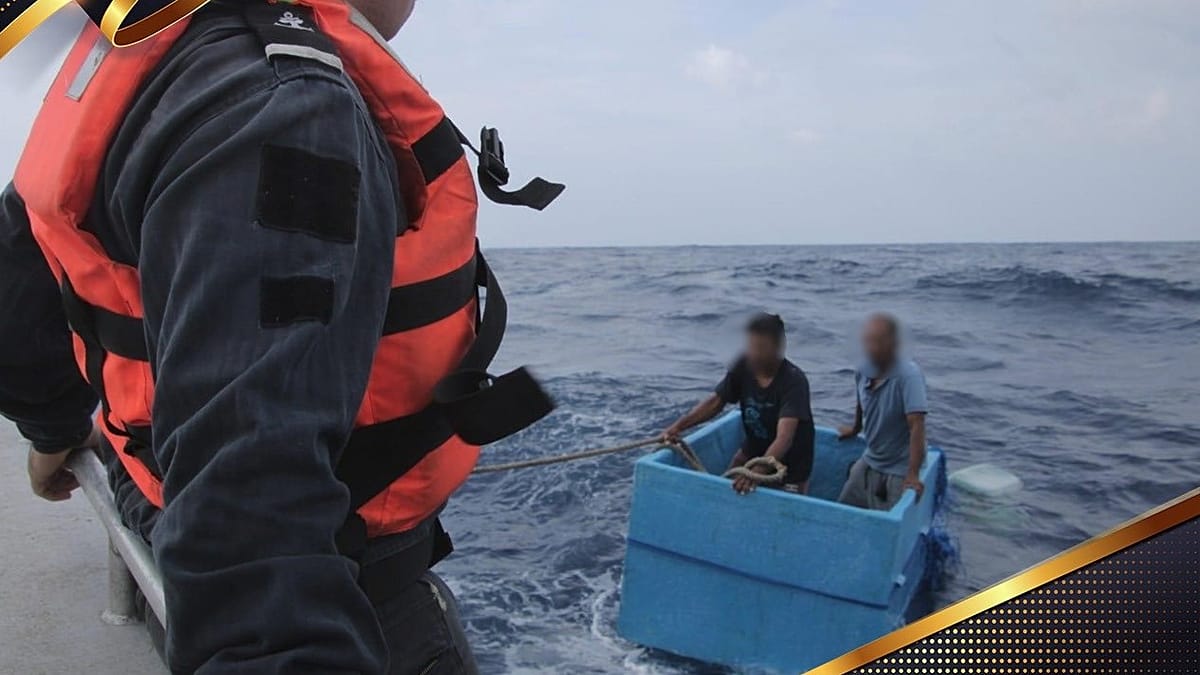
Mexico's navy has rescued a group of 15 Cuban migrants, including four minors, who had been missing at sea for nearly a week. The group departed from the western Cuban province of Pinar del Río on 11 August and had not been heard from since, prompting fears for their safety as reports emerged that they were running low on supplies.
A navy source confirmed the rescue, stating simply: "We rescued the Cubans." The passengers were found alive, though details of their condition have not been fully disclosed. A Cuban man living in Mexico, whose two children were among those on the boat with their mother, told Univision on Monday that the vessel was critically short of fuel.
The incident underscores the perilous journeys that many Cubans undertake in hopes of reaching the United States or Mexico. For decades, migrants have risked their lives in makeshift boats to cross the treacherous Florida Straits or navigate the Caribbean Sea. These voyages frequently end in tragedy, with hundreds of migrants drowning over the past decade or being intercepted and returned by coastguards.
A worsening humanitarian crisis
The timing of this rescue is particularly poignant. Since Washington imposed an energy blockade on Cuba in January, living conditions on the island have deteriorated sharply. Most areas now receive only a few hours of electricity per day, while food, water, and medicine are in critically short supply. The combination of economic hardship and political repression continues to drive many Cubans to take extraordinary risks to leave.
This latest rescue comes amid broader migration pressures across the region. In Europe, similar stories of perilous sea crossings have become all too familiar. Just last month, a record 230 migrants crossed the English Channel in a single boat, according to French rescuers. The Mediterranean route, too, remains deadly, with thousands of lives lost each year.
While the Cuban migrants were rescued by Mexican authorities, their fate remains uncertain. Many who reach Mexico eventually attempt to continue northward to the US border, where they may face detention or deportation. Others may seek asylum in Mexico, though the country's own migration system is stretched thin.
The rescue also highlights the broader challenges of migration governance in the Americas, which echo those faced by European nations. In Spain's North African enclave of Ceuta, authorities have recently been moving migrants from beach camps to temporary shelters after a surge in border crossings. The situation there has prompted the mayor to urge the EU to deport migrants more swiftly, reflecting the contentious politics surrounding migration across the continent.
For the 15 Cubans rescued this week, their ordeal at sea is over, but the challenges they face are far from resolved. As they recover from their harrowing experience, their case serves as a stark reminder of the lengths people will go to in search of safety and opportunity.
The Mexican navy's swift response was crucial in saving lives, but it also raises questions about the adequacy of search-and-rescue operations in the region. With more migrants likely to attempt similar crossings, the need for coordinated international efforts to prevent such tragedies has never been more urgent.
In Europe, migration remains a divisive issue, with member states struggling to agree on a common asylum policy. The recent relocation of migrants from Ceuta to shelters in Spain shows how national responses can vary, while the record Channel crossing highlights the ongoing pressure on border states. These parallel crises on both sides of the Atlantic underscore the global nature of migration and the need for humane, coordinated solutions.