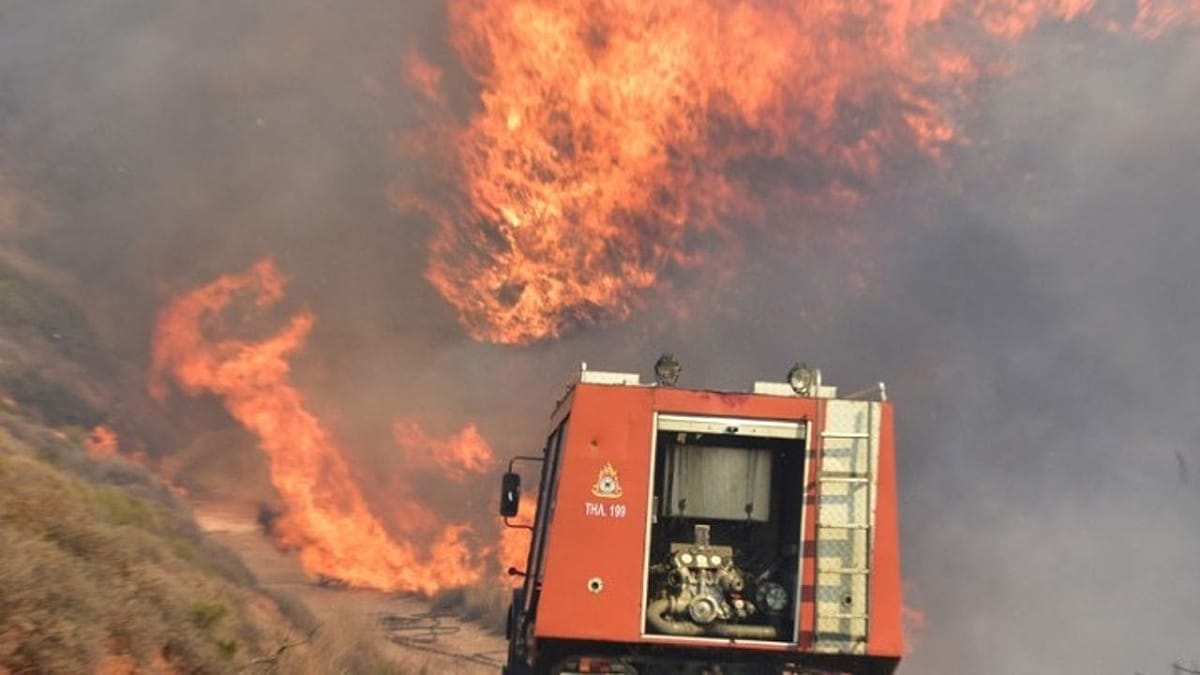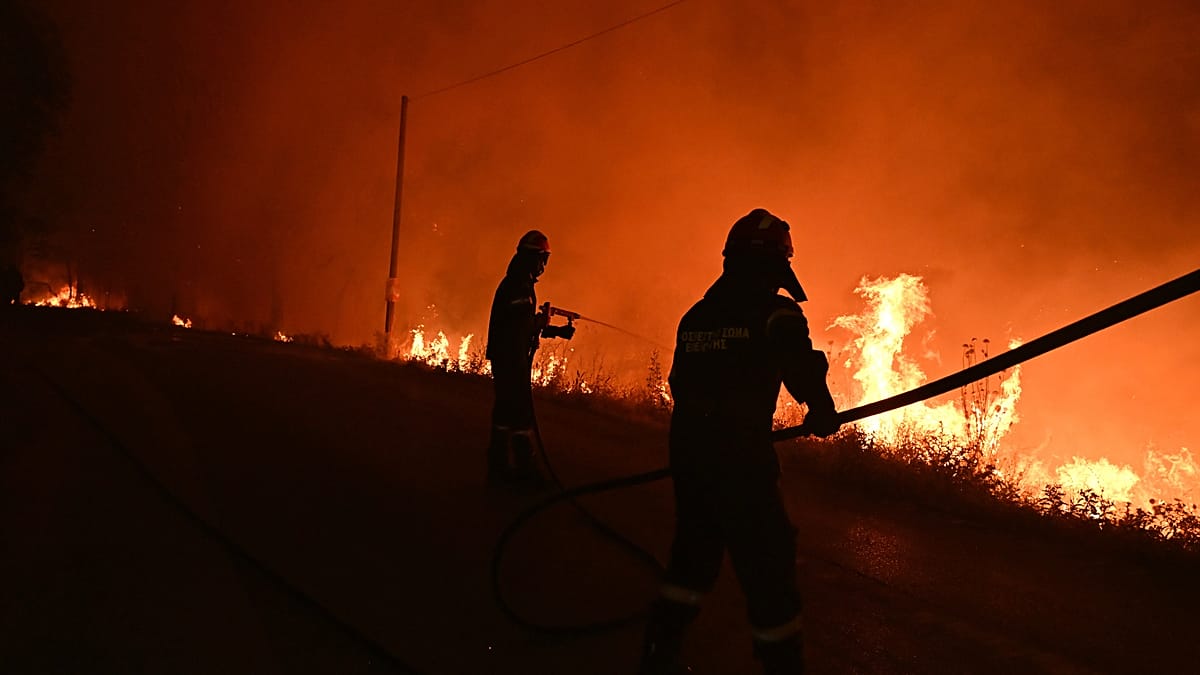
Three firefighters lost their lives on Wednesday while battling a wildfire near Rethymno on the island of Crete, as gale-force winds fanned multiple new blazes across Greece. The fire service confirmed the deaths in a statement, saying the men 'fell heroically in the line of duty, safeguarding the lives and property of citizens as well as the natural environment.' The service's leadership expressed 'profound sorrow and sincere condolences to the families and loved ones of the deceased.'
Firefighting efforts and challenging conditions
A total of 156 firefighters are now engaged in containing the blaze, which ignited near Rethymno around midday. They are supported by eight ground teams, 33 fire engines, four helicopters, and four aircraft conducting periodic aerial water drops. The municipality of Agios Vasileios has also deployed water tankers and heavy machinery to assist operations.
Strong winds, gusting at force 7 on the Beaufort scale, have accelerated the fire's spread and made conditions on the ground extremely hazardous. Such winds are notoriously difficult for firefighting aircraft and ground crews alike, as they can shift the fire's direction unpredictably.
This tragedy underscores the growing danger of wildfires across southern Europe, a trend linked to hotter, drier summers. As sixth-generation wildfires become more frequent, fire services are struggling to adapt to blazes that move faster and burn with greater intensity.
Evacuations and tourist safety
Authorities issued a 112 emergency alert ordering the evacuation of Agia Galini, a coastal resort town, and the organised removal of foreign tourists. Michalis Christoforakis, a member of the Rethymno Hoteliers Association and a hotelier in Agia Galini, told the Athens-Macedonian News Agency that the fire was not visible from the settlement when the evacuation began. He said tourists and residents followed instructions calmly, heading towards Tympaki, and estimated that around 2,000 tourists were in the area. Local hotels remain in constant contact with authorities, assessing accommodation availability for evacuees if needed.
Earlier, the settlements of Krya Vrysi, Saktouria, Melampes, Agios Georgios, Agios Pavlos, and Triopetra were also evacuated. The coastguard, with help from private vessels, rescued 29 people from the sea off Agios Pavlos.
Evangelia Glampedaki, deputy mayor for culture of Agios Vasileios, described the situation as 'out of control' and said municipal services were on full alert. The municipality cancelled scheduled cultural events to prioritise safety and support firefighting operations.
The Rethymno Arson Crime Investigation Unit is now investigating the cause of the fire. As Europe grapples with more frequent and severe wildfires, some countries are exploring innovative solutions, such as using beavers as natural allies to create firebreaks and manage water flow.
This incident echoes other recent tragedies across the continent. In France, wildfires in Gironde disrupted tens of thousands of businesses and threatened the regional economy. The growing frequency of such events has prompted calls for better preparedness, as Europe's current systems are ill-equipped for a hotter, drier future.