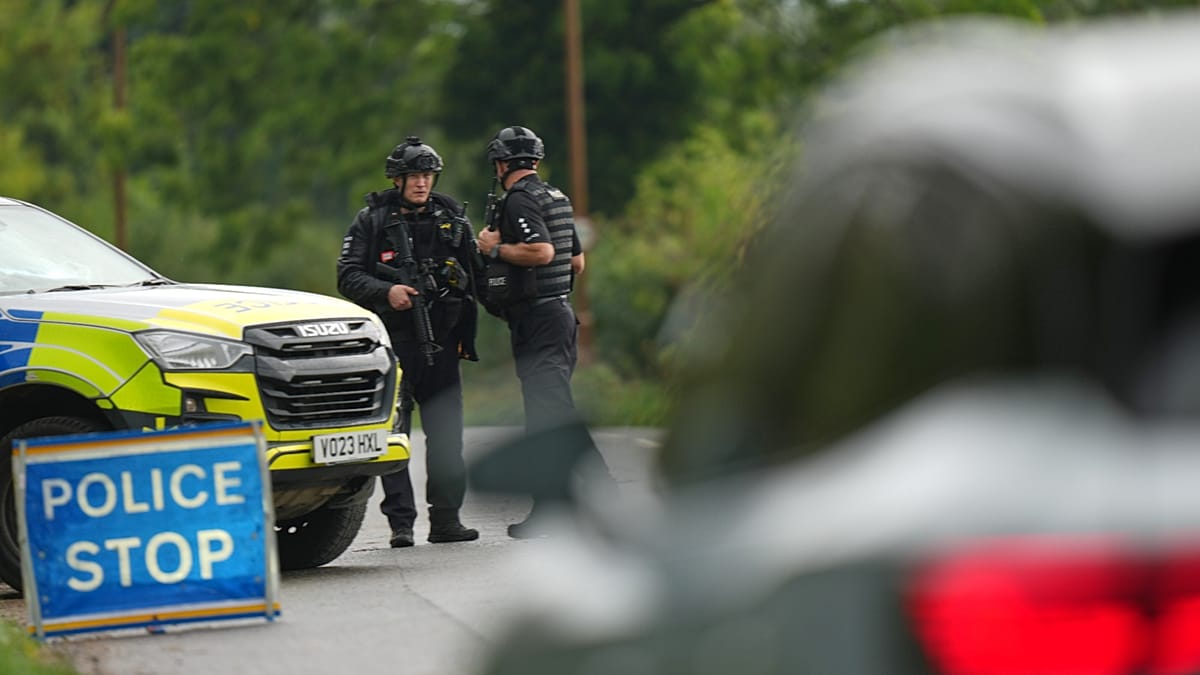
British counter-terrorism officers have arrested a 25-year-old man holding both UK and Iranian citizenship in central London, the latest development in an investigation that has drawn in the highest levels of government and strained the transatlantic security relationship. Two addresses in the capital were searched after the Thursday arrest, according to Counter Terrorism Policing.
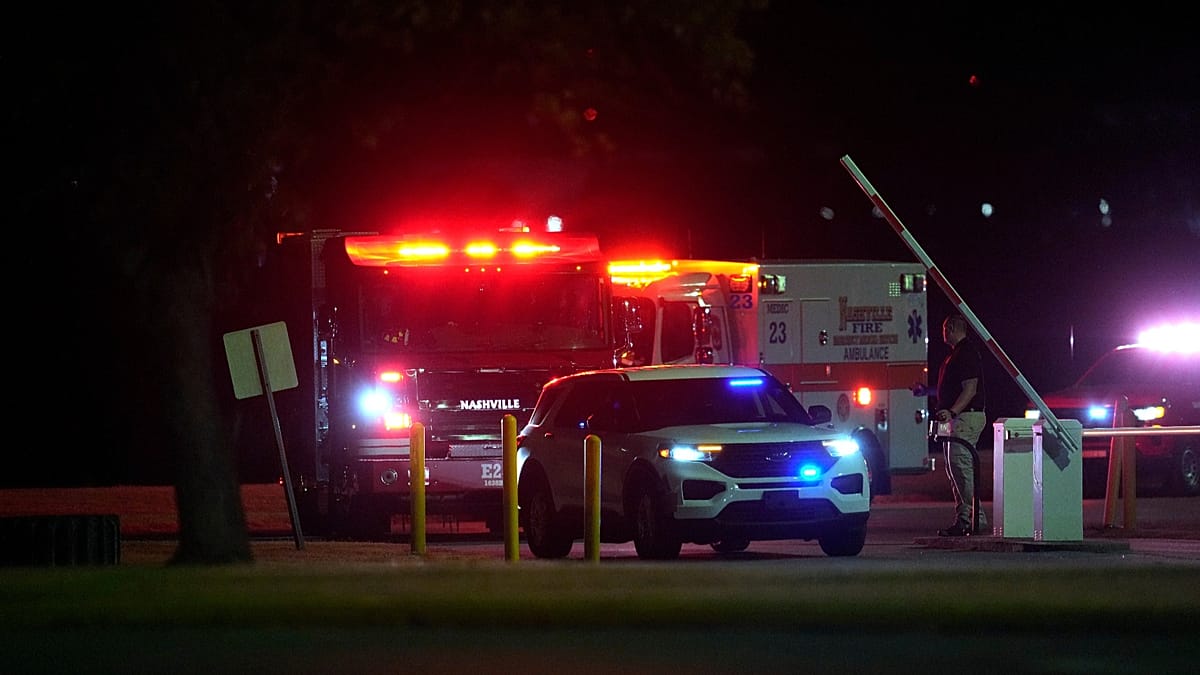
The case began in the early hours of Sunday, when armed officers and army bomb-disposal specialists descended on the countryside around RAF Fairford, a military airfield roughly 160 kilometres west of London. Five men, all British nationals in their twenties and all from London, were detained on suspicion of explosives and terrorism offences. Residents in nearby villages were evacuated as a precaution. Police later confirmed they had recovered a quantity of petrol from three vans linked to the suspects, but no explosive material. All five have since been released on bail.
Political pressure and a rare public intervention
The decision to grant bail has provoked unusually blunt criticism from Washington. President Donald Trump told reporters he was surprised by the releases, adding: “I wouldn’t have done that.” Secretary of State Marco Rubio said many people were “disturbed” by the move. Trump tempered his remarks with praise for the Metropolitan Police, saying he had “a lot of respect” for Scotland Yard and believed it knew what it was doing.
Prime Minister Andy Burnham has said the UK sees “strong indications” that Iran played a role, though he declined to set out what the suspects were allegedly planning or the intelligence behind that assessment. He insisted the investigation remains under “the strongest grip and the closest control,” and that British officials had spent the week briefing their American counterparts on how the case is being handled.
“As we’ve made clear, we’re looking at all possible angles, including possible foreign state involvement.” — Vicki Evans, senior national coordinator for counter terrorism policing
Vicki Evans, the senior national coordinator for counter terrorism policing, described the inquiry as “hugely complex,” with specialist teams “interrogating multiple lines of inquiry.”
Tehran denies any involvement. It has previously stated that it regards any base used to launch attacks on its territory as a legitimate target. RAF Fairford has hosted American bombers across decades of Middle Eastern conflicts, including this year’s war with Iran.
A wider pattern of hostile-state activity
The arrests land at a moment of heightened anxiety across Europe about operations mounted by hostile states. British security services have said both Russia and Iran have used proxies to carry out crimes on UK soil. Officials report that the number of national security cases involving hostile-state activity rose by 50% in the six months to December 2025.
UK authorities have linked Iranian proxies to a series of arson attacks and other incidents in Britain and elsewhere, many targeting Jewish communities and designed to spread fear. The pattern echoes concerns raised at gatherings such as the Baku security forum, where cross-border threats featured prominently on the agenda.
European capitals have been grappling with similar questions. In Denmark, authorities have had to revise their account of a 2025 drone incident at Skrydstrup, underlining how difficult it can be to attribute and respond to hybrid attacks. Kyiv’s intelligence chief has warned against building a European security order without Washington, a caution that resonates as London and its allies coordinate on this case.
For now, the investigation continues on both sides of the Atlantic. The coming weeks will determine whether the Fairford episode is treated as a foiled plot with a foreign hand, or as something more ambiguous — and whether the bail decision becomes a lasting irritant in UK-US relations.